Shandong HeadPowder Engineering Co., Ltd., a leading enterprise in the field of industrial processing equipment, specializes in the design, manufacturing, and application of advanced pneumatic conveying systems. With a focus on innovation and precision, the company has developed the bioenzyme pneumatic conveying system, a cutting-edge solution tailored for the efficient and hygienic handling of bioenzyme powders and related materials. This article delves into the fundamental principles underlying this system, highlighting its technical features, operational advantages, and practical applications in various industrial sectors.
Overview of Bioenzyme Pneumatic Conveying Systems
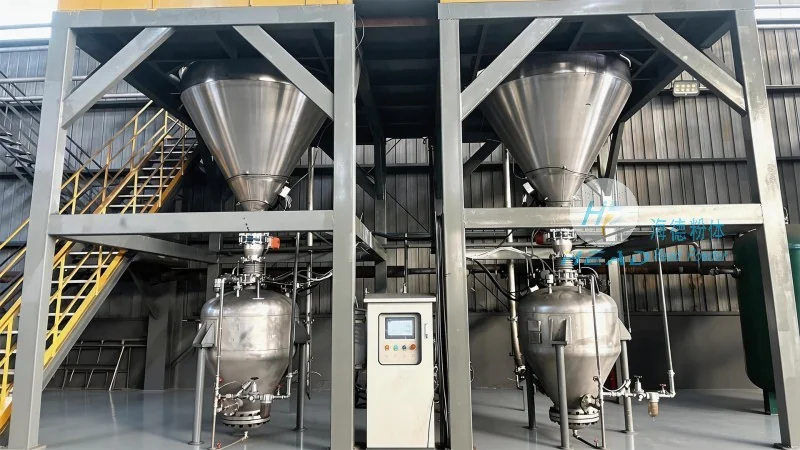
A bioenzyme pneumatic conveying system is a specialized type of pneumatic transport technology designed to move bioenzyme powders and other fine particulate materials through a pipeline using compressed air or other gas streams. Unlike traditional mechanical conveying methods, which may introduce contamination or damage to sensitive bioenzyme products, this system leverages the principles of fluid dynamics and particle flow to ensure gentle, controlled, and hygienic material transport. The system typically consists of several key components, including a hopper for material storage, a feeder to control the flow rate, a conveying line with appropriate ducting, and a receiver for material discharge. Each component is engineered to maintain the integrity and purity of the bioenzyme product throughout the conveying process.
Core Principles of Pneumatic Conveying
The fundamental principle of pneumatic conveying is the use of a gas stream to create a pressure differential that propels particles through a pipeline. In the case of bioenzyme systems, this is achieved by introducing compressed air or a suitable inert gas into the conveying line, which generates a flow that entrains the bioenzyme particles. The system operates on the basis of two primary modes: dilute-phase and dense-phase conveying. Dilute-phase conveying involves a low concentration of particles in the gas stream, typically used for long-distance or high-speed transport, while dense-phase conveying maintains a higher particle concentration, ensuring gentler handling and reduced product degradation. The choice between these modes depends on the specific characteristics of the bioenzyme material, such as particle size, moisture content, and sensitivity to shear forces.
Key Components and Their Functions
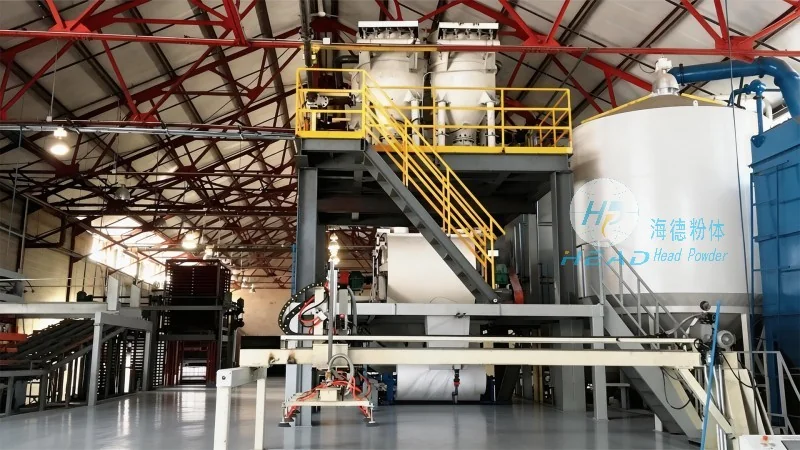
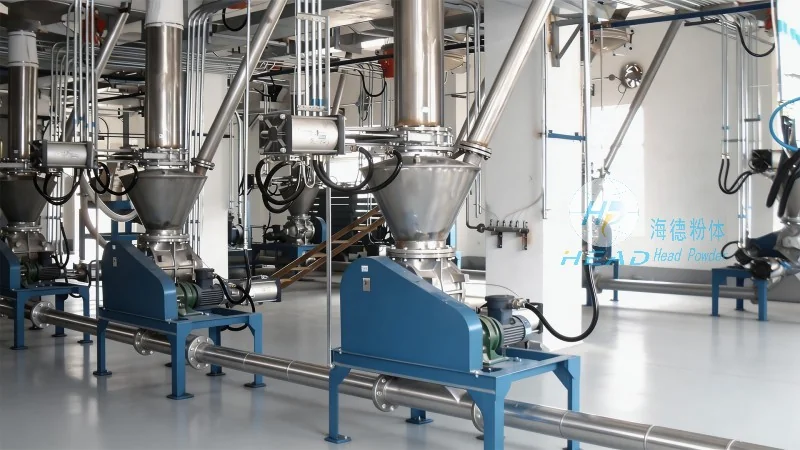
The bioenzyme pneumatic conveying system incorporates several critical components that work in concert to ensure efficient and reliable operation. The hopper serves as the primary storage vessel, designed with smooth, non-stick surfaces to prevent material buildup and contamination. It is equipped with a level indicator and a discharge valve to regulate the flow of material into the feeder. The feeder, often a rotary valve or a screw feeder, controls the precise flow rate of the bioenzyme powder, preventing overloading or underloading of the conveying line. This component is crucial for maintaining consistent pressure and flow within the system. The conveying line itself is constructed from materials such as stainless steel or food-grade plastic, ensuring compatibility with bioenzyme products and compliance with hygiene standards. The line includes bends, elbows, and straight sections, all designed to minimize pressure loss and maintain the integrity of the particle-gas mixture. The receiver, typically a hopper or a storage tank, collects the conveyed bioenzyme material and is equipped with a discharge valve for downstream processing. Additionally, the system may include a filter or a cyclone separator to remove any entrained particles from the exhaust gas, ensuring environmental compliance and product purity.
Advantages of Bioenzyme Pneumatic Conveying Systems
Compared to traditional mechanical conveying methods, the bioenzyme pneumatic conveying system offers several significant advantages that make it ideal for handling sensitive bioenzyme products. First, it provides a hygienic and contamination-free environment, as the entire system is enclosed and sealed, preventing exposure to external contaminants. This is particularly important for bioenzyme powders, which are often used in pharmaceutical, food, and biotechnology applications where product purity is paramount. Second, the system offers gentle handling, minimizing shear forces and particle attrition, which helps preserve the biological activity and structural integrity of the bioenzyme. This is critical for maintaining the efficacy of the product, as excessive mechanical stress can degrade the enzyme's functionality. Third, the system allows for flexible and scalable operation, with the ability to adjust flow rates and conveying distances to meet varying production demands. This adaptability makes it suitable for both small-scale laboratory applications and large-scale industrial production lines. Fourth, the system is energy-efficient, as it utilizes compressed air, which can be sourced from existing industrial air systems, reducing operational costs and environmental impact. Finally, the system provides real-time monitoring and control capabilities, allowing operators to track material flow, pressure, and temperature, ensuring optimal performance and early detection of any issues.
Applications in Industrial Sectors
The bioenzyme pneumatic conveying system finds widespread application in various industrial sectors where the handling of bioenzyme powders is essential. In the pharmaceutical industry, it is used to transport enzymes used in drug synthesis, ensuring that the final product remains pure and effective. In the food industry, it is employed to convey enzymes used in food processing, such as those for cheese production or bread making, maintaining the quality and safety of the end products. The biotechnology sector also benefits from this system, as it is used to transport enzymes used in fermentation processes, ensuring consistent and reliable production of bio-based products. Additionally, the system is utilized in the chemical industry for the handling of enzyme-based catalysts, and in the agricultural sector for the application of bioenzyme fertilizers. The versatility of the system makes it suitable for a wide range of applications, from small-scale laboratory research to large-scale industrial production.
Maintenance and Operational Considerations
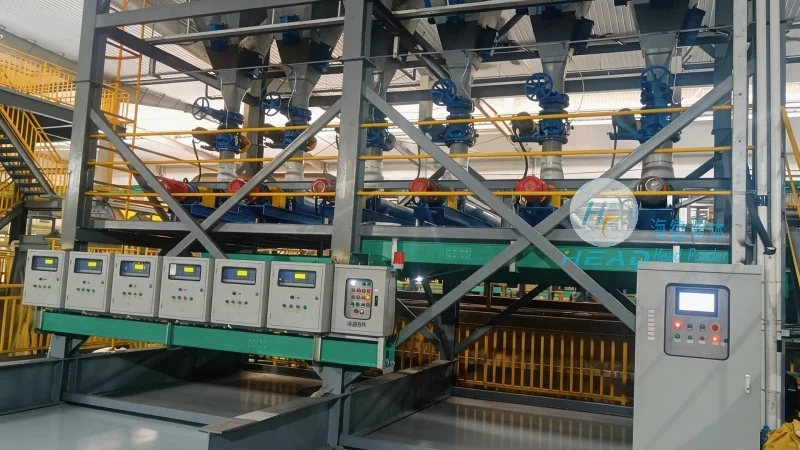
To ensure the long-term reliability and performance of the bioenzyme pneumatic conveying system, regular maintenance and proper operational practices are essential. The system should be inspected regularly for any signs of wear or damage, particularly in components such as the feeder, conveying line, and receiver. The hopper and feeder should be cleaned thoroughly after each use to prevent material buildup and cross-contamination. The compressed air system should be filtered and dried to remove moisture and particulate matter, which can affect the performance of the conveying line and damage the bioenzyme product. The filter or cyclone separator should be checked and replaced as needed to maintain proper exhaust gas quality. Additionally, operators should follow the manufacturer's guidelines for operating parameters, such as pressure and flow rate, to prevent overloading or underloading of the system. Proper training of personnel on the system's operation and maintenance is also crucial for ensuring safe and efficient operation. By adhering to these practices, the system can provide consistent and reliable performance, minimizing downtime and maximizing productivity.
Conclusion
Shandong HeadPowder Engineering Co., Ltd. has developed a sophisticated bioenzyme pneumatic conveying system that leverages advanced principles of fluid dynamics and particle handling to provide a hygienic, efficient, and gentle method for transporting bioenzyme powders. The system's design, incorporating key components such as the hopper, feeder, conveying line, and receiver, ensures that the bioenzyme product remains pure and intact throughout the conveying process. With its advantages in hygiene, product preservation, flexibility, and energy efficiency, the system is an ideal solution for various industrial applications. By following proper maintenance and operational guidelines, the system can deliver consistent performance and contribute to the success of industrial processes that rely on bioenzyme products. As a leader in industrial processing equipment, Shandong HeadPowder Engineering Co., Ltd. continues to innovate and provide solutions that meet the evolving needs of the industry.




