Understanding the fundamental principles of pneumatic conveying systems is crucial for industries dealing with bulk materials like PVC pellets. Pneumatic conveying, also known as pneumatic transport, involves the movement of solid particles through a pipeline using a gas stream, typically air or a mixture of air and other gases. This method offers a flexible and efficient solution for transporting PVC pellets, which are commonly used in manufacturing processes for plastics and related products. The technology has evolved significantly over the years, with modern systems incorporating advanced control mechanisms and materials to enhance performance and reliability.
Types of Pneumatic Conveying Systems for PVC Pellets
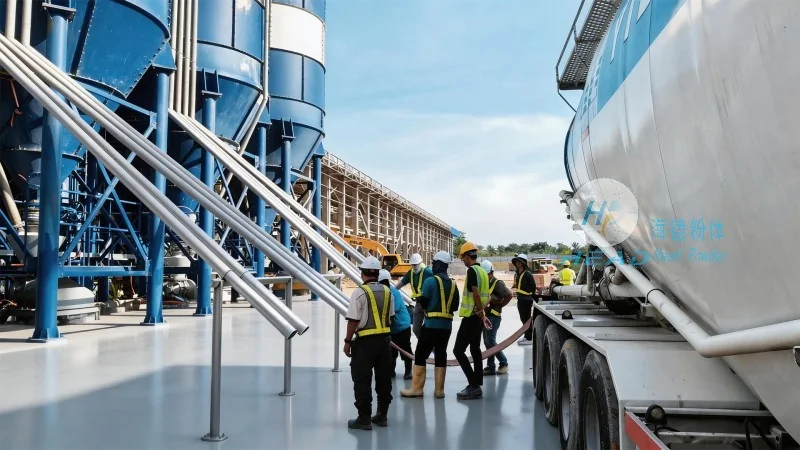
There are two primary types of pneumatic conveying systems used for PVC pellet transport: positive pressure and negative pressure systems. Positive pressure systems operate by generating a high-pressure air stream that pushes the material through the conveying line from the source to the destination. This type of system is often preferred for PVC pellets due to its ability to handle longer distances and higher material loads. Negative pressure systems, on the other hand, use a vacuum to draw material from the source into the conveying line and transport it to the receiver. While effective for certain applications, negative pressure systems may not be as suitable for PVC pellets due to the risk of dust accumulation and material degradation.
Key Components and Working Principle
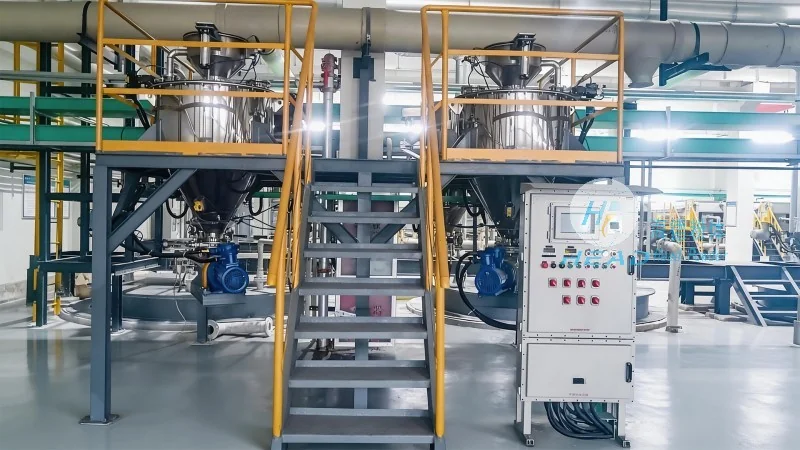
The operation of a PVC pellet pneumatic conveying system relies on several key components that work in tandem to ensure effective material transport. The primary components include a conveying line, a blower or compressor to generate the air flow, a hopper or feeder to introduce the PVC pellets into the system, and a receiver or discharge unit to collect the material at the destination. The system operates by drawing air through the conveying line and into the hopper, where the PVC pellets are introduced. The air flow then lifts and transports the pellets through the pipeline to the receiver. The velocity of the air and the design of the conveying line are critical factors that determine the efficiency and capacity of the system. For PVC pellets, the air velocity is typically maintained between 20 to 30 meters per second to ensure proper suspension and transport without causing excessive wear on the system components.
Advantages of Using Pneumatic Conveying for PVC Pellets
Compared to traditional mechanical conveying methods, pneumatic conveying offers several advantages when handling PVC pellets. One of the most significant benefits is the ability to transport materials over long distances without the need for multiple transfer points or complex machinery. This reduces the risk of material contamination and improves overall system reliability. Additionally, pneumatic systems can handle a wide range of particle sizes and shapes, making them suitable for various PVC pellet applications. The flexibility of pneumatic conveying also allows for easy integration with existing production lines, minimizing downtime during installation and operation. Another key advantage is the reduced need for manual handling, which enhances workplace safety and reduces labor costs. Furthermore, pneumatic systems can be designed to operate in a closed loop, minimizing dust emissions and improving environmental compliance.
System Design Considerations for PVC Pellet Transport
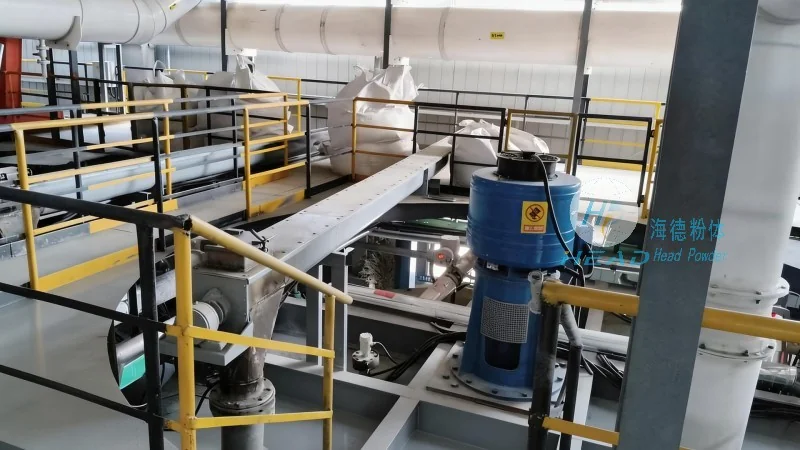
When designing a PVC pellet pneumatic conveying system, several factors must be carefully considered to optimize performance and ensure longevity. The first consideration is the material properties of the PVC pellets, such as their density, moisture content, and particle size distribution. These properties affect the air velocity required for effective transport and the potential for material degradation during handling. For example, PVC pellets with higher moisture content may require higher air temperatures to prevent clumping or degradation. The system's layout, including the length and diameter of the conveying line, also plays a critical role in determining the required air pressure and power consumption. The diameter of the line is typically determined based on the material flow rate and the air velocity, with larger diameters required for higher flow rates. Additionally, the choice of blower or compressor type, whether positive displacement or centrifugal, impacts the system's efficiency and cost. Positive displacement blowers are often preferred for PVC pellet systems due to their ability to maintain consistent air pressure and flow rates, even under varying load conditions. Proper maintenance and cleaning of the conveying line and components are essential to prevent blockages and ensure consistent performance over time. Regular inspection of the hopper, feeder, and receiver is also necessary to detect any signs of wear or damage that could affect system efficiency.




