Caustic soda, also known as sodium hydroxide (NaOH), is a highly caustic and corrosive chemical widely used in various industrial processes, including chemical manufacturing, paper production, and water treatment. The safe and efficient handling of caustic soda is critical due to its hazardous nature. Pneumatic conveying systems have emerged as a reliable method for transporting caustic soda from storage to processing units, offering advantages such as minimal contamination, reduced labor costs, and improved safety compared to traditional methods like bucket elevators or belt conveyors.
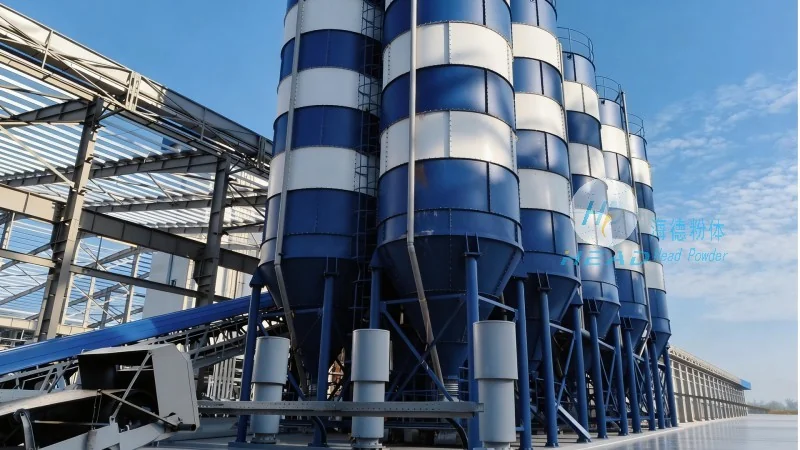
Understanding Caustic Soda Pneumatic Conveying Systems
A caustic soda pneumatic conveying system is a closed-loop system designed to transport solid caustic soda particles through a network of pipes using compressed air or other gases. The system typically consists of several key components, including a hopper for material storage, a rotary airlock valve to control material flow, a positive or negative pressure blower to generate the conveying air, and a series of pipes that direct the material to the destination point. The choice between positive and negative pressure systems depends on factors such as the distance to be covered, the material's properties, and the desired level of control over the conveying process.
Core Design Principles of Pneumatic Conveying Systems
The design of a caustic soda pneumatic conveying system is governed by several fundamental principles aimed at ensuring efficient and safe operation. One of the primary principles is the balance between the air velocity and the particle size and density. Proper air velocity is crucial to prevent particle settling or blockages in the pipes. The system must be designed to maintain a consistent air flow rate that can handle the specific characteristics of caustic soda, such as its high moisture content and potential for agglomeration. Additionally, the system incorporates features like pulse jets or rotary valves to maintain a smooth flow and prevent material buildup, which could lead to system failure or safety hazards.
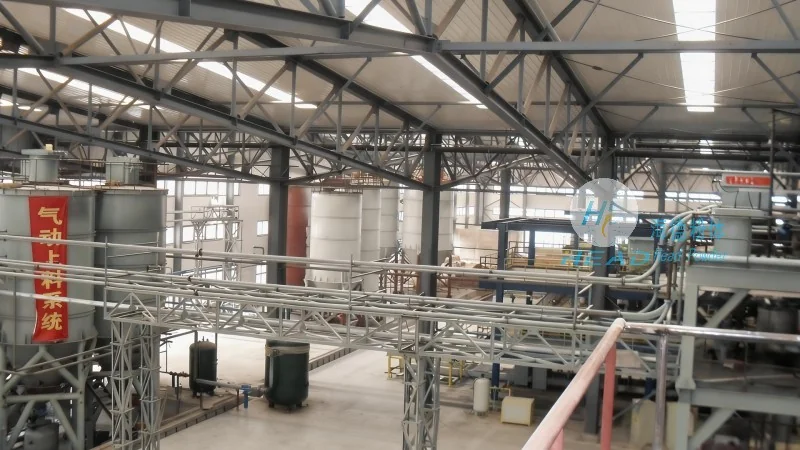
Components and Their Functions in the System
The effectiveness of a caustic soda pneumatic conveying system relies on the proper integration of its components. The hopper serves as the initial storage vessel, equipped with a level indicator to monitor the material inventory. The rotary airlock valve acts as a gate, regulating the flow of caustic soda into the conveying line and preventing backflow. The blower, either a positive displacement or centrifugal type, generates the necessary pressure or vacuum to move the material through the pipes. The piping network is constructed from materials resistant to caustic soda corrosion, such as stainless steel or specialized alloys, to ensure longevity and maintain product purity. The system may also include filters and cyclones to separate the material from the conveying air, ensuring that the air is clean and safe for release back into the environment.
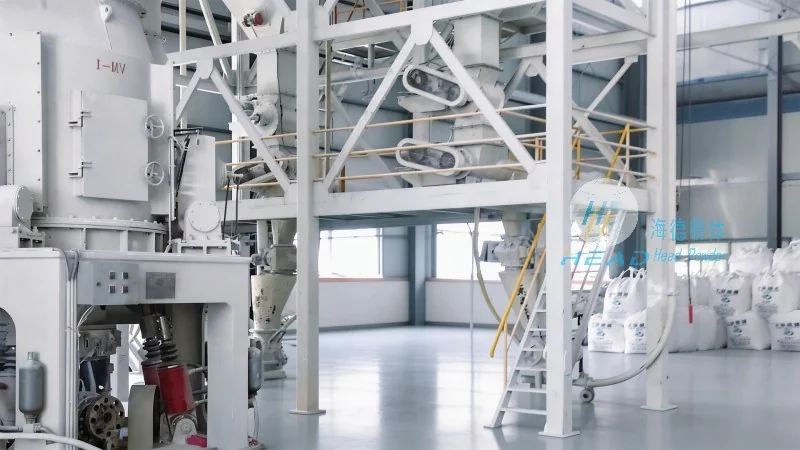
Advantages of Using Pneumatic Conveying for Caustic Soda
Implementing a pneumatic conveying system for caustic soda offers several advantages over traditional handling methods. First, it minimizes the risk of exposure to the hazardous chemical, as the material is contained within a closed system. This reduces the likelihood of spills, leaks, or inhalation of caustic soda dust, which can cause severe health issues. Second, the system eliminates the need for manual handling, reducing labor costs and improving workplace safety. Third, pneumatic conveying systems can handle caustic soda in various forms, including powders, granules, or slurry, making them versatile for different industrial applications. Finally, the closed-loop design ensures that the material remains uncontaminated, which is critical for maintaining product quality and meeting regulatory standards.
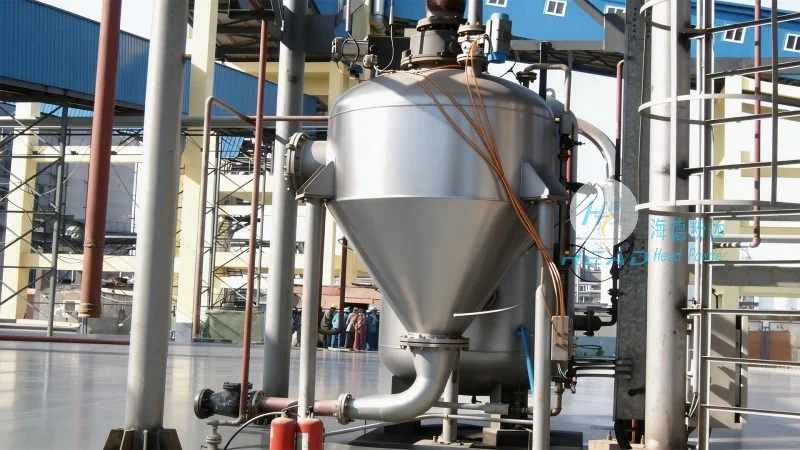
Application Examples and Industry Use Cases
Caustic soda pneumatic conveying systems are widely used in various industries where caustic soda is a key raw material. In the chemical manufacturing sector, these systems are employed to transport caustic soda from storage silos to reactors or neutralization units. In the paper industry, they are used to convey caustic soda to the pulping and bleaching processes, where it is used to break down lignin and improve paper quality. In water treatment facilities, pneumatic conveying systems help transport caustic soda for pH adjustment and chemical precipitation. The systems are also utilized in the production of soaps, detergents, and other consumer products that require caustic soda as an ingredient. Each application benefits from the system's ability to handle caustic soda efficiently and safely, ensuring consistent performance and compliance with industry standards.
HeadPowder: Your Trusted Partner for Caustic Soda Pneumatic Conveying Solutions
Shandong HeadPowder Engineering Co., Ltd., a leading provider of industrial engineering solutions, specializes in designing and manufacturing high-quality caustic soda pneumatic conveying systems. With years of experience in the chemical processing industry, HeadPowder understands the unique challenges associated with handling caustic soda and has developed advanced systems that meet the highest safety and efficiency standards. The company's team of engineers and technicians works closely with clients to assess their specific needs, from material characteristics to operational requirements, and designs customized solutions that optimize performance and reduce operational costs. HeadPowder's systems are built with durable materials and advanced control technologies, ensuring reliable and long-lasting operation. The company's commitment to quality and customer satisfaction has made it a trusted partner for businesses seeking to enhance their caustic soda handling processes. With a presence in China, HeadPowder serves clients globally, providing comprehensive support and after-sales service to ensure the successful implementation and maintenance of their pneumatic conveying systems.




