A dye pneumatic conveying system is a specialized industrial equipment designed to transport dye powders or granules through a pipeline using compressed air or other gas as the conveying medium. This method offers several advantages over traditional mechanical conveying systems, such as reduced material degradation, lower maintenance costs, and the ability to handle fine or abrasive powders efficiently. The system typically consists of a hopper, a feeder, a conveying line, and a receiver, all working in coordination to ensure smooth and reliable material transport.
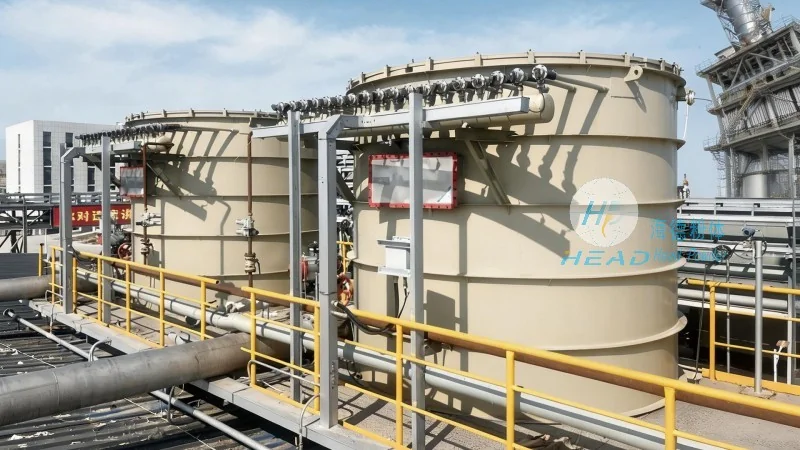
HeadPowder: A Leading Provider of Pneumatic Conveying Solutions
Shandong HeadPowder Engineering Co., Ltd., commonly known as HeadPowder, is a reputable company based in Shandong, China, specializing in the design, manufacturing, and installation of pneumatic conveying systems for various industries. With years of experience and a commitment to quality, HeadPowder has established itself as a trusted partner for clients seeking efficient and reliable material handling solutions. The company's expertise lies in customizing systems to meet specific operational requirements, ensuring optimal performance and durability.
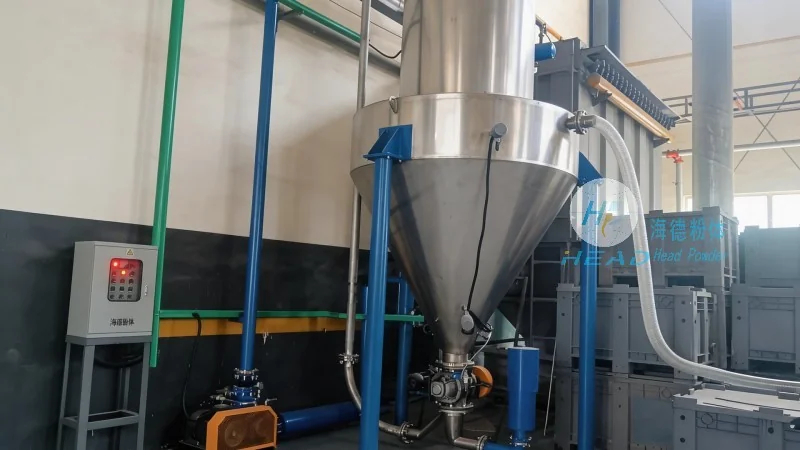
Key Components of a Dye Pneumatic Conveying System
The core components of a dye pneumatic conveying system include the material hopper, which stores the dye powder; the feeder, which controls the flow rate of the material into the conveying line; the conveying line itself, which may be made of metal or flexible tubing depending on the application; and the receiver, which collects the material at the destination. Additionally, the system may incorporate a blower or compressor to generate the necessary air pressure, a filter to remove dust and particles from the exhaust air, and a control system to regulate the operation of the entire process.
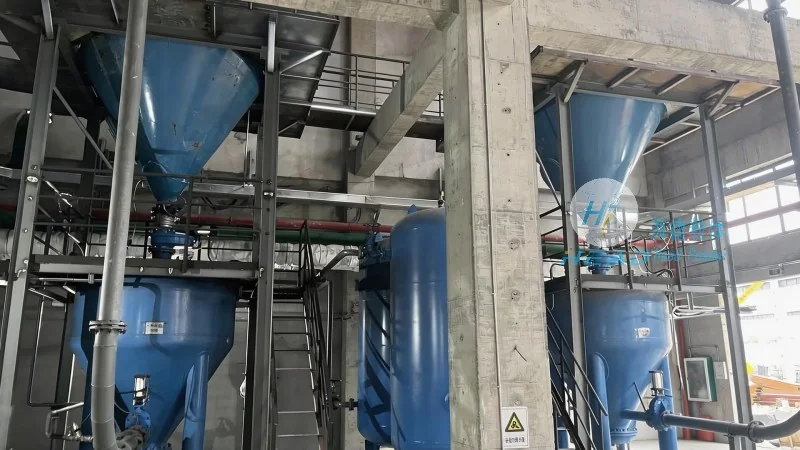
Design Principles for Efficient Dye Transport
The design of a dye pneumatic conveying system follows several key principles to ensure efficient and safe material transport. First, the system must be designed to handle the specific properties of the dye powder, such as its particle size, density, and moisture content. This involves selecting appropriate equipment and materials to prevent material degradation or blockages. Second, the air velocity within the conveying line must be optimized to achieve the desired transport rate while minimizing energy consumption. Third, the system should incorporate safety features, such as pressure relief valves and dust collection systems, to protect operators and the environment. Finally, the design should consider the overall layout and integration with other equipment in the production line to ensure seamless operation.
Advantages of Pneumatic Conveying for Dye Handling
Compared to traditional mechanical conveying methods, pneumatic conveying offers several advantages for dye handling. One of the primary benefits is the ability to transport fine or abrasive powders without causing damage or contamination. The enclosed system also helps maintain product quality and prevents dust emissions, which is crucial for meeting environmental regulations. Additionally, pneumatic conveying systems can be easily scaled to accommodate varying production volumes, making them suitable for both small-scale and large-scale operations. The reduced need for maintenance and the lower risk of material buildup in the pipeline further contribute to the cost-effectiveness of this technology.
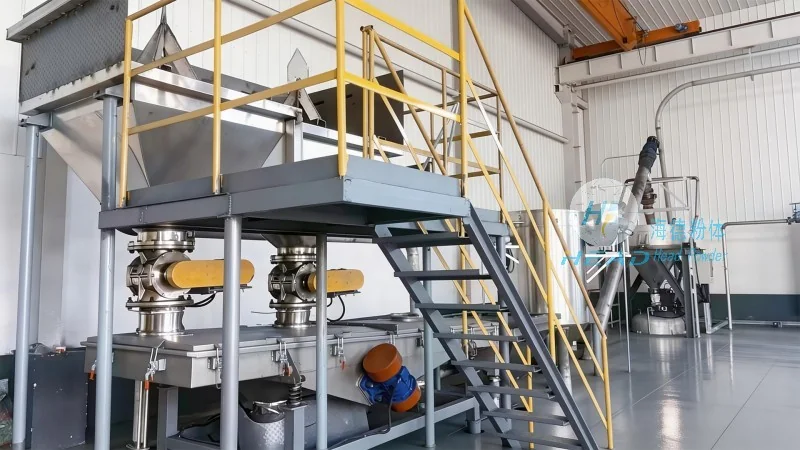
Customization and Application Flexibility
HeadPowder understands that each dye processing facility has unique requirements, and therefore, offers customized pneumatic conveying systems tailored to specific needs. The company works closely with clients to assess their operational conditions, material characteristics, and production goals to design a system that maximizes efficiency and minimizes downtime. Whether the application involves short-distance or long-distance transport, low or high flow rates, or the handling of sensitive or hazardous materials, HeadPowder provides solutions that meet the exact specifications of the client. The flexibility of the system design allows for easy integration with existing equipment and future expansion as production needs evolve.




