Understanding the Paddy Rice Pneumatic Conveying System and Its Design Principles
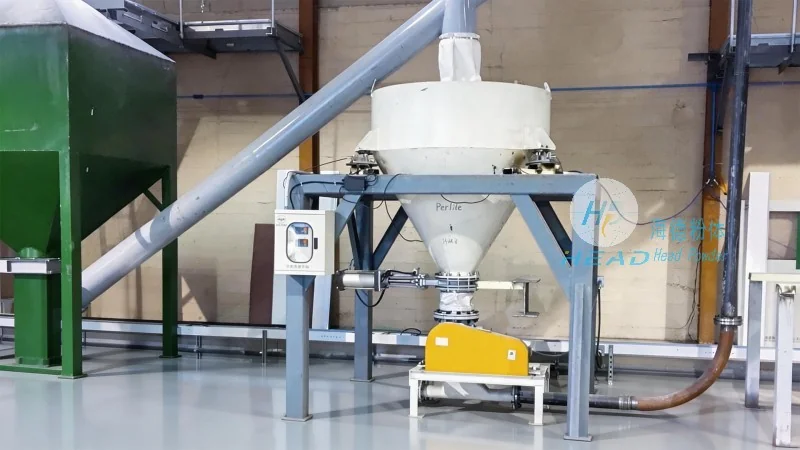
Introduction to Paddy Rice Pneumatic Conveying Systems
A paddy rice pneumatic conveying system is a specialized equipment setup designed to transport paddy rice efficiently from one location to another within agricultural processing facilities. This system utilizes air as the primary medium to move the rice grains, offering a dust-free, hygienic, and energy-efficient method compared to traditional mechanical conveyors. The system is widely adopted in rice mills and processing plants due to its ability to handle delicate rice grains without causing breakage or damage, which is crucial for maintaining the quality of the final product.
Core Components of the Paddy Rice Pneumatic Conveying System
The paddy rice pneumatic conveying system consists of several key components that work in tandem to achieve effective material transport. The main components include the hopper or feed hopper, which holds the raw paddy rice; the air compressor or blower, which generates the necessary air pressure to move the rice; the conveying pipeline, which transports the rice through the system; and the receiver or discharge hopper, where the rice is collected after transport. Additionally, the system may include filters to remove dust and debris from the air, and control valves to regulate the air flow and pressure. Each component plays a critical role in ensuring the smooth operation of the entire system.
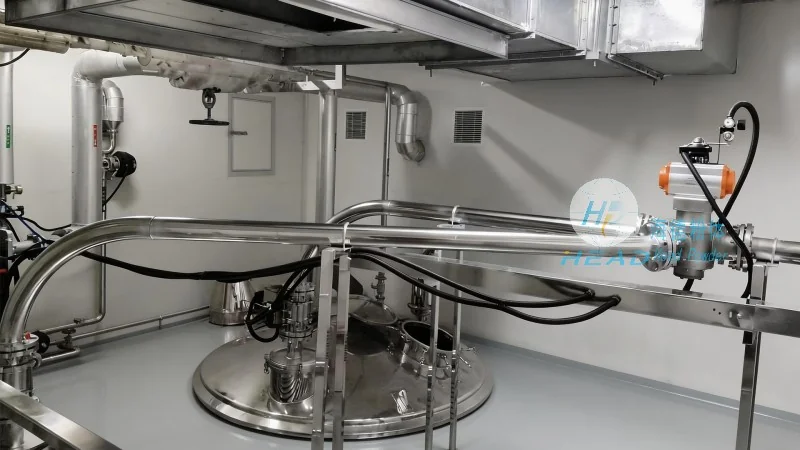
Design Principles Behind the Paddy Rice Pneumatic Conveying System
The design principles of a paddy rice pneumatic conveying system are centered around optimizing efficiency, minimizing product damage, and ensuring operational safety. One of the primary design considerations is the air velocity and pressure within the conveying pipeline. The air velocity must be sufficient to lift and transport the rice grains without causing excessive abrasion or breakage. Typically, the air velocity is maintained between 20 to 30 meters per second, depending on the size and density of the rice grains. The pressure in the system is carefully controlled to prevent over-pressurization, which could lead to equipment failure or product damage. Another key design principle is the use of appropriate pipeline materials and diameters. The pipelines are usually made of stainless steel or other corrosion-resistant materials to withstand the moisture and abrasive nature of the rice. The diameter of the pipeline is determined based on the flow rate and the type of conveying system (e.g., dilute phase or dense phase). Dilute phase systems use higher air velocities and lower pressure, while dense phase systems use lower air velocities and higher pressure to transport the rice more gently.
How the Paddy Rice Pneumatic Conveying System Operates
The operation of a paddy rice pneumatic conveying system involves several steps. First, the raw paddy rice is fed into the hopper from a storage silo or a processing unit. The hopper is equipped with a feeder, such as a rotary valve or a screw conveyor, which controls the flow rate of the rice into the system. Next, the air compressor or blower starts and generates the required air pressure. The air is then introduced into the conveying pipeline, and the rice grains are lifted and transported through the pipeline by the air flow. The rice and air mixture travels to the receiver hopper, where the rice is separated from the air using a cyclone separator or a filter. The separated rice is then collected in the receiver hopper and can be further processed, such as cleaning, drying, or milling. The air, now filtered of dust and debris, is returned to the blower or released into the atmosphere. The entire process is automated and controlled by a system of sensors and valves, ensuring consistent and reliable operation.
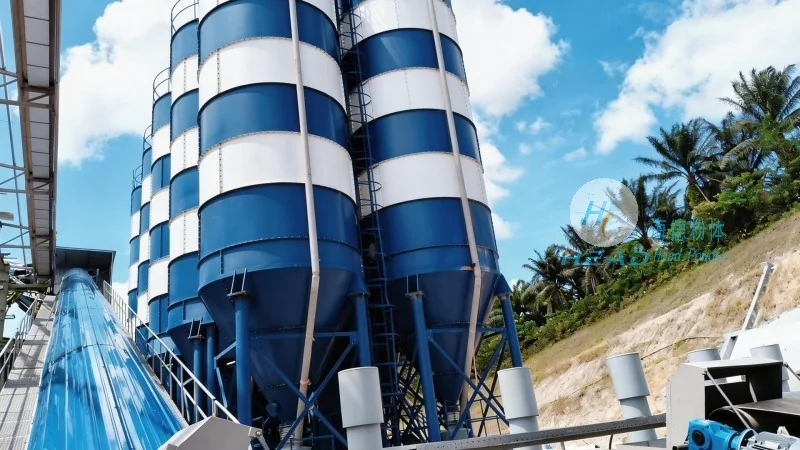
Advantages of Using a Paddy Rice Pneumatic Conveying System
There are several advantages to using a paddy rice pneumatic conveying system in rice processing facilities. First, it offers a dust-free and hygienic environment, which is essential for maintaining the quality and safety of the rice product. Unlike mechanical conveyors, which can generate dust and cause contamination, the pneumatic system keeps the rice and air separate, reducing the risk of microbial growth and product spoilage. Second, the system is highly efficient in terms of energy consumption. By using air as the conveying medium, the system can transport large quantities of rice with relatively low energy input compared to other methods. Third, the system is flexible and can be easily integrated into existing processing lines. It can handle different types of rice, including paddy, brown rice, and white rice, and can be adjusted to accommodate varying production volumes. Fourth, the system reduces labor costs and improves safety in the workplace. The automated operation minimizes the need for manual handling of rice, reducing the risk of injury and improving overall productivity.
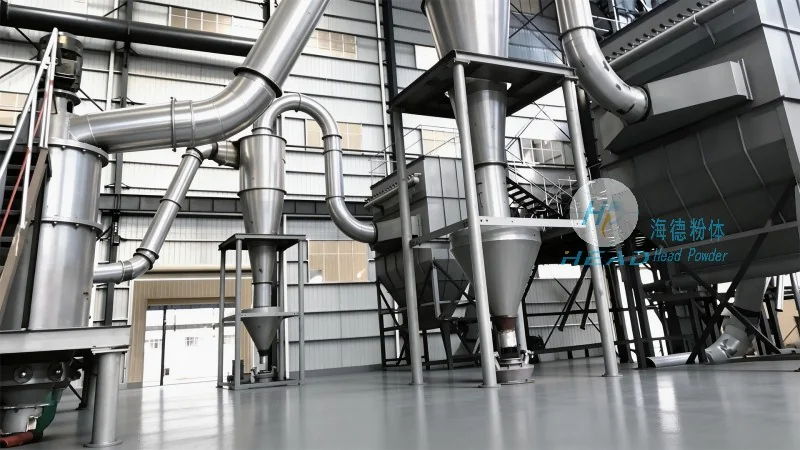
Applications of Paddy Rice Pneumatic Conveying Systems
Paddy rice pneumatic conveying systems are widely used in various stages of rice processing. In the initial processing stage, the system is used to transport raw paddy rice from storage silos to the cleaning and milling units. The rice is cleaned to remove impurities such as stones, dust, and chaff, and then milled to remove the husk and bran, producing white rice. The system is also used to transport the by-products, such as husk and bran, to storage or disposal areas. In the storage stage, the system can be used to move the processed rice from the milling unit to storage silos or packaging lines. The system is also used in the packaging stage to transport the finished rice into packaging machines, ensuring a smooth and continuous production line.
Conclusion and Company Information
Paddy rice pneumatic conveying systems are an essential part of modern rice processing facilities, offering efficient, hygienic, and safe methods for transporting rice grains. The design principles behind these systems focus on optimizing air flow, minimizing product damage, and ensuring operational reliability. By using advanced components and controls, these systems can handle large volumes of rice with minimal energy consumption and maximum product quality. As a leading provider of engineering solutions for the agricultural industry, Shandong HeadPowder Engineering Co., Ltd. specializes in designing and manufacturing high-quality paddy rice pneumatic conveying systems tailored to the specific needs of rice mills and processing plants. With years of experience and a commitment to quality, HeadPowder provides reliable and efficient solutions that enhance the productivity and profitability of rice processing operations. The company's headquarters is located in Shandong, China, and it serves clients worldwide with customized equipment and technical support.




