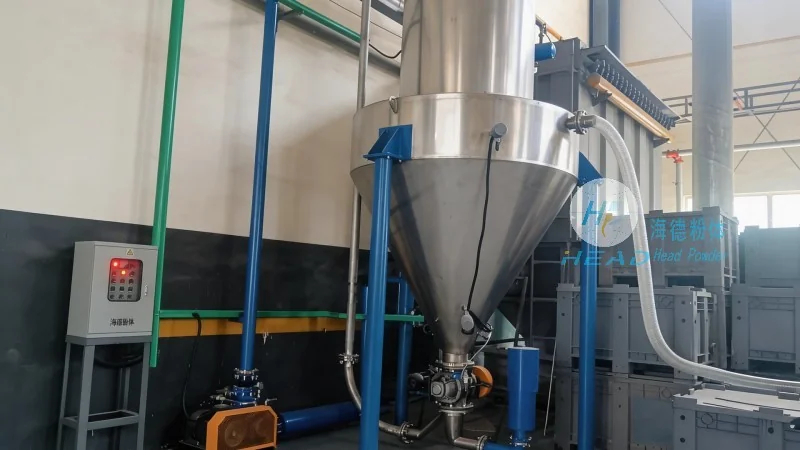
Denitrization fly ash powder conveying lines are specialized systems engineered to handle and transport the fine particulate material known as fly ash, which is produced as a byproduct during the selective catalytic reduction (SCR) process used in power plants to reduce nitrogen oxide emissions. These lines are critical components in the overall ash management system, ensuring that the fly ash is efficiently and safely moved from the point of generation to storage or disposal facilities. The design of such lines must consider the unique properties of fly ash, including its high moisture content, abrasive nature, and potential for dust generation, which can impact the performance and longevity of the conveying equipment.
Key Components and Design Principles of Denitrization Fly Ash Powder Conveying Lines
The design of a denitrization fly ash powder conveying line typically involves several key components that work in concert to achieve reliable and efficient material transport. The primary components include a feed hopper or feeder to control the flow of ash from the source, a conveyor system (such as a pneumatic or mechanical conveyor) to move the ash through the pipeline, and a control system to regulate the operation of the entire line. The choice of conveyor type depends on factors like the ash's moisture content, particle size, and the required conveying distance. For example, pneumatic conveying systems are often preferred for handling dry or moderately dry fly ash due to their ability to transport materials over long distances with minimal maintenance, while mechanical conveyors like screw or belt conveyors may be used for shorter distances or when the ash is more viscous.
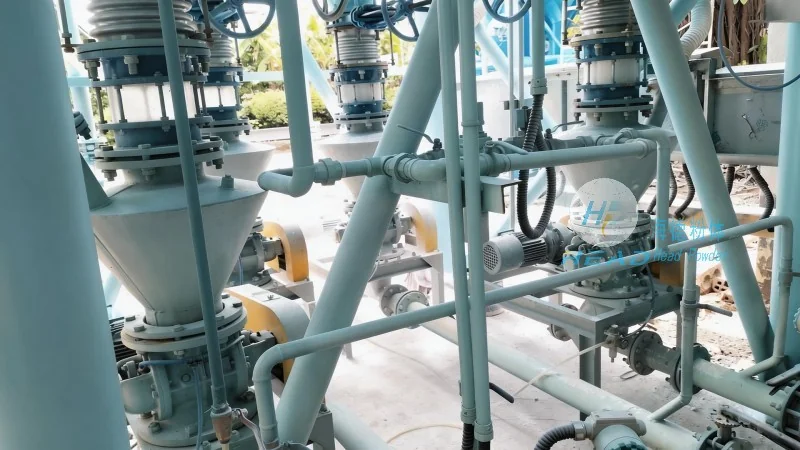
One of the critical design principles is the prevention of ash buildup and blockages within the conveying system. This is achieved through the use of appropriate materials for the conveyor components, such as wear-resistant liners and bearings, and by incorporating features like air knives or rotary valves that help to break up clumps and maintain a consistent flow. Additionally, the system must be designed to handle the abrasive nature of fly ash, which can cause significant wear on metal surfaces over time. This often involves the use of high-quality stainless steel or special alloys for the conveyor pipes and components, as well as regular maintenance schedules to monitor and replace worn parts.
HeadPowder Engineering's Approach to Designing Denitrization Fly Ash Powder Conveying Lines
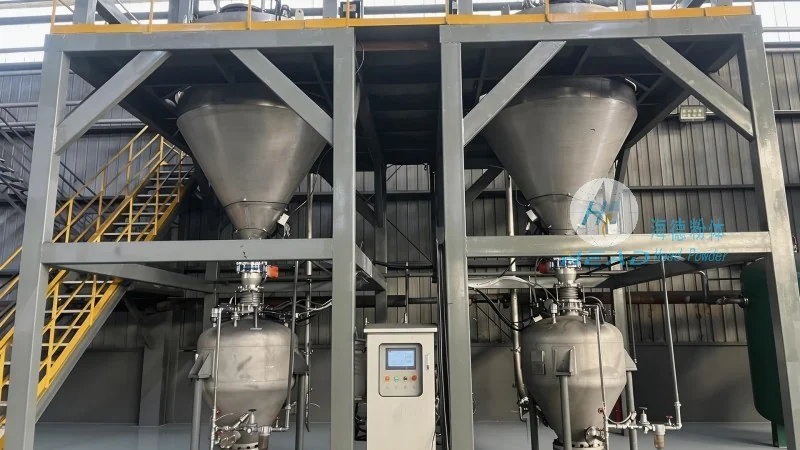
Shandong HeadPowder Engineering Co., Ltd., a leading provider of engineering solutions for powder handling systems, specializes in the design, manufacturing, and installation of denitrization fly ash powder conveying lines. With headquarters located in Shandong, China, HeadPowder has extensive experience in working with power plant operators to develop customized solutions that meet their specific operational requirements. The company's approach to design emphasizes the integration of advanced technology with practical engineering, ensuring that the conveying lines are not only efficient but also durable and low-maintenance. For instance, HeadPowder engineers may incorporate variable frequency drives (VFDs) into the control system to adjust the conveyor speed based on the ash flow rate, thereby optimizing energy consumption and reducing wear on the equipment. The company also prioritizes safety in its designs, including features like dust suppression systems and emergency shutdown mechanisms to protect both personnel and the environment.
Ensuring Reliability and Performance in Denitrization Fly Ash Powder Conveying Systems
The success of a denitrization fly ash powder conveying line depends heavily on its ability to operate reliably under the challenging conditions often encountered in power plants. This includes maintaining consistent flow rates, minimizing downtime due to maintenance or blockages, and ensuring that the system complies with environmental regulations regarding dust emissions. To achieve this, the design must incorporate robust monitoring and control systems that can detect changes in ash properties or system performance and adjust operations accordingly. For example, sensors may be installed to measure the ash's moisture content or particle size, which can then be used to adjust the conveyor speed or air pressure to maintain optimal transport conditions. Additionally, regular inspections and maintenance are essential to prevent issues such as pipe corrosion or bearing failure, which can lead to system failures and costly downtime.
Conclusion: The Importance of Specialized Conveying Solutions for Denitrization Fly Ash
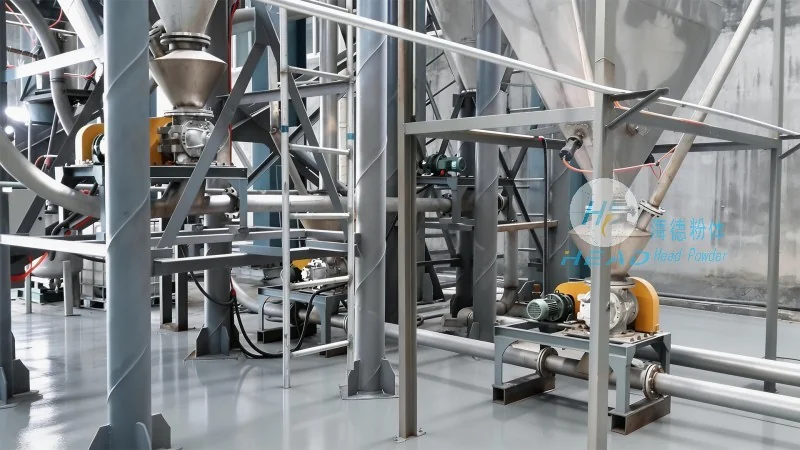
In summary, denitrization fly ash powder conveying lines are essential for the efficient management of fly ash produced during the nitrogen oxide reduction process in power plants. The design of these systems must address the unique challenges posed by fly ash, including its abrasive and dusty nature, to ensure reliable and safe transport. Companies like Shandong HeadPowder Engineering Co., Ltd. play a crucial role in providing tailored solutions that meet the specific needs of power plant operators, helping to improve the overall efficiency and sustainability of ash management processes. By leveraging advanced engineering principles and high-quality materials, these systems can effectively handle the demands of modern power generation while minimizing environmental impact.




