For industrial applications involving flake graphite powder, the efficient and reliable transportation of this material is crucial. A flake graphite powder conveying line, also known as a flake graphite powder handling system, is a specialized setup designed to move flake graphite powder from one location to another within a production facility. This system is essential for ensuring smooth operations in industries such as battery manufacturing, lubricants, and refractory materials production, where flake graphite is a key raw material.
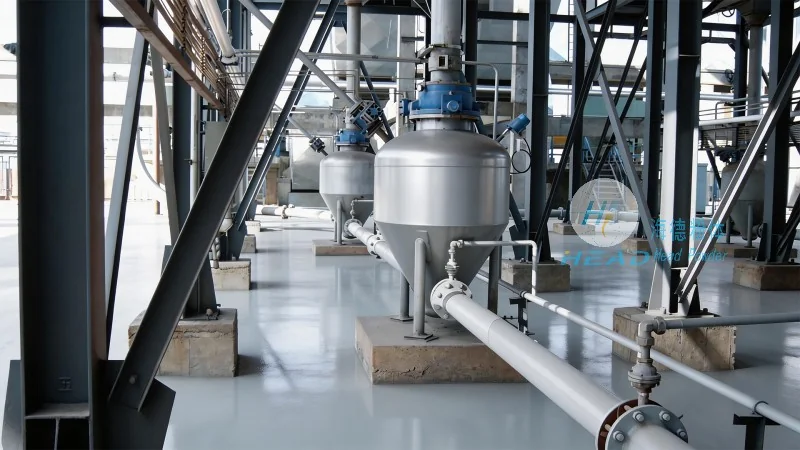
At the core of any flake graphite powder conveying line is a combination of components that work together to transport the material. These components typically include feeders, conveyors, and control systems. The design of the line is tailored to the specific properties of flake graphite powder, which are characterized by their high lubricity, electrical conductivity, and chemical inertness. These properties make flake graphite valuable but also present challenges in handling, such as the tendency of the powder to aggregate or stick to surfaces.
Key Components of a Flake Graphite Powder Conveying Line
The flake graphite powder conveying line consists of several critical components that ensure the material is transported safely and efficiently. The first component is the feeder, which is responsible for feeding the flake graphite powder into the conveying system. There are different types of feeders available, such as screw feeders, vibratory feeders, and rotary valves, each suited to different material flow rates and characteristics. For flake graphite powder, a feeder that can handle fine powders without causing excessive friction or blockages is preferred. The choice of feeder depends on the specific requirements of the application, including the desired flow rate and the need to maintain the integrity of the powder particles.
Next in the line is the conveyor system. This is the heart of the conveying line, responsible for moving the flake graphite powder from the feeder to the discharge point. Common conveyor types used in flake graphite powder handling include belt conveyors, pneumatic conveyors, and screw conveyors. Belt conveyors are often used for horizontal or slightly inclined transport, providing a smooth and continuous movement of the powder. Pneumatic conveyors, on the other hand, use air pressure to transport the powder, which is particularly effective for fine powders that are prone to dusting or segregation. Screw conveyors are also widely used, especially for vertical or inclined transport, as they can handle a wide range of particle sizes and provide a compact design.
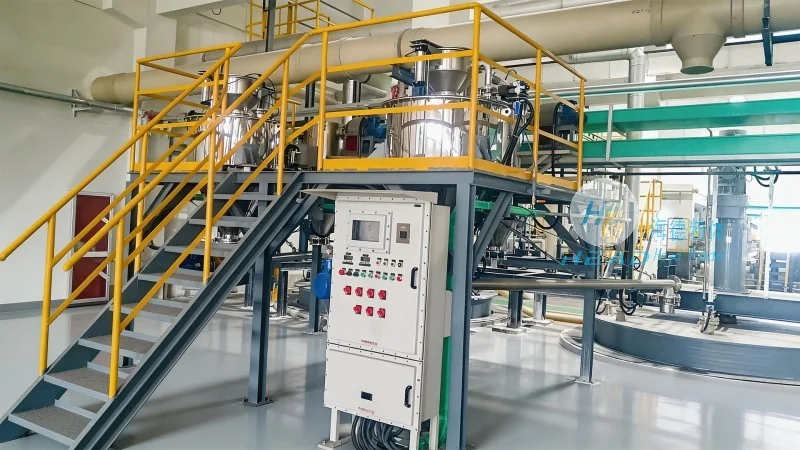
Control systems are another essential part of the flake graphite powder conveying line. These systems monitor and regulate the operation of the feeder and conveyor, ensuring that the material is transported at the correct rate and without any blockages or overflows. Modern control systems often include sensors and automation technology to provide real-time monitoring of the material flow and to adjust the system parameters as needed. This helps to maintain consistent performance and prevent downtime due to equipment failures or material handling issues.
Design Principles for Efficient Flake Graphite Powder Conveying
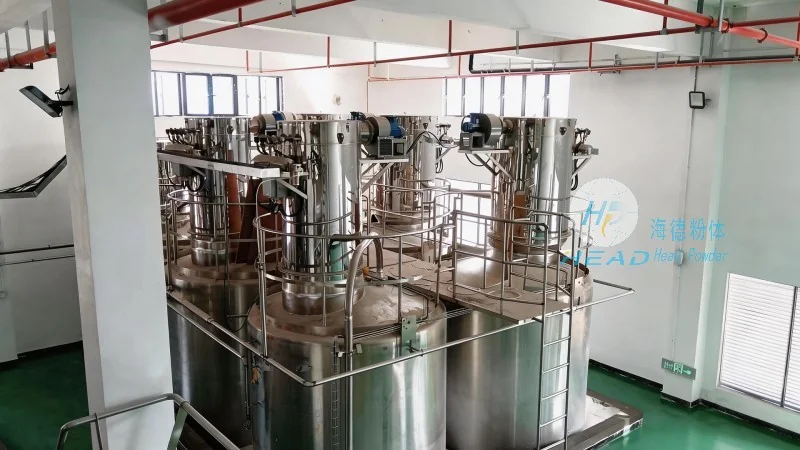
The design of a flake graphite powder conveying line is based on several key principles that ensure optimal performance and reliability. The first principle is to minimize friction and abrasion between the powder particles and the conveying equipment. Flake graphite is a soft material, and excessive friction can cause the particles to break down or aggregate, reducing their quality and affecting the performance of the final product. Therefore, the conveying components, such as the belt or screw, are typically made of materials that are non-abrasive and have a smooth surface. For example, stainless steel or food-grade plastics are commonly used for the conveyor surfaces to prevent the buildup of the powder and to maintain a clean environment.
The second principle is to prevent segregation of the flake graphite powder. Segregation occurs when the larger or heavier particles separate from the smaller or lighter particles during transport, leading to an uneven distribution of the material. This can result in inconsistent product quality and reduced efficiency. To prevent segregation, the conveying line is designed with features such as baffles, agitators, or inclined sections that help to mix the powder and maintain a uniform flow. The design of the feeder and conveyor also plays a role in preventing segregation, as a well-designed system ensures that all particles move at the same speed and in the same direction.
The third principle is to ensure dust control and environmental safety. Flake graphite powder is a fine material that can generate dust during handling, which poses health and safety risks for workers and can also affect the performance of the equipment. The conveying line is designed with dust collection systems, such as hoods and filters, to capture the dust and prevent it from escaping into the environment. The use of sealed conveying systems, where the material is contained within the equipment, also helps to minimize dust generation and improve safety. Additionally, the design of the system takes into account the need for easy maintenance and cleaning to prevent the buildup of dust and debris.
Applications of Flake Graphite Powder Conveying Lines
Flake graphite powder conveying lines are used in a variety of industrial applications where flake graphite is a key component. One of the most common applications is in the production of lithium-ion batteries, where flake graphite is used as an anode material. The conveying line is used to transport the flake graphite powder from storage to the mixing and coating processes, ensuring a consistent supply of material. In the lubricants industry, flake graphite is used as a solid lubricant, and the conveying line is used to transport the powder to the blending and packaging stages. The refractory materials industry also uses flake graphite powder, and the conveying line is used to move the material to the mixing and molding processes.
In each of these applications, the design of the conveying line is tailored to the specific requirements of the process. For example, in battery manufacturing, the conveying line may need to handle high volumes of fine powder and maintain a high level of purity to ensure the quality of the final product. In the lubricants industry, the conveying line may need to handle larger particles and maintain a consistent flow rate to ensure the uniformity of the lubricant. The design of the system also takes into account the need for easy integration with other equipment in the production line, such as mixers and coating machines.
Benefits of Using a Properly Designed Flake Graphite Powder Conveying Line
Using a properly designed flake graphite powder conveying line offers several benefits for industrial operations. The first benefit is improved efficiency and productivity. A well-designed system ensures that the flake graphite powder is transported at the correct rate, reducing downtime and increasing the overall output of the production facility. The second benefit is improved product quality. By minimizing friction and segregation, the conveying line helps to maintain the integrity of the flake graphite particles, resulting in a higher quality product. The third benefit is enhanced safety and environmental compliance. The dust control systems and sealed conveying design help to protect workers and the environment from the hazards of flake graphite powder.
Additionally, a properly designed conveying line can reduce maintenance costs and extend the lifespan of the equipment. By using non-abrasive materials and preventing blockages, the system requires less maintenance and is less likely to fail. This leads to lower operational costs and a higher return on investment for the company. The use of automation and control systems also helps to reduce the need for manual intervention, further improving efficiency and safety.
Conclusion
A flake graphite powder conveying line is a critical component of any industrial facility that uses flake graphite as a raw material. The design of this system is based on several key principles, including minimizing friction and abrasion, preventing segregation, and controlling dust. The components of the line, such as feeders, conveyors, and control systems, are carefully selected to meet the specific requirements of the application. By using a properly designed conveying line, companies can improve their efficiency, product quality, and safety, while reducing maintenance costs and increasing their overall profitability.
Shandong HeadPowder Engineering Co., Ltd., a leading manufacturer of flake graphite powder conveying systems, specializes in providing customized solutions for various industrial applications. With years of experience in the industry, the company has developed a range of conveying lines that are designed to meet the specific needs of its customers. The company's products are known for their reliability, efficiency, and durability, making them a trusted choice for companies in the battery, lubricants, and refractory materials industries. Based in Shandong, China, HeadPowder Engineering Co., Ltd. is committed to providing high-quality products and services to its customers worldwide.




