Barium sulfate powder conveying machines are specialized equipment designed to handle the transportation of barium sulfate powder, a common industrial material used in various applications such as coatings, pigments, and pharmaceuticals. Understanding the functionality and design principles of these machines is crucial for optimizing material handling processes in industrial settings. This article explores the key aspects of barium sulfate powder conveying machines, including their operational mechanisms, design considerations, and practical applications.
Introduction to Barium Sulfate Powder Conveying Machines
Barium sulfate, also known as barium sulfate (BaSO₄), is a white crystalline powder with a high density and low reactivity. It is widely used as a filler in the manufacturing of paints, plastics, and rubber products, as well as in medical imaging (e.g., barium meals for X-ray diagnostics). Due to its fine particle size and cohesive properties, transporting barium sulfate powder efficiently requires specialized equipment that can minimize dust generation, prevent material buildup, and ensure consistent flow. The barium sulfate powder conveying machine addresses these challenges by integrating advanced engineering solutions to handle the material safely and effectively.
Key Components and Design Principles
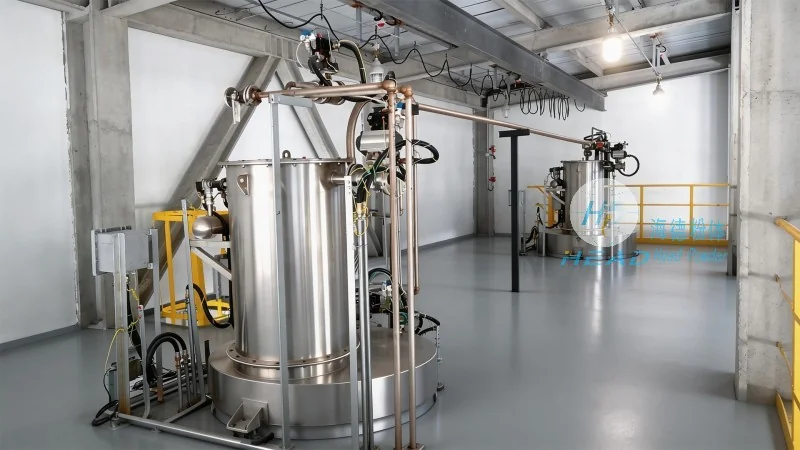
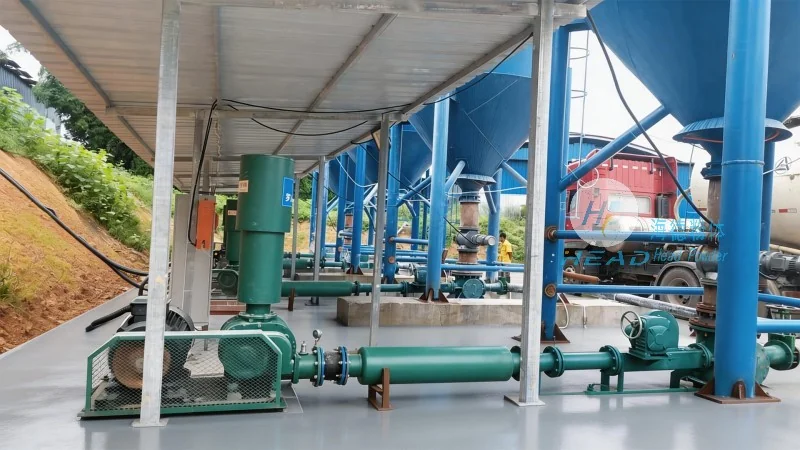
The design of a barium sulfate powder conveying machine typically involves several critical components that work in harmony to ensure reliable operation. These components include the hopper, conveyor system (e.g., screw conveyors, pneumatic conveyors, or belt conveyors), control system, and dust collection mechanisms. The hopper is designed to store the barium sulfate powder and maintain a consistent feed rate, preventing material from caking or bridging. The conveyor system is chosen based on the material's properties and the required conveying distance. For example, screw conveyors are often used for short to medium distances due to their ability to handle fine powders without excessive wear, while pneumatic conveyors are suitable for longer distances or when dust control is a priority.
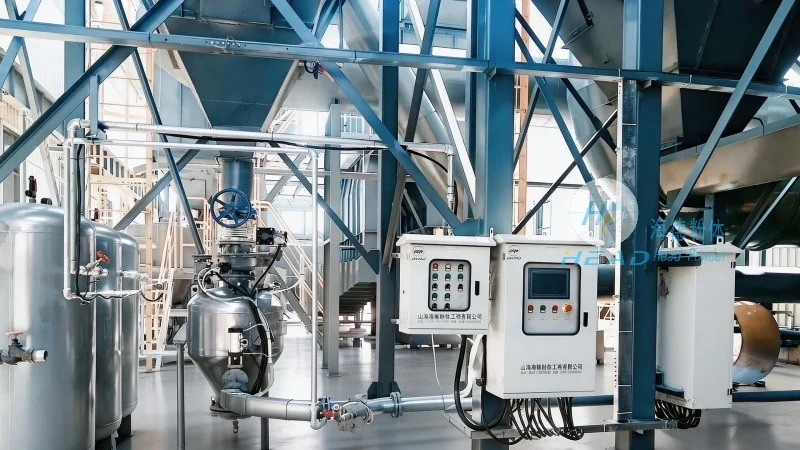
Control systems play a vital role in regulating the conveying process, ensuring that the flow rate matches production demands and preventing overloading or underloading of the system. These systems may include variable speed drives, level sensors, and pressure sensors to monitor the material level and flow dynamics. Additionally, dust collection mechanisms are integrated to capture any airborne particles, maintaining a clean and safe working environment. The design principles of barium sulfate powder conveying machines prioritize efficiency, reliability, and safety, with a focus on minimizing downtime and maximizing material throughput.
Operational Mechanisms and Applications
Barium sulfate powder conveying machines operate by transferring the material from the source (e.g., storage silos or production lines) to the destination (e.g., processing equipment or packaging units). The operational mechanisms vary depending on the type of conveyor system used. For screw conveyors, the rotating screw pushes the powder forward through a tube, creating a positive pressure that moves the material. Pneumatic conveyors, on the other hand, use compressed air to create a negative pressure that draws the powder into the conveying line, allowing for longer distances and more flexible routing. Belt conveyors are used for larger particle sizes or bulk materials but are less common for fine powders like barium sulfate due to the risk of material buildup on the belt.
The applications of barium sulfate powder conveying machines span across multiple industries. In the coatings industry, these machines ensure a consistent supply of barium sulfate to mixing and grinding equipment, maintaining the quality of the final product. In the pharmaceutical industry, they are used to transport barium sulfate for medical imaging applications, where precision and cleanliness are paramount. Additionally, in the rubber and plastic manufacturing sectors, the machines help integrate barium sulfate as a filler, improving the mechanical properties and durability of the end products. The versatility of barium sulfate powder conveying machines makes them essential in any facility that processes or handles this material.
Advantages and Considerations
Using a barium sulfate powder conveying machine offers several advantages over traditional manual or bucket elevator methods. These include improved efficiency, reduced labor costs, and enhanced safety by minimizing human exposure to dust and fine particles. The machines also help maintain consistent material quality by preventing segregation or contamination during transport. However, there are some considerations to keep in mind when selecting or operating such equipment. For instance, the material's cohesive properties may require additional measures, such as adding anti-caking agents or using vibration systems to prevent material buildup in the hopper or conveyor. Additionally, the design must account for the material's density and flow characteristics to ensure optimal performance.
Conclusion
Barium sulfate powder conveying machines are critical equipment for industries that rely on the efficient handling of this important industrial material. By understanding the design principles and operational mechanisms of these machines, manufacturers can optimize their material handling processes, improve product quality, and enhance workplace safety. As technology advances, these machines continue to evolve, incorporating more advanced features such as automated control systems and real-time monitoring to further improve efficiency and reliability. For businesses in need of reliable barium sulfate powder conveying solutions, partnering with a reputable supplier like Shandong HeadPowder Engineering Co., Ltd. can provide access to high-quality equipment tailored to specific industrial needs.




