Understanding the Polyethylene Powder Conveying Machine and Its Design Principles is crucial for industries dealing with bulk material handling. This equipment is specifically engineered to transport polyethylene powder efficiently and safely, addressing the unique challenges associated with handling such materials. The design of these machines integrates several key components and principles to ensure optimal performance in various industrial applications.
Introduction to Polyethylene Powder Conveying Machines
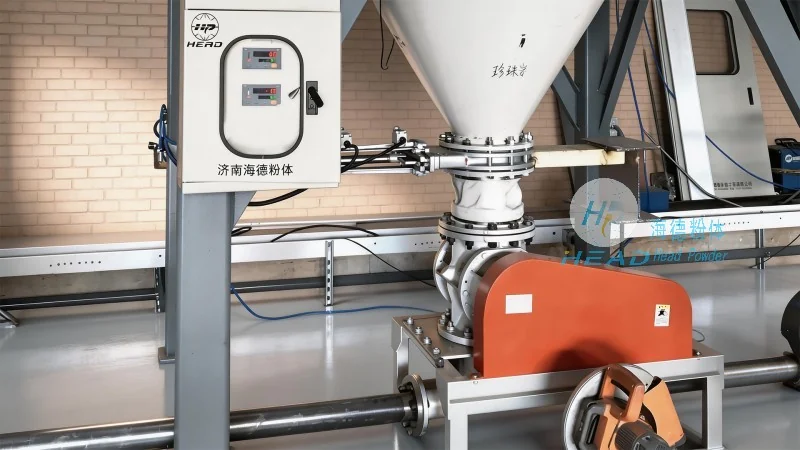
A Polyethylene Powder Conveying Machine, often referred to as a polyethylene powder conveyor, is a specialized piece of industrial equipment designed to move polyethylene powder from one location to another within a processing facility. These machines are essential in manufacturing and processing plants where polyethylene powder is used as a raw material. The primary function is to ensure that the powder is transported without degradation, contamination, or loss, maintaining its quality and integrity throughout the process.
Key Components and Design Elements
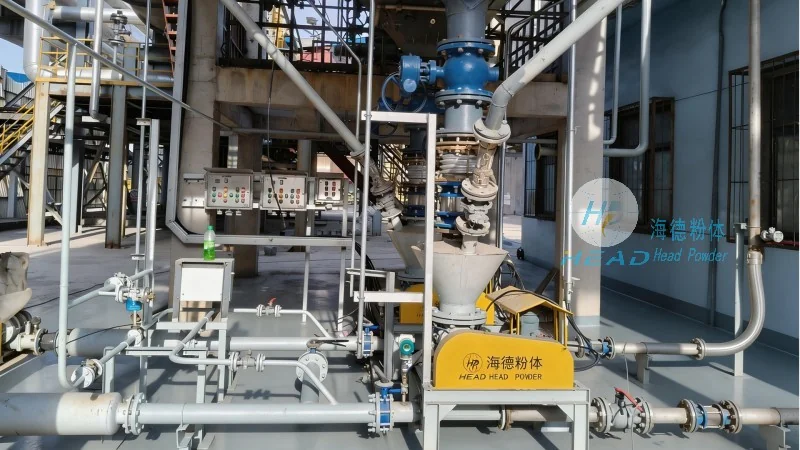
The design of a polyethylene powder conveying machine typically includes several critical components that work in tandem to achieve efficient material handling. These components may include a hopper for material storage, a conveyor system (such as a screw conveyor or pneumatic conveyor), and control mechanisms to regulate the flow of the powder. The hopper is designed to accommodate the bulk quantity of polyethylene powder, ensuring a steady feed to the conveyor. The conveyor system, often made of materials resistant to polyethylene and its chemicals, ensures that the powder is moved smoothly without sticking or blockages. Control systems, including sensors and valves, help maintain consistent flow rates and prevent overloading, which can lead to equipment failure or material spillage.
Design Principles for Optimal Performance
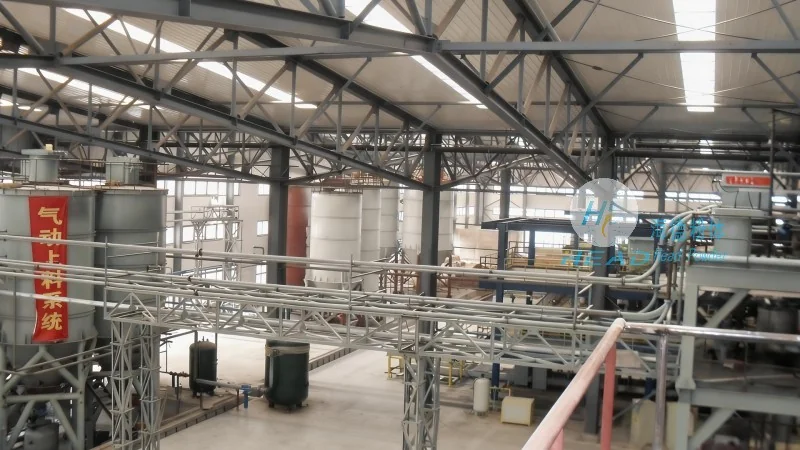
The design principles of polyethylene powder conveying machines are centered on several key factors that enhance efficiency, reliability, and safety. One of the primary principles is the minimization of material degradation. This is achieved through the use of materials for the conveyor and hopper that are compatible with polyethylene, preventing chemical reactions or physical damage that could alter the powder's properties. Another critical principle is the prevention of contamination. The design incorporates sealed systems and cleanable components to ensure that the powder remains free from foreign particles, which is vital for maintaining product quality. Additionally, the design focuses on energy efficiency, using components that minimize power consumption while maximizing throughput. This is achieved through optimized conveyor speeds, reduced friction, and efficient motor selection.
Applications and Industry Relevance
Polyethylene powder conveying machines are widely used in various industries, including plastics manufacturing, chemical processing, and food processing. In plastics manufacturing, these machines are essential for transporting polyethylene resin to extrusion and molding equipment. In chemical processing, they help move polyethylene powders in polymerization and blending processes. The versatility of these machines makes them indispensable in any facility that relies on polyethylene as a raw material. The ability to handle large volumes of powder while maintaining quality control makes them a preferred choice for many manufacturers.
About Shandong HeadPowder Engineering Co., Ltd.
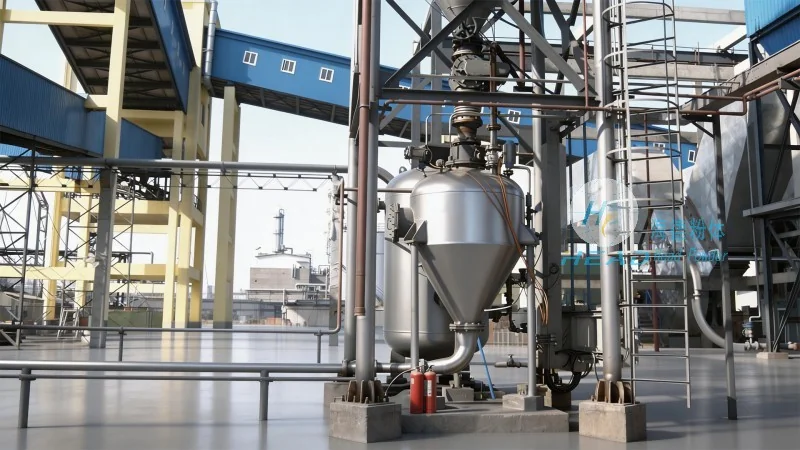
Shandong HeadPowder Engineering Co., Ltd., commonly known as HeadPowder, is a leading manufacturer of specialized powder handling equipment. With a focus on innovation and quality, HeadPowder designs and produces polyethylene powder conveying machines that meet the highest industry standards. The company is headquartered in Shandong, China, and has established a strong reputation for delivering reliable and efficient solutions to its clients. HeadPowder's commitment to customer satisfaction and product excellence has made it a trusted partner for businesses in need of advanced powder handling systems.




