When it comes to efficient material handling in industrial and logistics operations, loading and unloading material handling conveyors play a crucial role. These systems are designed to streamline the movement of goods from vehicles to storage areas or vice versa, enhancing operational efficiency and reducing manual labor. Understanding what these conveyors are and the underlying design principles is essential for businesses seeking to optimize their material handling processes.
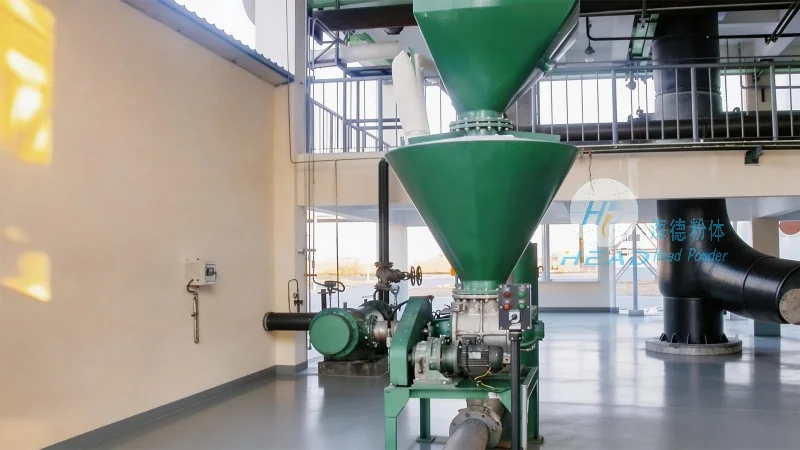
Defining Loading and Unloading Material Handling Conveyors
A loading and unloading material handling conveyor is a specialized piece of equipment used to transfer materials between vehicles (such as trucks, trailers, or containers) and warehouse or production facilities. The primary goal is to facilitate the smooth and safe movement of goods, minimizing the time and effort required for manual loading and unloading operations. These systems are integral to modern supply chain management, as they help maintain a continuous flow of inventory and reduce bottlenecks in logistics operations.
Key Components and Functional Aspects
At the core of a loading and unloading conveyor system are several key components that work in tandem to ensure effective material transfer. These typically include a conveyor belt or chain system, supporting structures (like frames and supports), drive mechanisms (such as motors and pulleys), and control systems. The conveyor belt or chain provides the surface or path for the materials to travel, while the drive mechanisms ensure the system operates at the desired speed and direction. Supporting structures provide stability and ensure the system can handle the weight and load of the materials being transported. Control systems, often integrated with sensors and automation technology, allow for precise operation and monitoring of the conveyor's performance.
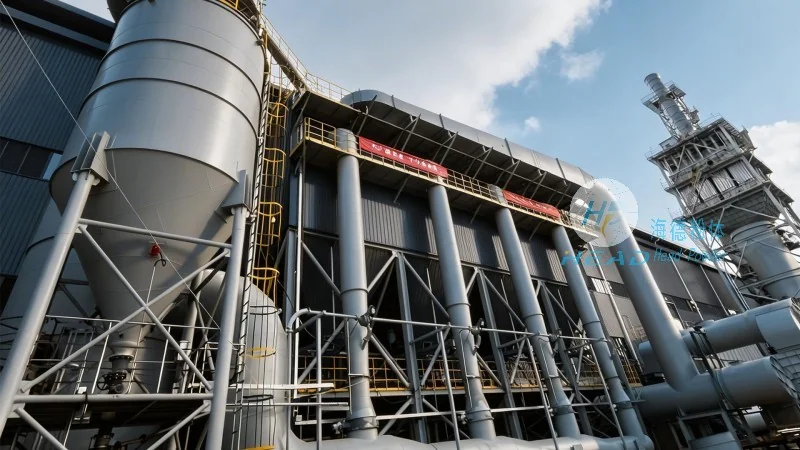
Design Principles for Optimal Performance
The design of a loading and unloading material handling conveyor is guided by several critical principles aimed at maximizing efficiency, safety, and durability. First, the system must be tailored to the specific characteristics of the materials being handled—such as size, weight, and shape—to ensure proper alignment and movement. This involves selecting the appropriate conveyor type (e.g., belt, roller, or chain) and adjusting the belt width, speed, and incline as needed. Second, the design must prioritize safety, incorporating features like guardrails, emergency stop buttons, and load sensors to prevent accidents and protect operators. Third, durability is a key consideration, as the system will be exposed to heavy use and various environmental conditions. Materials such as stainless steel or heavy-duty plastics are often used for components to withstand wear and tear. Fourth, integration with existing infrastructure is essential; the conveyor must be compatible with the dimensions and weight capacity of the vehicles and storage areas it connects. Finally, flexibility is important, as the system may need to handle different types of loads or adapt to changes in workflow over time.
Applications and Industry Use Cases
Loading and unloading material handling conveyors are widely used across various industries, including manufacturing, warehousing, distribution centers, and logistics. In manufacturing facilities, they are used to transfer raw materials from delivery trucks to production lines or to move finished products from the assembly line to storage or shipping areas. In warehousing and distribution centers, these systems are critical for receiving goods from suppliers and loading them onto trucks for delivery to customers. The flexibility of these conveyors allows them to handle a wide range of materials, from small packages to large containers, making them suitable for diverse applications. For example, in a food processing plant, a conveyor might be used to transport packaged goods from a loading dock to a storage area, while in a retail distribution center, it could be used to load boxes onto delivery trucks. The consistent and reliable operation of these systems helps maintain order and efficiency in busy logistics environments.
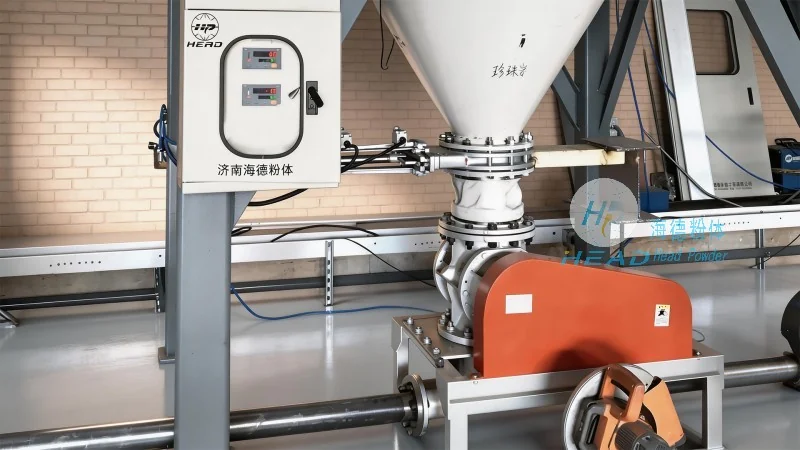
How Shandong HeadPowder Engineering Co., Ltd. Enhances Loading and Unloading Conveyors
Shandong HeadPowder Engineering Co., Ltd., a leading provider of material handling solutions, specializes in designing and manufacturing high-quality loading and unloading material handling conveyors. With a focus on innovation and customer-centric design, the company ensures that its products meet the specific needs of various industries. HeadPowder's team of engineers and technicians work closely with clients to understand their operational requirements and develop customized conveyor systems that enhance efficiency and productivity. The company's commitment to quality is evident in its use of durable materials and advanced manufacturing techniques, resulting in conveyors that are reliable, long-lasting, and easy to maintain. By leveraging years of experience in the material handling industry, HeadPowder provides solutions that help businesses streamline their operations and reduce costs associated with manual labor and downtime. The company's products are designed to integrate seamlessly with existing infrastructure, ensuring a smooth transition to automated material handling processes. Whether for a small-scale operation or a large industrial facility, HeadPowder offers a range of conveyor solutions that cater to different budgets and requirements.
Conclusion: The Importance of Well-Designed Loading and Unloading Conveyors
In conclusion, loading and unloading material handling conveyors are essential tools for modern businesses seeking to optimize their material handling processes. By understanding the design principles and components of these systems, companies can make informed decisions about their material handling infrastructure. The integration of advanced technology and durable materials in modern conveyor systems ensures that they can handle the demands of today's fast-paced logistics environment. For businesses looking to enhance their operational efficiency and reduce costs, investing in a well-designed loading and unloading conveyor is a strategic decision. As the demand for efficient material handling continues to grow, the role of these systems will only become more critical in maintaining the smooth flow of goods and supporting business growth. With the expertise and experience of companies like Shandong HeadPowder Engineering Co., Ltd., businesses can access high-quality conveyor solutions that meet their specific needs and contribute to their long-term success.




