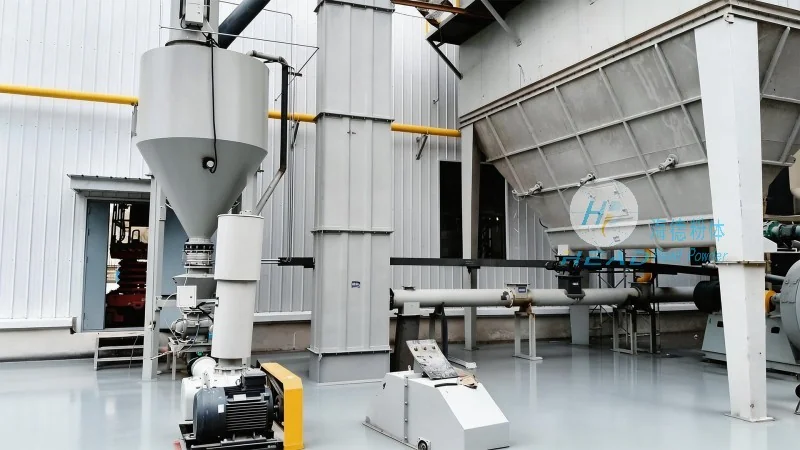
Automatic quantitative ingredient feeding and conveying lines are advanced industrial equipment designed to precisely measure, weigh, and transport bulk materials in manufacturing processes. These systems are crucial for industries such as food processing, pharmaceuticals, chemicals, and agriculture, where accurate ingredient proportioning is essential for product consistency and quality control.
Key Functions and Applications
At the core of these lines is the ability to handle various bulk materials, including powders, granules, and other particulate substances. The primary function is to deliver ingredients to production lines with high precision, ensuring that each batch adheres to strict formulation requirements. This is particularly vital in sectors like food and pharmaceuticals, where deviations in ingredient ratios can lead to product recalls or safety issues.
Companies like Shandong HeadPowder Engineering Co., Ltd. specialize in developing customized solutions tailored to specific industry needs. Their expertise lies in integrating advanced weighing technologies, such as load cells and digital scales, with automated feeding mechanisms to achieve sub-gram accuracy. This level of precision is achieved through sophisticated control systems that adjust feed rates in real-time, responding to changes in material flow or production demands.
Design Principles and Core Components
The design of an automatic quantitative ingredient feeding line is built on several fundamental principles aimed at maximizing efficiency and reliability. A typical system comprises several key components, each playing a critical role in the overall operation. The first component is the hopper or storage bin, which holds the raw materials and provides a consistent supply to the feeding mechanism. This container is often equipped with a level sensor to monitor material levels and trigger refills as needed.
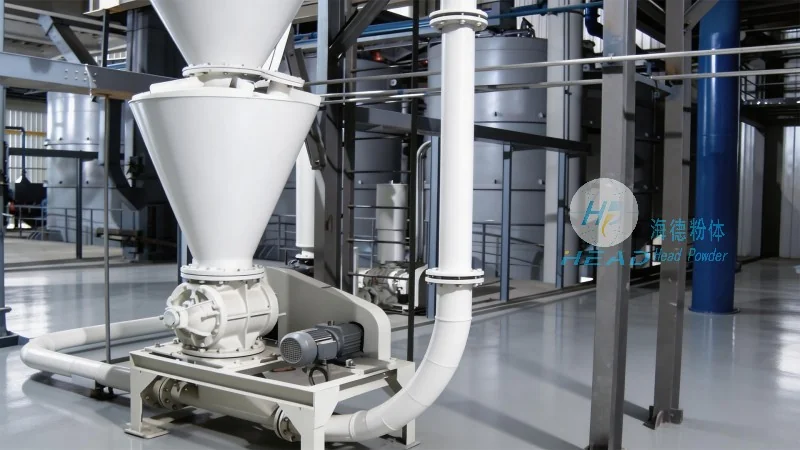
Next, the feeding mechanism, which may include screw conveyors, vibratory feeders, or belt conveyors, transfers the material from the hopper to the weighing scale. The choice of feeder depends on the material's characteristics—e.g., flowability, moisture content, and particle size. For example, screw conveyors are ideal for free-flowing powders, while vibratory feeders are better suited for cohesive or sticky materials.
The weighing system, typically a multi-head weigher or a single-head scale, is the heart of the quantitative process. These systems use load cells to measure the weight of the material as it is being fed. The scale continuously compares the actual weight to the target weight, adjusting the feed rate until the desired amount is achieved. Modern systems often incorporate digital displays and data logging capabilities, allowing operators to monitor performance and troubleshoot issues quickly.
Control systems, usually based on PLC (Programmable Logic Controller) technology, coordinate all components of the line. They receive input from sensors (e.g., level, temperature, or flow rate) and send commands to the feeder and scale. The PLC ensures that the system operates in a synchronized manner, preventing overfeeding or underfeeding. Additionally, these systems can be integrated with higher-level production management software, enabling remote monitoring and automated batch processing.
Advantages and Benefits
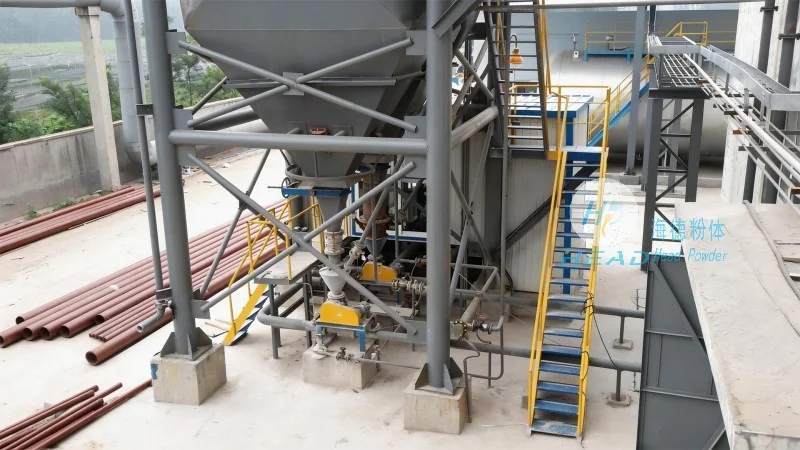
Implementing an automatic quantitative ingredient feeding line offers numerous advantages for manufacturers. The most significant benefit is the improvement in product consistency. By eliminating manual measurement errors, these systems ensure that each batch of product meets the exact formulation specifications, reducing the risk of defects or rework. This leads to higher customer satisfaction and lower waste.
Another key advantage is increased operational efficiency. Automated systems can operate continuously without the need for constant human supervision, reducing labor costs and increasing production throughput. The real-time control capabilities allow for rapid adjustments to feed rates, adapting to changes in production schedules or material availability. This flexibility is particularly valuable in dynamic manufacturing environments where demand fluctuates.
Furthermore, these lines enhance safety and compliance. By automating the handling of potentially hazardous materials, such as chemicals or pharmaceuticals, the risk of exposure to workers is minimized. The precise control also helps in adhering to regulatory standards, as accurate ingredient tracking is often required for traceability and quality assurance. In industries like pharmaceuticals, this is critical for meeting FDA or EU guidelines.
Customization and Integration
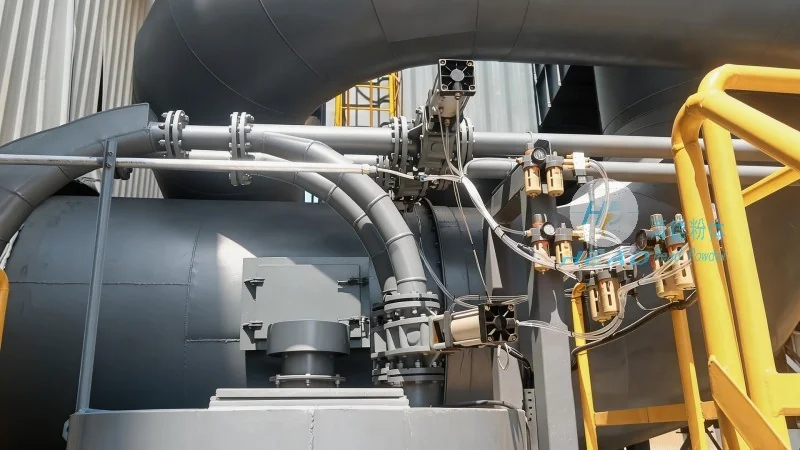
Shandong HeadPowder Engineering Co., Ltd. recognizes that no two manufacturing processes are identical, which is why they offer highly customizable solutions. Their engineers work closely with clients to understand specific production requirements, such as the type of materials, batch sizes, and environmental conditions. This collaborative approach ensures that the final system is optimized for the client's needs, maximizing performance and minimizing downtime.
Customization can include adjustments to the hopper size and material, the type of feeder, the scale capacity, and the control system's features. For example, a food processing plant might require a system designed to handle hygienic materials, with stainless steel components and easy-to-clean surfaces. In contrast, a chemical plant might need a system capable of handling corrosive substances, with specialized sealing and material handling mechanisms.
Integration with existing production lines is another critical aspect. The automatic feeding line can be connected to other equipment, such as mixers, blenders, or packaging machines, creating a seamless production workflow. This integration reduces the need for manual transfers, further improving efficiency and reducing the risk of contamination or material loss.




