

What is a Compound Fertilizer Powder Pneumatic Conveying System? What Are Its Design Principles?
Compound fertilizer powder pneumatic conveying systems are specialized industrial solutions designed to transport bulk solid materials, such as compound fertilizers, from one location to another within a processing facility. These systems leverage the principles of pneumatic transport to efficiently move powders through pipelines, overcoming the challenges of traditional mechanical conveying methods like belt conveyors or screw conveyors. The core of such systems lies in their ability to handle fine, dry powders with minimal dust generation and high operational efficiency.
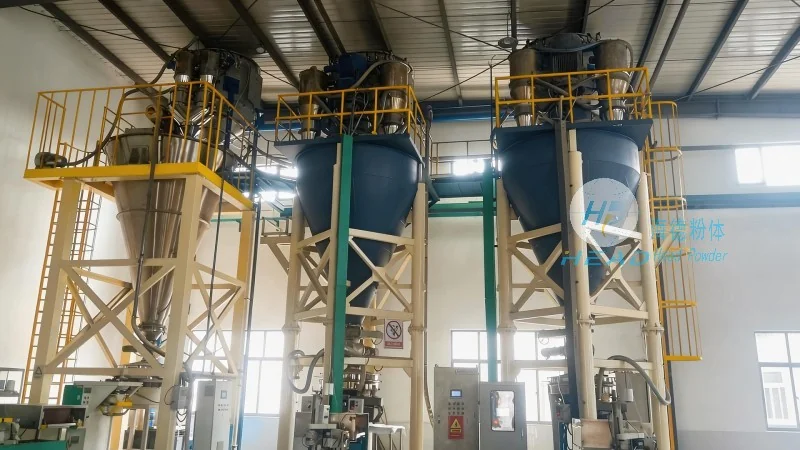
Understanding the Pneumatic Conveying Principle
The fundamental design principle of a compound fertilizer powder pneumatic conveying system is based on the movement of particles within a gas stream. In a typical setup, a fan or blower generates a flow of air that propels the fertilizer particles through a network of pipes. This can be achieved through two primary methods: positive pressure (or pressure) conveying and negative pressure (or vacuum) conveying. Positive pressure systems push air and material through the pipeline, while negative pressure systems draw material into a vacuum and then transport it. The choice between these methods depends on factors like the distance to be covered, the material's properties, and the desired system layout. The system typically includes components such as a feeder, a conveying line, a receiver, and a dust collection system. The feeder ensures a consistent flow of material into the pipeline, while the conveying line transports the material to the destination. The receiver collects the material at the end of the line, and the dust collection system captures any particles that may escape, ensuring environmental compliance and product quality.
Design Considerations for Efficient Operation
Designing an effective compound fertilizer powder pneumatic conveying system requires careful consideration of several key factors. First, the material's physical properties, including particle size, density, and moisture content, play a crucial role in determining the appropriate conveying velocity and pressure. For fine powders like those used in compound fertilizers, higher velocities are often needed to prevent blockages and ensure smooth flow. Second, the system's layout and the distance between the feeder and the receiver must be optimized to minimize energy consumption and maintain material integrity. The pipeline diameter, bends, and fittings also impact the system's performance, as excessive friction or pressure drops can lead to inefficiencies. Additionally, the system must be equipped with proper safety features, such as pressure relief valves and explosion-proof components, to handle the potential hazards associated with powders, especially if they are combustible or reactive. The integration of these design elements ensures that the system operates reliably, with minimal downtime and maintenance requirements.
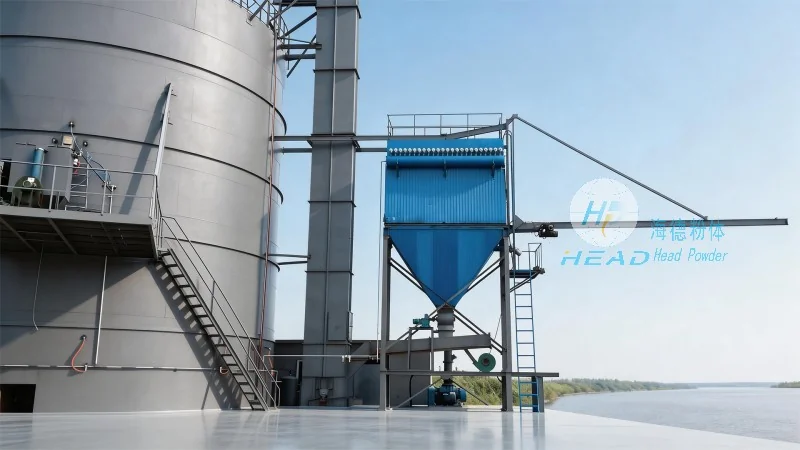
About Shandong HeadPowder Engineering Co., Ltd.
Shandong HeadPowder Engineering Co., Ltd., commonly known as headpowder, is a leading manufacturer and supplier of advanced material handling solutions, including pneumatic conveying systems for the fertilizer industry. HeadPowder is headquartered in Shandong, China, and has established itself as a trusted partner for companies in the agricultural and chemical sectors. With years of experience in the industry, the company specializes in designing, manufacturing, and installing customized pneumatic conveying systems tailored to the specific needs of its clients. HeadPowder's team of engineers and technicians leverages cutting-edge technology and rigorous quality control processes to ensure that each system meets the highest standards of performance and durability. The company's commitment to innovation and customer satisfaction has made it a preferred choice for businesses seeking reliable and efficient material handling solutions for their compound fertilizer production lines.
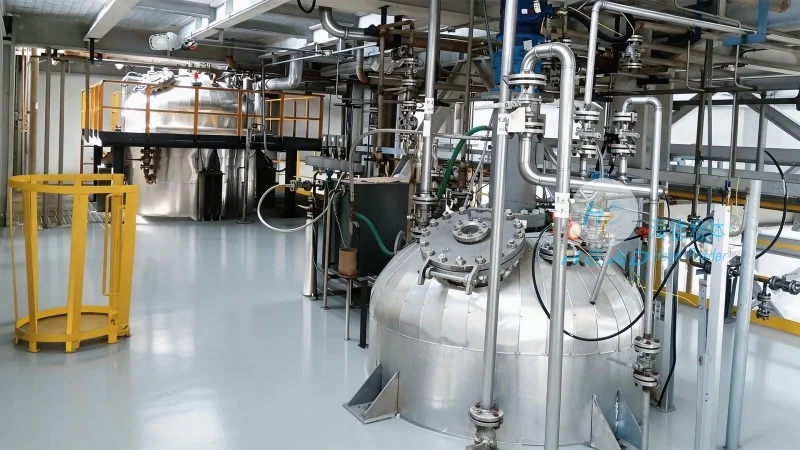
Key Advantages of Pneumatic Conveying Systems
Compared to traditional mechanical conveying methods, compound fertilizer powder pneumatic conveying systems offer several significant advantages. One of the primary benefits is the ability to handle fine powders without the risk of blockages or material degradation. The enclosed pipeline system prevents dust from escaping into the environment, reducing the risk of contamination and improving workplace safety. Additionally, pneumatic conveying systems can transport materials over longer distances with less energy consumption than mechanical systems, making them more cost-effective in the long run. The flexibility of the system allows for easy integration with existing production lines, and the ability to adjust flow rates and pressure ensures optimal performance under varying operating conditions. Furthermore, these systems are less prone to maintenance issues, as they have fewer moving parts compared to mechanical conveyors, resulting in lower downtime and maintenance costs.
Applications in Compound Fertilizer Production
In the context of compound fertilizer production, pneumatic conveying systems are widely used for transporting raw materials, intermediate products, and finished goods. For example, after the mixing and granulation stages, the fine powder is conveyed from the granulation tower to the packaging area using a pneumatic system. This ensures that the material is transported without the risk of segregation or contamination, maintaining the product's quality and consistency. Similarly, during the raw material input stage, bulk fertilizers can be delivered from storage silos to the production line via pneumatic conveying, streamlining the entire process. The efficiency of these systems helps to increase production throughput and reduce labor costs, making them an essential component of modern fertilizer manufacturing facilities. By integrating pneumatic conveying systems into their production processes, fertilizer manufacturers can achieve higher levels of automation and operational efficiency, ultimately enhancing their competitiveness in the market.