

What is a Nitrogen-Protected Powder Pneumatic Conveying Equipment? What Are Its Design Principles?
When it comes to the safe and efficient handling of sensitive powders, especially those that are prone to oxidation or moisture absorption, the use of nitrogen-protected pneumatic conveying equipment has become increasingly important in various industrial sectors. This equipment is specifically designed to transport powders in an inert gas environment, ensuring that the material remains stable and uncontaminated throughout the process. Such systems are widely used by companies like Shandong HeadPowder Engineering Co., Ltd., which specializes in providing high-quality pneumatic conveying solutions tailored to the unique needs of their clients.
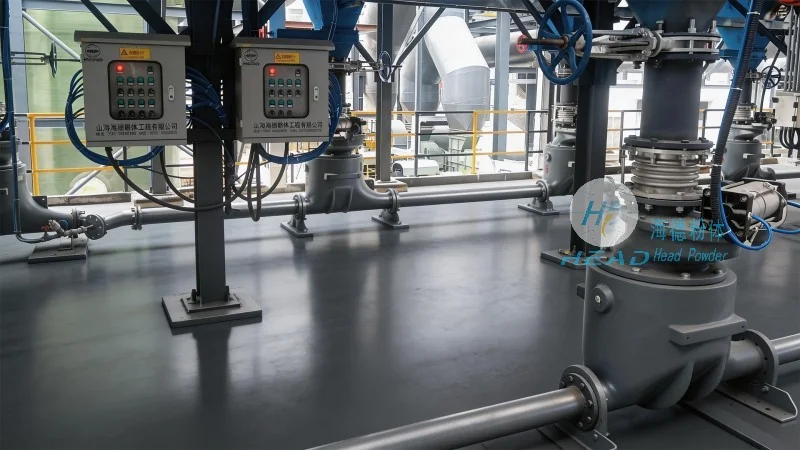
Understanding Nitrogen-Protected Powder Pneumatic Conveying Equipment
A nitrogen-protected powder pneumatic conveying system is a specialized type of equipment used to transport dry powders or bulk materials through a pipeline using a pressurized gas, typically nitrogen. The primary goal of this system is to create an inert atmosphere around the powder, which prevents it from reacting with the surrounding air, moisture, or other contaminants. This is particularly crucial for materials like pharmaceuticals, food products, and certain chemicals that are sensitive to environmental factors. The equipment typically consists of several key components, including a hopper for material storage, a feeder to control the flow rate, a conveying line, and a receiver for the discharged material. The entire system is sealed and pressurized with nitrogen, which displaces the air and creates a protective environment. This design ensures that the powder remains in its original state, maintaining its quality and integrity from the point of origin to the final destination.
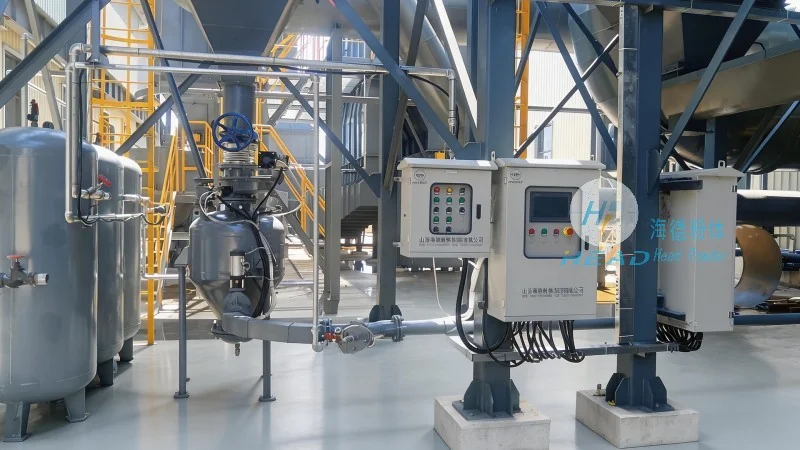
Key Design Principles of Nitrogen-Protected Pneumatic Conveying Systems
The effectiveness of a nitrogen-protected powder pneumatic conveying system relies on several critical design principles. The first and most important principle is the creation of an inert gas environment. By using nitrogen, which is chemically inert and does not support combustion or oxidation, the system prevents the powder from coming into contact with oxygen or moisture. This is essential for maintaining the purity and stability of the material, especially for applications where even minor contamination can have significant consequences. Another crucial design principle is the proper sealing and pressurization of the system. All components, including the hopper, feeder, and conveying line, must be airtight to prevent any leakage of the nitrogen gas or ingress of external air. The system is typically operated at a pressure slightly above atmospheric pressure, ensuring that the nitrogen remains within the system and maintains the protective atmosphere. This requires careful engineering and quality control to ensure that there are no gaps or weaknesses in the system that could compromise its integrity. A third key design principle is the control of material flow and velocity. The system must be designed to handle the specific characteristics of the powder, such as its density, flowability, and particle size. The feeder is designed to provide a consistent flow rate, which is essential for maintaining the stability of the conveying process. The conveying velocity is also carefully controlled to prevent the powder from settling or clogging the pipeline. This is achieved through the use of appropriate nozzle sizes, pressure levels, and system configurations that are tailored to the specific material being transported.
Applications and Benefits of Nitrogen-Protected Pneumatic Conveying
Nitrogen-protected powder pneumatic conveying equipment is widely used in industries where the quality and purity of powders are paramount. In the pharmaceutical industry, for example, such systems are used to transport active pharmaceutical ingredients (APIs) and other sensitive materials that require strict control over their environment. The inert atmosphere ensures that the API remains stable and free from contamination, which is critical for maintaining the efficacy and safety of the final product. In the food industry, nitrogen-protected systems are used to handle powders like cocoa, sugar, and other food additives. The protection against moisture and oxidation helps to preserve the flavor, color, and nutritional value of the food products. Similarly, in the chemical industry, such systems are used to transport chemicals that are sensitive to air or moisture, ensuring that the chemical properties of the material are preserved throughout the conveying process. The benefits of using nitrogen-protected pneumatic conveying systems extend beyond just maintaining the quality of the material. These systems also offer improved safety compared to traditional conveying methods. By eliminating the need for open-air handling, the risk of dust explosions or fires is significantly reduced. The sealed system also helps to prevent the release of dust into the environment, improving workplace safety and compliance with environmental regulations.
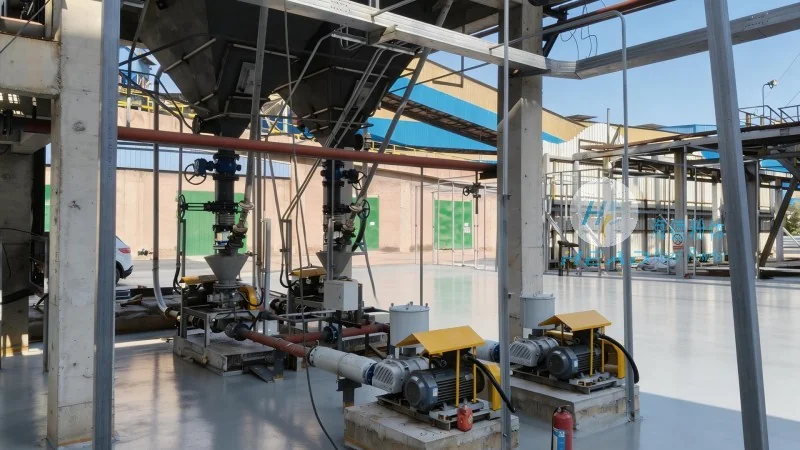
Conclusion
Nitrogen-protected powder pneumatic conveying equipment is a sophisticated and essential tool for industries that handle sensitive powders. By understanding the design principles and applications of such systems, businesses can ensure that their materials are transported safely and efficiently, maintaining their quality and integrity throughout the process. As technology continues to advance, these systems are becoming more efficient and cost-effective, making them an increasingly popular choice for a wide range of industrial applications. Shandong HeadPowder Engineering Co., Ltd. is committed to providing reliable and innovative solutions that meet the highest standards of quality and performance in the field of pneumatic conveying.