Understanding the principles of pneumatic conveying for fine sand and gravel materials is crucial for industries that rely on efficient material handling solutions. This article delves into the core concepts of pneumatic conveying systems, focusing on the design principles that ensure optimal performance and reliability. By exploring the technical aspects and practical applications, we aim to provide a comprehensive overview that caters to professionals seeking to enhance their material handling processes.
Pneumatic Conveying Basics for Fine Materials
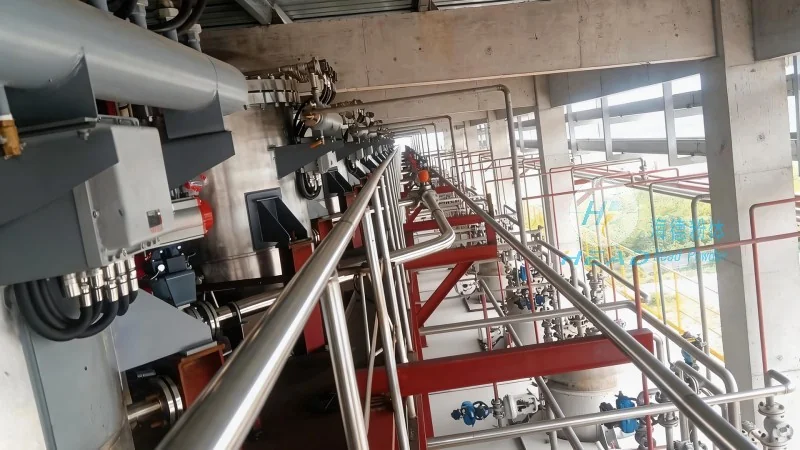
Pneumatic conveying is a method of transporting bulk materials through a pipeline using a gas stream, typically air or other gases. For fine sand and gravel, this technology offers several advantages over traditional mechanical conveying systems. The primary benefit is the ability to transport materials without direct contact with mechanical components, reducing wear and tear on equipment. Additionally, pneumatic systems can handle a wide range of particle sizes and densities, making them versatile for various industrial applications. The process involves creating a pressure differential within the pipeline, which propels the material forward. This is achieved through either positive pressure (where air is blown into the system) or negative pressure (where air is drawn out), depending on the specific requirements of the material and the system design.
Key Design Principles for Fine Sand and Gravel Conveying
The design of a pneumatic conveying system for fine sand and gravel must consider several critical factors to ensure efficiency and durability. First, the particle size and density of the material play a significant role in determining the appropriate conveying velocity and pressure. Fine particles, such as sand, tend to have higher friction and are more prone to clogging, which requires careful selection of system components like cyclones, filters, and valves. The system must be designed to maintain a consistent flow rate, preventing blockages and ensuring smooth material transport. Another crucial principle is the selection of the appropriate air velocity. Too low a velocity may cause material settling or clogging, while too high a velocity can lead to excessive energy consumption and equipment wear. Engineers typically use empirical formulas and computational fluid dynamics (CFD) simulations to determine the optimal air velocity for a given material.
Components and System Configuration
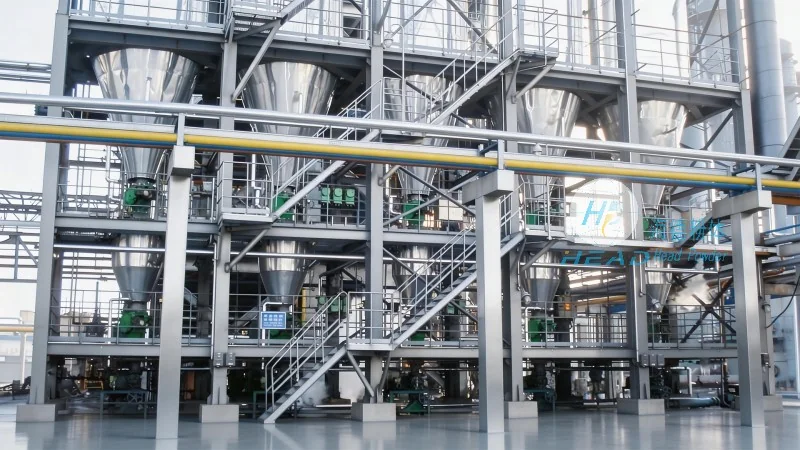
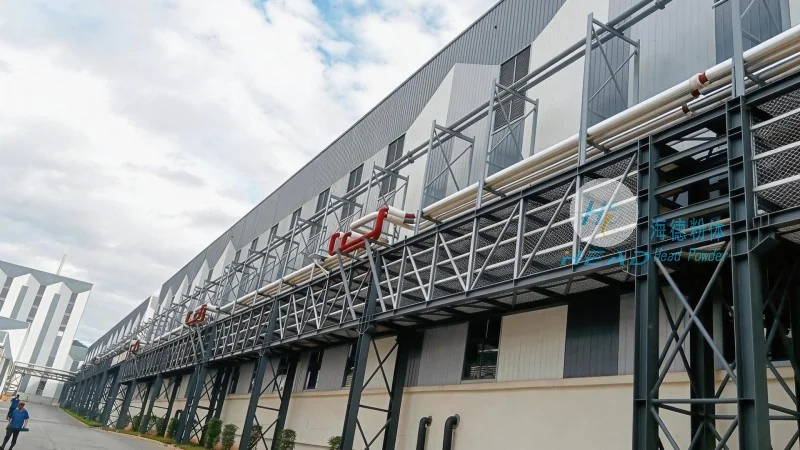
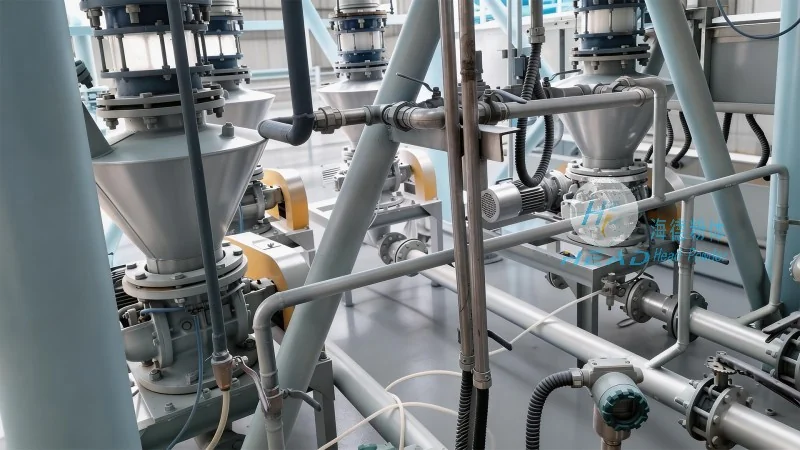
A pneumatic conveying system for fine sand and gravel typically consists of several key components. The primary elements include a material feed hopper, a conveying pipeline, a pressure or vacuum source, and a collection or discharge unit. The feed hopper is designed to introduce the material into the system at a controlled rate, preventing overloading and ensuring consistent flow. The pipeline is usually made of materials like stainless steel or plastic, chosen for their resistance to corrosion and wear from fine particles. The pressure source, such as a blower or compressor, generates the necessary air flow to move the material. Cyclones are often used as separation devices to remove the material from the air stream, allowing the air to be recirculated or discharged. Filters are also essential to prevent dust and fine particles from escaping into the environment, ensuring compliance with environmental regulations.
Material Handling Challenges and Solutions
Handling fine sand and gravel with pneumatic systems presents unique challenges that must be addressed through thoughtful design. One major challenge is the tendency of fine particles to agglomerate or form clumps, which can obstruct the pipeline and reduce system efficiency. To mitigate this, the system may include a de-agglomeration device, such as a rotary valve or a vibratory feeder, to break up the material before it enters the pipeline. Another challenge is the risk of dust generation and air pollution. Effective dust control measures, including high-efficiency filters and proper ventilation, are critical to maintaining a safe and clean working environment. Additionally, the system must be designed to handle variations in material properties, such as changes in moisture content or particle size distribution, which can affect the conveying performance. Adaptive control systems and real-time monitoring can help maintain optimal operation under varying conditions.
Applications and Industry Use Cases
Pneumatic conveying systems for fine sand and gravel are widely used in various industries, including construction, mining, and manufacturing. In the construction industry, these systems are commonly employed to transport sand and gravel for concrete production, ensuring a consistent supply of raw materials to mixing plants. In mining operations, pneumatic conveyors are used to transport crushed ore and fine particles from processing plants to storage or further processing facilities. The manufacturing sector also benefits from these systems, particularly in the production of ceramics and glass, where fine sand and gravel are used as raw materials. The versatility of pneumatic conveying makes it suitable for applications where traditional mechanical systems may be less effective or efficient. By providing a reliable and efficient method of material transport, these systems contribute to improved productivity and reduced operational costs.
Conclusion and Recommendations
In conclusion, pneumatic conveying for fine sand and gravel materials is a sophisticated technology that requires careful consideration of design principles and system components. The key to successful implementation lies in understanding the material properties, selecting appropriate components, and maintaining optimal operating conditions. For industries seeking to enhance their material handling capabilities, investing in a well-designed pneumatic conveying system can lead to significant improvements in efficiency, reliability, and cost-effectiveness. As a leading provider in the field, Shandong HeadPowder Engineering Co., Ltd. specializes in the design and manufacturing of such systems, leveraging years of experience to deliver tailored solutions that meet the specific needs of clients. With a focus on quality and innovation, HeadPowder continues to advance the technology of pneumatic conveying, helping businesses achieve their operational goals while maintaining environmental compliance.




