

Gypsum Raw Material Pneumatic Conveying: What It Is and Its Design Principles
Gypsum, a widely used industrial material, often requires efficient and reliable transport methods for processing and distribution. Pneumatic conveying has emerged as a critical technology in handling gypsum raw materials, offering advantages such as reduced contamination, lower energy consumption, and enhanced safety compared to traditional methods. This article delves into the fundamentals of gypsum raw material pneumatic conveying, exploring its operational mechanisms and the key design principles that ensure optimal performance. Shandong HeadPowder Engineering Co., Ltd., a leading provider of industrial material handling solutions, specializes in designing and implementing pneumatic conveying systems for gypsum and other bulk materials.
Understanding Gypsum Raw Material Pneumatic Conveying
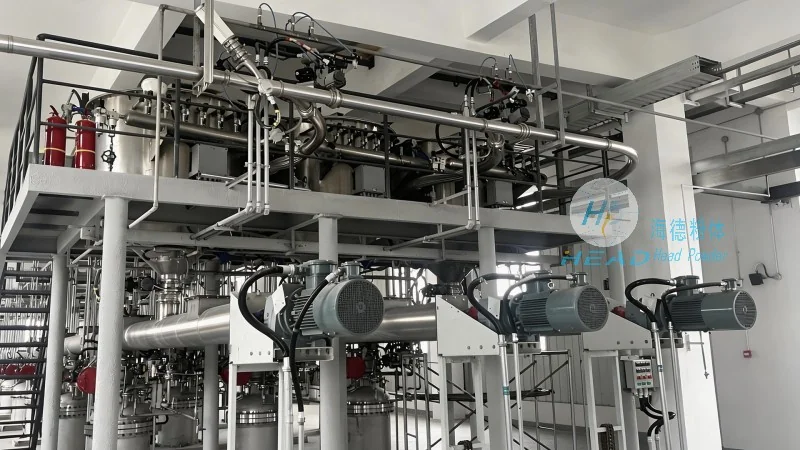
Gypsum, chemically known as calcium sulfate dihydrate (CaSO₄·2H₂O), is a soft mineral that serves as a primary ingredient in construction materials like drywall, plaster, and cement. Its handling poses unique challenges due to its particle size, moisture content, and flow characteristics. Pneumatic conveying systems address these challenges by using air or other gases to transport gypsum particles through a pipeline network. This method eliminates the need for mechanical components like belts or buckets, minimizing wear and tear and reducing the risk of material degradation.
The Core Design Principles of Pneumatic Conveying Systems
The effectiveness of a pneumatic conveying system for gypsum raw materials depends on several fundamental design principles. First, the system must be tailored to the specific physical properties of gypsum, including particle size distribution, bulk density, and moisture content. These parameters influence the air velocity required to maintain particle suspension and prevent blockages. Second, the system design considers the distance and layout of the conveying line, as longer or more complex routes demand higher air pressure and more robust equipment to maintain material flow. Third, the choice of air compressor and filtration system is critical, as they must provide sufficient air volume and pressure while ensuring clean air to prevent contamination of the gypsum product. Additionally, the system incorporates features like cyclone separators and rotary airlocks to separate the conveyed material from the air stream and control the flow rate, respectively.
Key Components and Their Roles in Gypsum Pneumatic Conveying
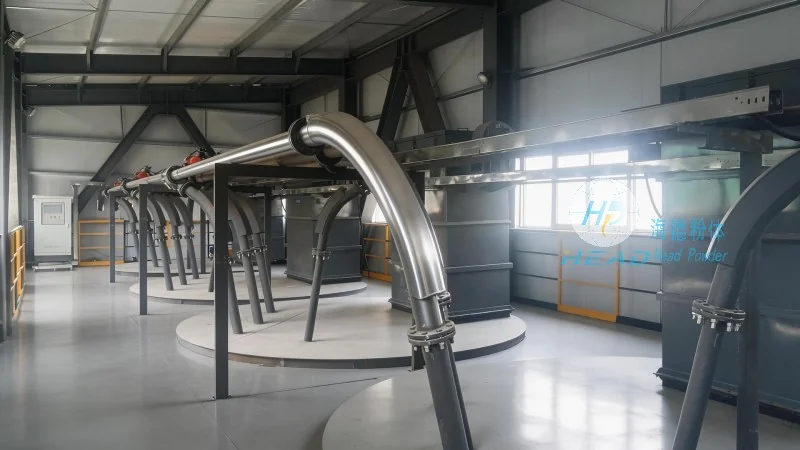
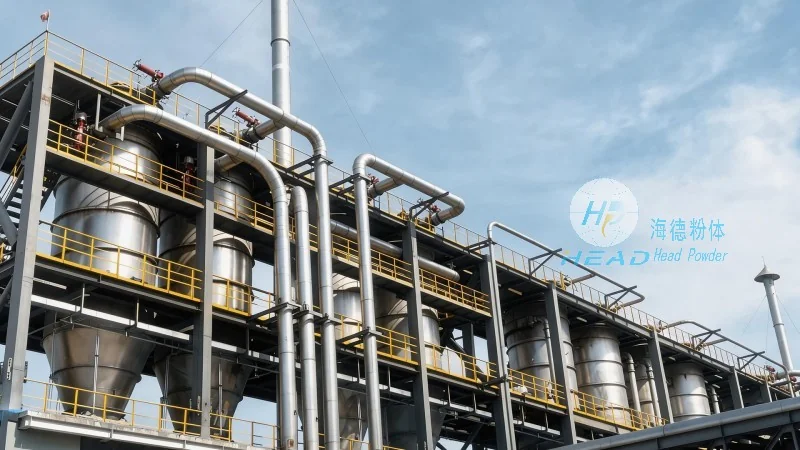
Several key components work in tandem to ensure the smooth operation of a gypsum raw material pneumatic conveying system. The air compressor, typically a positive displacement type, generates the necessary pressure to move the gypsum particles through the pipeline. It must be capable of delivering consistent air flow and pressure to maintain stable material transport. The pipeline itself is constructed from materials resistant to gypsum's chemical properties, such as stainless steel or coated steel, to prevent corrosion and material buildup. Cyclone separators, positioned at the end of the conveying line, use centrifugal force to separate the gypsum particles from the air, collecting the material in a hopper for further processing. Rotary airlocks, located at transfer points or at the system's end, regulate the flow of material into or out of the pipeline, preventing backflow and ensuring a controlled discharge rate. Finally, the system includes filtration and dust collection equipment to maintain air quality and comply with environmental regulations, as gypsum dust can be a health hazard if not properly managed.
Advantages of Pneumatic Conveying for Gypsum Processing
Compared to traditional conveying methods, pneumatic conveying offers several advantages for gypsum raw material handling. One of the most significant benefits is the reduction in material contamination, as the system is enclosed and isolated from external sources. This is particularly important for gypsum, which is often used in food and pharmaceutical applications where purity is paramount. Additionally, pneumatic conveying minimizes labor costs and operational downtime, as there are fewer mechanical parts to maintain or replace. The system also provides better control over the flow rate and pressure, allowing for precise adjustment to meet production requirements. Furthermore, the enclosed nature of the system enhances safety by preventing dust exposure and reducing the risk of accidents associated with manual handling of bulk materials.
Applications and Industries Utilizing Gypsum Pneumatic Conveying
Gypsum raw material pneumatic conveying is widely adopted across various industries that rely on gypsum as a raw material. In the construction sector, it is used to transport gypsum for drywall manufacturing, where the material is processed into panels for building interiors. The food industry also utilizes this technology to handle gypsum in food products, such as in the production of cheese and other dairy items, where the material acts as a coagulant. Additionally, the pharmaceutical industry employs pneumatic conveying for gypsum in the formulation of certain medications, requiring strict contamination control. Other applications include the chemical industry, where gypsum is used in the production of plaster and other building materials, and the agricultural sector, where gypsum is applied as a soil amendment to improve soil structure and nutrient availability.
Conclusion: The Importance of Proper Design and Implementation
Gypsum raw material pneumatic conveying is a sophisticated technology that plays a vital role in the efficient and safe handling of this essential industrial material. The success of such systems depends on adhering to fundamental design principles, selecting appropriate components, and ensuring proper maintenance. By leveraging the advantages of pneumatic conveying, industries can enhance productivity, reduce costs, and maintain high standards of material quality and safety. As the demand for gypsum continues to grow, the adoption of advanced pneumatic conveying systems will remain critical in meeting the evolving needs of the construction, food, pharmaceutical, and other industries that rely on this versatile mineral.