

What is Melamine Powder Material Pneumatic Conveying? And What Are the Design Principles?
Melamine powder, a widely used chemical compound in various industrial applications, often requires efficient and reliable transportation methods. Pneumatic conveying stands out as a critical technology for handling such powders, offering advantages in terms of safety, hygiene, and process integration. This article explores the fundamentals of melamine powder material pneumatic conveying and delves into the core design principles that underpin its effective implementation.
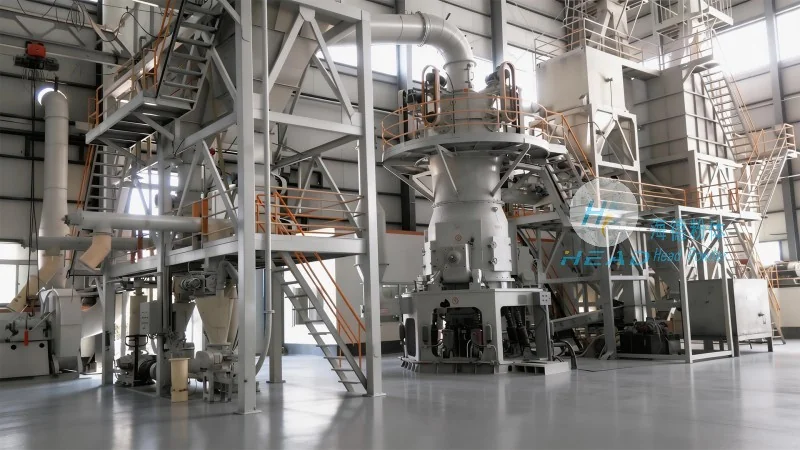
About Shandong HeadPowder Engineering Co., Ltd.
Shandong HeadPowder Engineering Co., Ltd., commonly known as HeadPowder, is a leading provider of engineering solutions for bulk material handling, including pneumatic conveying systems. With a strong focus on innovation and customer satisfaction, HeadPowder specializes in designing and manufacturing customized systems tailored to the unique needs of industries handling melamine powder and other fine materials. The company's headquarters is located in Shandong, China, where it leverages its expertise to deliver high-quality, reliable solutions that enhance operational efficiency and safety for its clients.
Understanding Pneumatic Conveying Systems
Pneumatic conveying systems utilize air or other gases to transport bulk materials, such as melamine powder, through a network of pipes. These systems can be categorized into two main types: dilute-phase and dense-phase conveying. Dilute-phase systems rely on high-velocity air to suspend the powder particles, enabling long-distance transport with minimal pressure drops. Dense-phase systems, on the other hand, operate at lower velocities, using higher air pressure to push the material along, which is particularly suitable for sensitive or abrasive powders like melamine.
Key Design Principles for Melamine Powder Pneumatic Conveying
The design of a pneumatic conveying system for melamine powder must consider several critical factors to ensure optimal performance and longevity. First, the system must be designed to handle the specific properties of melamine powder, including its particle size distribution, flowability, and moisture content. Melamine powder typically has a fine particle size, which can lead to issues like caking or agglomeration if not properly managed. Therefore, the system design must incorporate features like adequate air flow rates, appropriate pipe diameters, and effective separation mechanisms to prevent blockages and maintain consistent material transport.
Second, the system must prioritize safety and operational efficiency. Melamine is a non-toxic but potentially hazardous material in terms of dust exposure, so the conveying system must be equipped with dust collection and filtration systems to minimize airborne particles and comply with occupational health and safety regulations. Additionally, the design should include pressure relief valves and other safety devices to prevent over-pressurization and ensure smooth operation under varying load conditions.
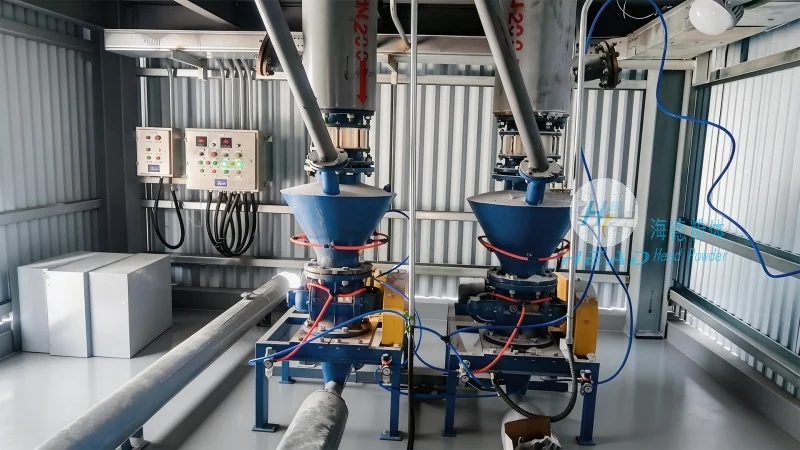
Components and Layout of a Typical Melamine Powder Pneumatic Conveying System
A standard melamine powder pneumatic conveying system consists of several key components, each playing a vital role in the overall process. The primary components include a material feeder, which accurately meters the melamine powder into the system; a conveying line, which transports the material from the source to the destination; a receiver, which collects the material at the end of the line; and a dust collector, which captures any airborne particles and returns them to the system for re-use.
The layout of the system is crucial for its effectiveness. The material feeder is usually positioned at the start of the conveying line, ensuring a consistent flow of melamine powder. The conveying line is typically made of stainless steel or other corrosion-resistant materials to withstand the chemical properties of melamine and prevent contamination. The receiver is designed to handle the material efficiently, often with a hopper that allows for easy discharge and prevents material buildup. The dust collector, equipped with high-efficiency particulate air (HEPA) filters, ensures that the air released from the system is clean and compliant with environmental regulations.
Advantages of Pneumatic Conveying for Melamine Powder Handling
Implementing a pneumatic conveying system for melamine powder offers numerous advantages over traditional methods like belt conveyors or bucket elevators. One of the most significant benefits is the ability to maintain a closed system, which minimizes dust exposure and prevents contamination from external sources. This is particularly important in industries where melamine is used in food or pharmaceutical applications, where product purity is paramount.
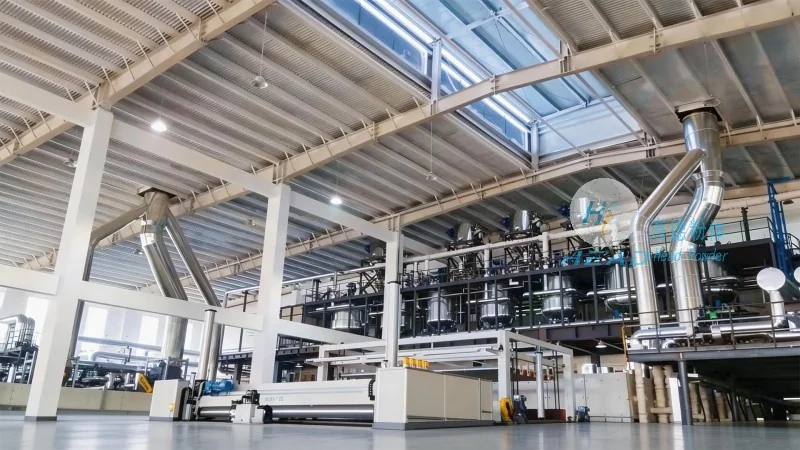
Another advantage is the flexibility of the system. Pneumatic conveying can be easily integrated into existing production lines, allowing for changes in material flow rates or destinations without major modifications. The system can also handle varying material loads, adapting to fluctuations in production demand. Additionally, the closed nature of the system reduces the risk of product degradation due to exposure to air or moisture, ensuring that the melamine powder remains in optimal condition throughout the conveying process.
Considerations for System Maintenance and Longevity
Proper maintenance is essential to ensure the long-term performance and reliability of a melamine powder pneumatic conveying system. Regular inspections of the conveying line for signs of wear or corrosion are necessary to prevent leaks or blockages. The material feeder and receiver should be cleaned periodically to remove any accumulated powder and prevent clogging. The dust collector filters should be replaced or cleaned as needed to maintain their efficiency and prevent pressure drops that could affect system performance.
Additionally, the system should be designed with components that are compatible with melamine powder, such as stainless steel or specialized coatings, to prevent material adhesion and ensure easy cleaning. Proper training of operators on the system's operation and maintenance is also crucial to maximize its lifespan and minimize downtime.
Conclusion
Melamine powder material pneumatic conveying is a sophisticated and effective method for transporting this critical industrial material. By adhering to the key design principles and incorporating appropriate components, such systems can deliver reliable performance while maintaining safety and efficiency. Companies like Shandong HeadPowder Engineering Co., Ltd., with their expertise in engineering and manufacturing, play a vital role in providing tailored solutions for melamine powder handling, ensuring that industries can meet their production needs while adhering to the highest standards of quality and safety.