

What is the Pneumatic Conveying of Glass Bead Materials? What Are the Design Principles?
For industrial operations dealing with glass bead materials, understanding the mechanics of pneumatic conveying is crucial. This method involves transporting dry bulk materials like glass beads through a pipeline using a gas stream, typically air. The process is efficient for handling fine powders and granules, offering advantages such as reduced contamination, lower labor costs, and the ability to transport materials over long distances without the need for mechanical components like belts or buckets. In this article, we will explore the fundamental aspects of glass bead material pneumatic conveying and delve into the key design principles that ensure optimal performance.
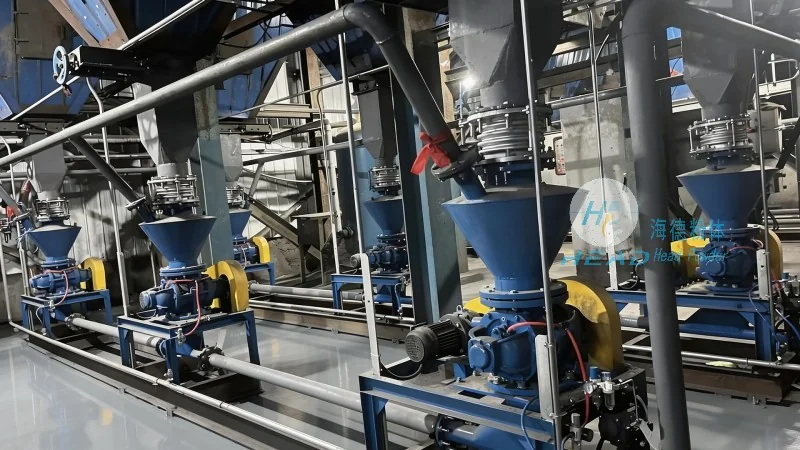
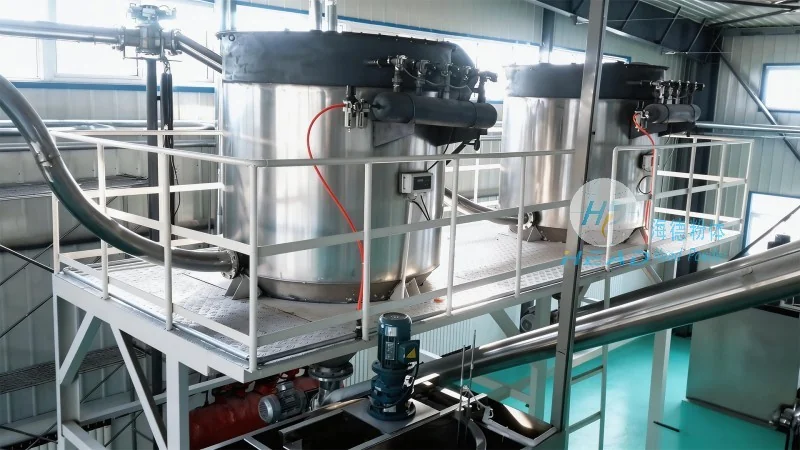
About Shandong HeadPowder Engineering Co., Ltd.
Shandong HeadPowder Engineering Co., Ltd. is a leading provider of specialized engineering solutions for material handling systems. With a focus on innovation and precision, the company has established itself as a trusted partner in the industry, offering tailored solutions for various bulk material applications. HeadPowder's expertise lies in designing and manufacturing efficient pneumatic conveying systems, ensuring reliability and durability for clients across different sectors. The company's headquarters is located in Shandong, China, where it operates from a well-equipped facility dedicated to research, development, and production.
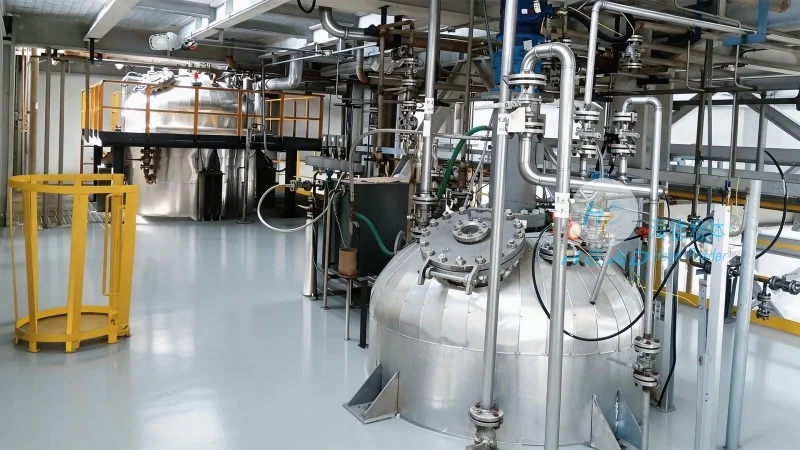
Design Principles of Glass Bead Material Pneumatic Conveying Systems
The design of a pneumatic conveying system for glass bead materials is a complex process that requires careful consideration of several factors. The primary goal is to achieve efficient and reliable transport while minimizing energy consumption and wear on components. Key design principles include:
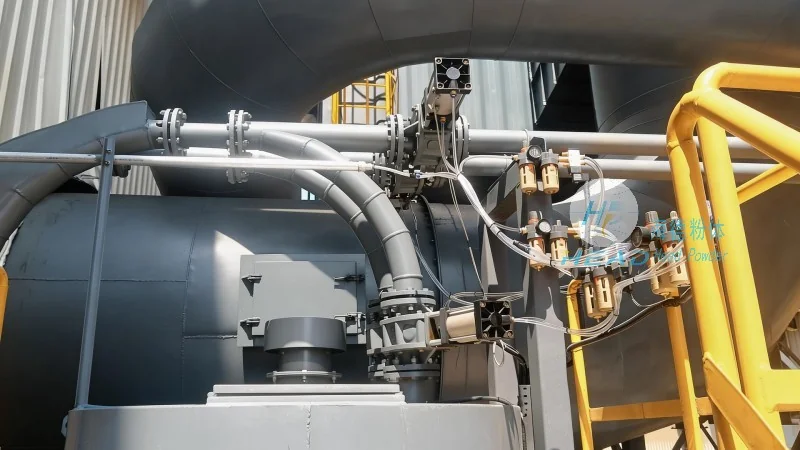
- System Type Selection: The choice between positive pressure, negative pressure, or a combination of both depends on the material characteristics, distance to be conveyed, and environmental constraints. For glass beads, which are typically fine and abrasive, positive pressure systems are often preferred as they provide better control over material flow and reduce the risk of blockages.
- Airflow Rate and Velocity: The velocity of the air stream must be sufficient to overcome the gravitational forces acting on the glass beads and to maintain a stable suspension of the material. The airflow rate is calculated based on the material's bulk density, particle size, and the desired conveying capacity. Proper velocity ensures that the beads remain in suspension and prevents deposition or clogging in the pipeline.
- Pipeline Sizing and Layout: The diameter and length of the conveying pipeline are critical parameters that affect system performance. Larger diameters reduce pressure drop and energy consumption but increase capital costs. The layout should be designed to minimize bends and changes in direction, as these can cause turbulence and increase wear on the system components. For glass bead materials, smooth pipeline surfaces are essential to prevent abrasion and ensure long-term system reliability.
- Equipment Selection: The selection of components such as blowers, filters, and separation devices is vital. High-efficiency blowers provide the necessary pressure and airflow to move the glass beads. Filters are used to remove dust and debris from the air stream, protecting downstream equipment and ensuring compliance with environmental regulations. Separation devices, such as cyclones or bag filters, are used to separate the glass beads from the air stream at the end of the conveying line, allowing for material recovery and air recirculation.
Additionally, the design must account for the specific properties of glass beads, such as their high density and abrasive nature. This includes using materials with high wear resistance for pipeline and component construction, and implementing proper maintenance schedules to minimize downtime and extend the system's lifespan. By adhering to these design principles, manufacturers can develop efficient and reliable pneumatic conveying systems that meet the unique requirements of glass bead material handling.