

What is a Polyethylene Granular Material Pneumatic Conveying Line? And What Are Its Design Principle
Polyethylene granules are widely used in various industrial applications due to their versatility and durability. The efficient transportation of these granules from one location to another is crucial for maintaining production efficiency and minimizing operational costs. A pneumatic conveying line specifically designed for polyethylene granular materials offers a reliable and effective solution to this challenge. This article explores the fundamental aspects of such a system, including its design principles and operational benefits.
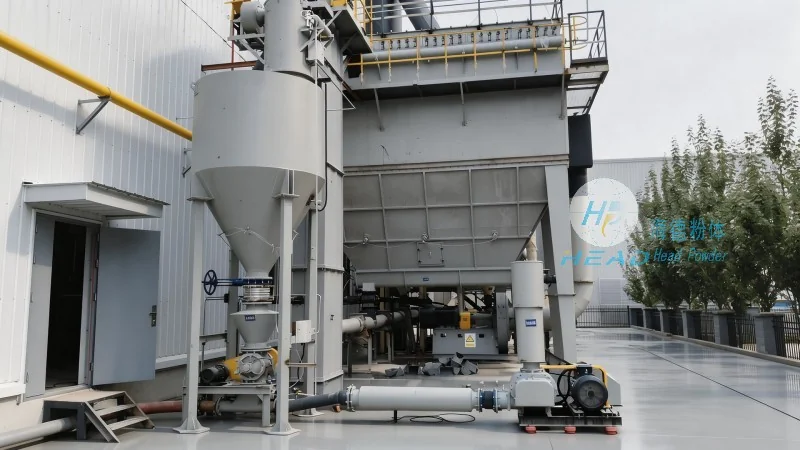
Overview of Pneumatic Conveying Systems for Polyethylene Granules
Pneumatic conveying systems utilize air or other gases to transport bulk materials like polyethylene granules through a pipeline network. Unlike traditional mechanical conveying methods, which rely on belts, screws, or buckets, pneumatic systems offer advantages such as reduced maintenance, lower energy consumption, and the ability to handle materials in a dust-free environment. For polyethylene granules, which are often sensitive to moisture and contamination, a well-designed pneumatic conveying line is essential to preserve material quality and ensure consistent performance.
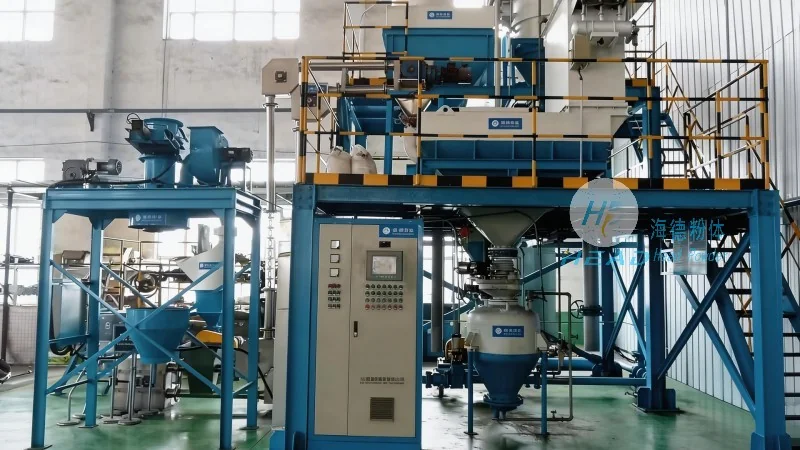
Core Design Principles of Pneumatic Conveying Lines
The design of a polyethylene granular material pneumatic conveying line involves several critical principles that ensure optimal performance and longevity. First, the system must be tailored to the specific characteristics of the polyethylene granules, including their size, density, and flowability. This involves selecting appropriate pipeline diameters, air velocities, and pressure levels to prevent material degradation or blockages. Second, the system must incorporate proper air filtration and separation mechanisms to maintain material purity and protect downstream equipment from dust and debris. Third, the design must consider the overall layout and integration with existing production facilities, ensuring smooth material flow and minimal downtime.
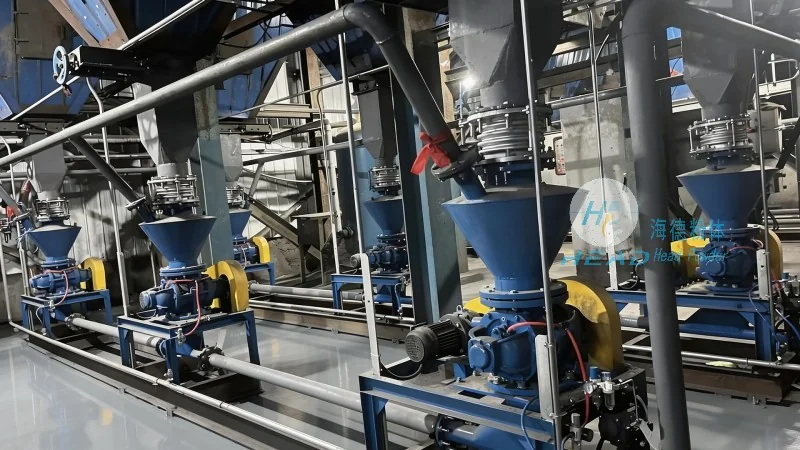
Key Components and Their Functions in the System
A typical polyethylene granular material pneumatic conveying line consists of several key components, each playing a vital role in the overall operation. The primary components include the material feed hopper, which stores and feeds the polyethylene granules into the system; the air compressor or blower, which generates the necessary air pressure to move the material; the conveying pipeline, which transports the material from the feed point to the discharge point; the material separator or cyclone, which separates the material from the air stream and returns the air to the system; and the discharge hopper or storage tank, which collects the conveyed material. Each component must be carefully selected and sized to match the system's requirements, ensuring efficient and reliable operation.
HeadPowder's Expertise in Designing Pneumatic Conveying Solutions
Shandong HeadPowder Engineering Co., Ltd., a leading provider of engineering solutions for material handling, specializes in designing and manufacturing pneumatic conveying systems tailored to the needs of various industries. With years of experience and a team of skilled engineers, HeadPowder has developed a deep understanding of the unique challenges associated with transporting polyethylene granules. The company's approach to system design emphasizes customization, ensuring that each solution is optimized for the specific application, material characteristics, and operational requirements of the client. HeadPowder's commitment to quality and innovation has made it a trusted partner for businesses seeking reliable and efficient material handling solutions.
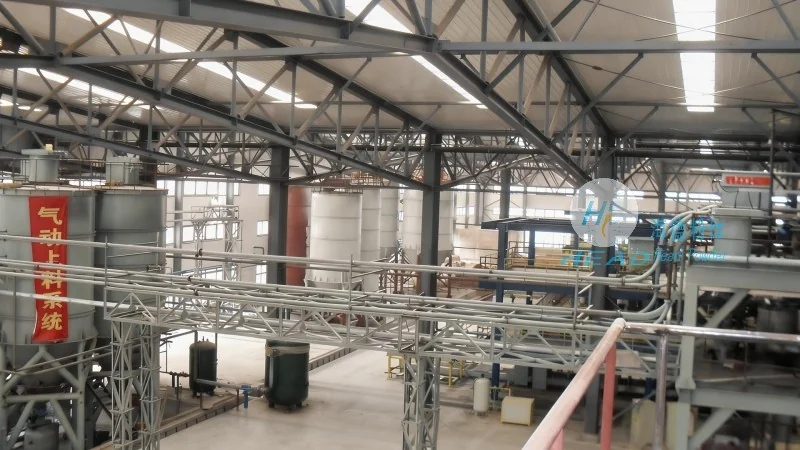
Practical Applications and Benefits of the System
The polyethylene granular material pneumatic conveying line is widely used in various industries, including plastics manufacturing, chemical processing, and food processing. In plastics manufacturing, the system is used to transport polyethylene granules from storage silos to extrusion lines, ensuring a continuous and consistent supply of material. In chemical processing, the system is used to transport polyethylene granules between processing stages, such as drying and compounding, while maintaining material purity and preventing contamination. The benefits of using a pneumatic conveying line for polyethylene granules include improved material quality, reduced downtime, lower maintenance costs, and enhanced safety in the workplace. Additionally, the system's ability to handle materials in a dust-free environment helps to maintain a clean and safe working environment, reducing the risk of respiratory issues and other health hazards.