

What is an Epoxy Resin Material Pneumatic Conveying System? And What Are Its Design Principles?
Epoxy resin material pneumatic conveying systems are specialized industrial equipment designed to transport epoxy resin powders or granules through a pipeline using compressed air or other gas. These systems are widely used in various industries, including manufacturing, construction, and chemical processing, where the efficient and safe handling of epoxy resin materials is crucial. The core of such systems lies in the seamless integration of components that ensure reliable material transport, minimal product degradation, and optimal operational efficiency.
Understanding the Core Components of Epoxy Resin Pneumatic Conveying Systems
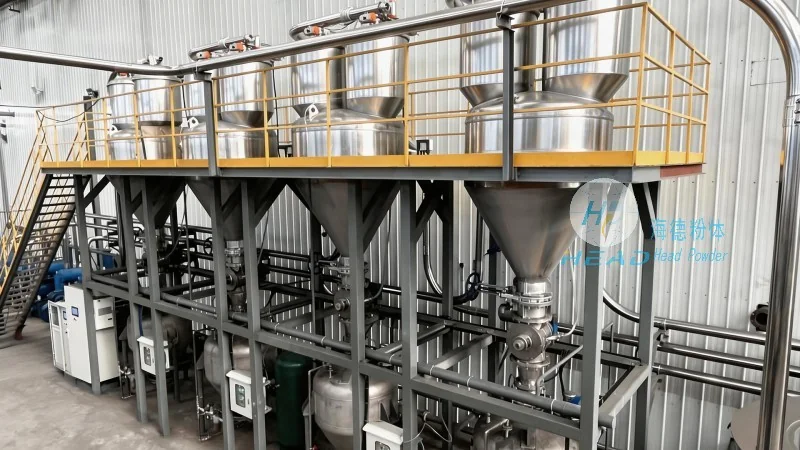
At the heart of an epoxy resin material pneumatic conveying system are several key components that work in tandem to achieve effective material transport. The primary components include the material hopper, which serves as the storage and feeding unit for the epoxy resin. This hopper is equipped with a feeding valve or screw feeder to control the flow rate of the material into the system. The hopper is typically designed with a smooth interior to prevent material buildup and ensure consistent feeding.
Next, the conveying line itself, which consists of a series of pipes or tubes that transport the epoxy resin. The choice of material for the conveying line is critical, as it must be compatible with epoxy resin and resistant to chemical corrosion. Common materials include stainless steel, polyethylene, or specialized coatings that prevent material adhesion and ensure easy cleaning. The line is often equipped with pressure vessels or receivers at the end to collect the conveyed material, reducing the velocity of the material and allowing it to settle before discharge.
A critical component is the air compressor or blower, which generates the necessary pressure to move the epoxy resin through the system. The selection of the compressor depends on the material's properties, such as its density, flowability, and particle size. For epoxy resin, which can be fine powders or coarse granules, the system may require either positive displacement or centrifugal blowers, depending on the required flow rate and pressure. The air compressor is typically connected to a filter system to remove contaminants from the air, ensuring that the epoxy resin remains clean and free from impurities.
Additionally, the system may include a cyclone separator or a bag filter at the receiving end to separate the epoxy resin from the air stream. This separation is essential to prevent material loss and maintain the purity of the conveyed product. The cyclone separator works by using centrifugal force to separate the heavier resin particles from the lighter air, while the bag filter uses fabric bags to trap fine particles, ensuring that the air is clean before it is released back into the environment or recirculated.
The Design Principles Behind Epoxy Resin Pneumatic Conveying Systems
The design of an epoxy resin material pneumatic conveying system is governed by several fundamental principles aimed at optimizing performance, safety, and efficiency. The first principle is the selection of the appropriate conveying method, which can be classified into two main types: dilute phase and dense phase. Dilute phase conveying uses low air velocities to transport the material, resulting in high flow rates and low pressure drops. This method is suitable for fine powders like epoxy resin, where the material is suspended in the air stream. Dense phase conveying, on the other hand, uses higher air velocities and lower air-to-material ratios to transport the material in a more compact form, reducing the risk of material degradation and ensuring a more stable flow.
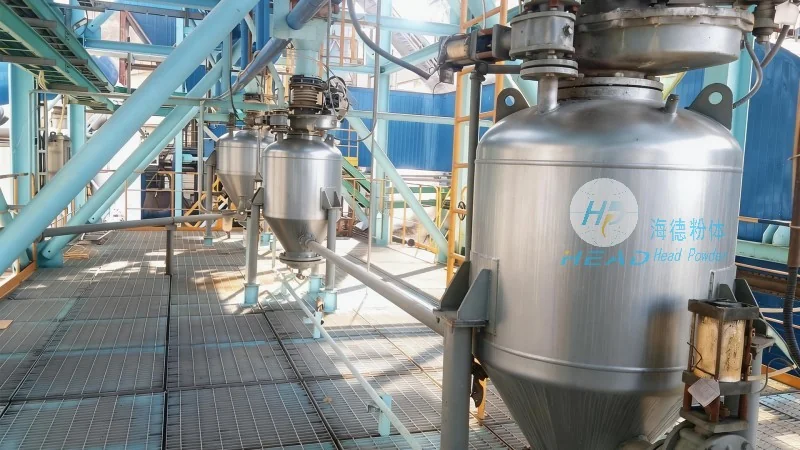
A key design consideration is the air-to-material ratio, which is the ratio of the volume of air to the volume of material being conveyed. This ratio is critical in determining the system's efficiency and the pressure required for operation. For epoxy resin, a typical air-to-material ratio ranges from 5:1 to 15:1, depending on the material's properties and the desired flow rate. The design must also account for the material's density and flowability, as these factors affect the pressure drop along the conveying line and the power consumption of the air compressor.
Another important design principle is the system's pressure drop, which is the difference in pressure between the inlet and outlet of the conveying line. The pressure drop is influenced by the length and diameter of the pipe, the number of bends and fittings, and the material's properties. A high pressure drop can lead to increased energy consumption and reduced system efficiency, while a low pressure drop may result in insufficient material transport. Therefore, the design must optimize the pipe diameter and layout to minimize pressure drop while ensuring the required flow rate.
Material handling safety is also a critical design consideration. Epoxy resin can be hazardous if not handled properly, as it may release fumes or cause skin irritation. The system must be designed with safety features such as explosion-proof components, pressure relief valves, and proper ventilation to prevent the accumulation of flammable vapors. Additionally, the system should include monitoring equipment to track pressure, flow rate, and temperature, ensuring that any abnormalities are detected and addressed promptly.
HeadPowder Engineering Co., Ltd.: Expertise in Epoxy Resin Pneumatic Conveying Solutions
Shandong HeadPowder Engineering Co., Ltd., commonly known as HeadPowder, is a leading provider of industrial equipment and solutions for the handling of epoxy resin materials. With a strong focus on innovation and customer satisfaction, HeadPowder has established itself as a trusted partner in the manufacturing and processing industries. The company's expertise lies in the design, manufacturing, and installation of pneumatic conveying systems tailored to the specific needs of clients, ensuring that each system is optimized for performance, reliability, and safety.
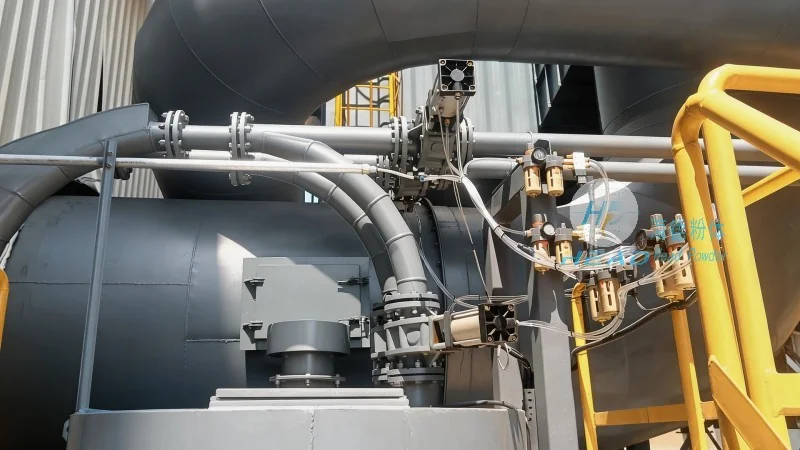
HeadPowder's team of experienced engineers and technicians works closely with clients to understand their operational requirements and material characteristics. This collaborative approach allows the company to develop customized solutions that address the unique challenges of each application. For epoxy resin material handling, HeadPowder offers a range of systems, including both dilute phase and dense phase conveying options, as well as advanced filtration and separation technologies to ensure the highest quality of the conveyed product.
The company's facilities are located in Shandong, China, where it has invested in state-of-the-art manufacturing equipment and quality control processes. This infrastructure enables HeadPowder to produce high-quality equipment that meets international standards and complies with industry regulations. The company's commitment to quality is reflected in its ISO certification and its adherence to strict quality control protocols throughout the production process.
HeadPowder's customer-centric approach is evident in its after-sales support services. The company provides comprehensive training to clients on the operation and maintenance of the pneumatic conveying systems, ensuring that users can maximize the system's performance and lifespan. Additionally, HeadPowder offers technical support and maintenance services to address any issues that may arise, providing peace of mind to clients and ensuring the continuous operation of their facilities.
Conclusion: The Importance of Reliable Epoxy Resin Pneumatic Conveying Systems
In conclusion, epoxy resin material pneumatic conveying systems are essential equipment for the efficient and safe handling of epoxy resin in various industrial applications. The design of these systems is based on fundamental principles that optimize performance, minimize material degradation, and ensure operational safety. Companies like Shandong HeadPowder Engineering Co., Ltd. play a crucial role in providing customized solutions that meet the specific needs of clients, ensuring that the systems are reliable, efficient, and compliant with industry standards.
The continuous advancement of technology in the field of pneumatic conveying systems has led to the development of more sophisticated and efficient solutions for epoxy resin material handling. As the demand for high-quality epoxy resin products grows, the importance of reliable and well-designed pneumatic conveying systems will only increase. With its expertise and commitment to quality, HeadPowder remains at the forefront of providing innovative solutions that help clients achieve their operational goals and maintain a competitive edge in the market.