

What is a Cocoa Powder Material Pneumatic Conveying Machine? And What Are Its Design Principles?
For those in the food processing industry, especially those handling fine powders like cocoa powder, understanding the equipment used for efficient material transport is crucial. A key piece of machinery in this field is the cocoa powder material pneumatic conveying machine. This article aims to explain what this equipment is and delve into its design principles, providing insights into how it operates and why it's essential for modern production lines.
Introduction to Cocoa Powder Material Pneumatic Conveying Machines
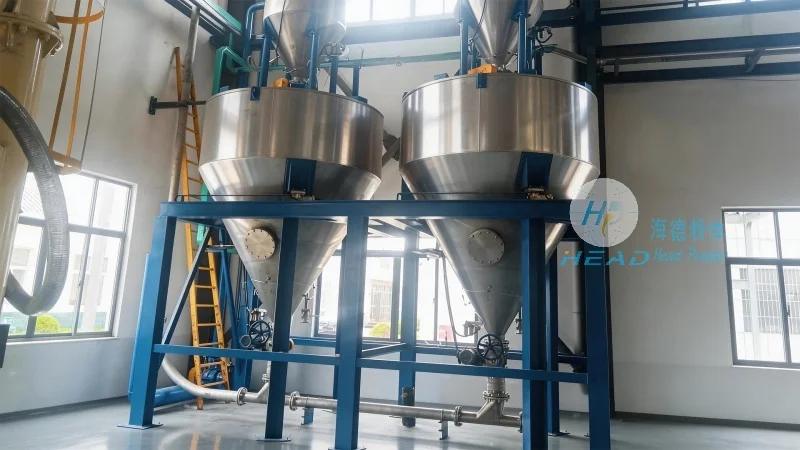
A cocoa powder material pneumatic conveying machine is a system designed to transport cocoa powder and other similar fine powders through a pipeline using air pressure. Unlike traditional mechanical conveyors, which rely on physical movement like belts or screws, pneumatic conveying machines utilize the force of compressed air to move materials. This method offers several advantages, including the ability to handle delicate powders without causing degradation, reduce contamination risks, and maintain a clean and efficient process flow.
Key Components of the Pneumatic Conveying System
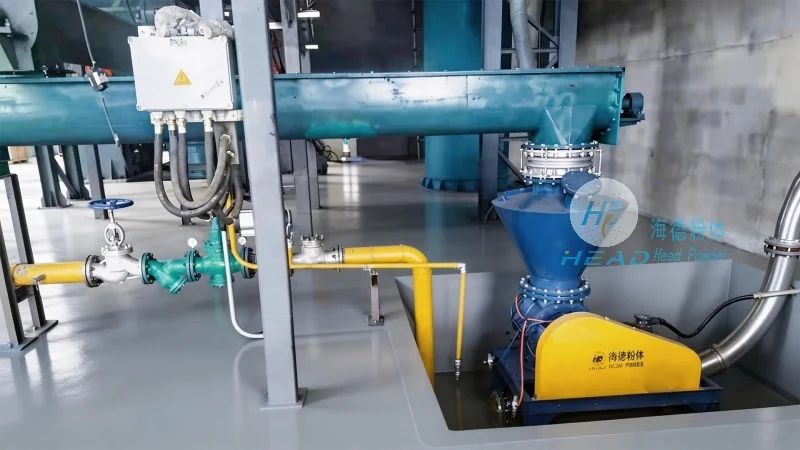
The effectiveness of a cocoa powder pneumatic conveying machine depends on its well-designed components. These typically include a hopper for material storage, a feeder to control the flow rate, a compressor to generate the necessary air pressure, a pipeline network to direct the material, and a receiver to collect the conveyed powder. Each component plays a vital role in ensuring the system operates smoothly and efficiently. For instance, the hopper must be designed to prevent powder bridging and ensure consistent material supply, while the feeder must maintain a stable flow to avoid overloading the system. The compressor is critical as it provides the pressure needed to move the powder through the pipeline, and the pipeline network must be properly sized and sealed to minimize air leakage and ensure optimal performance.
Design Principles for Efficient Material Transport
The design principles of a cocoa powder pneumatic conveying machine are centered around maximizing efficiency, minimizing material degradation, and ensuring system reliability. One of the primary design considerations is the velocity of the air within the pipeline. The air velocity must be high enough to entrain the powder particles but not so high as to cause excessive wear on the system components or degrade the powder quality. Engineers often use the concept of "minimum conveying velocity" to determine the required air speed for a given powder and pipeline diameter. Another key principle is the use of appropriate pipeline materials and diameters. The pipeline must be made of materials that are resistant to corrosion and abrasion, as cocoa powder can be abrasive and may contain moisture that could lead to corrosion over time. The diameter of the pipeline is also critical; it must be large enough to prevent excessive pressure drops and ensure smooth material flow.
Advantages of Using Pneumatic Conveying for Cocoa Powder
Implementing a pneumatic conveying system for cocoa powder offers numerous benefits that enhance both operational efficiency and product quality. One of the most significant advantages is the ability to handle delicate powders without causing agglomeration or degradation. Unlike mechanical conveyors that can cause friction and heat buildup, pneumatic systems use air to gently move the powder, preserving its texture and quality. This is particularly important for cocoa powder, which is sensitive to temperature and physical stress. Additionally, pneumatic conveying reduces the risk of contamination, as the system is enclosed and can be designed to meet sanitary standards. This is crucial in food processing where hygiene is paramount. Furthermore, the system allows for flexible and compact layouts, as the pipeline can be routed around equipment and obstacles, optimizing the use of space in a production facility.
Application in the Food Processing Industry
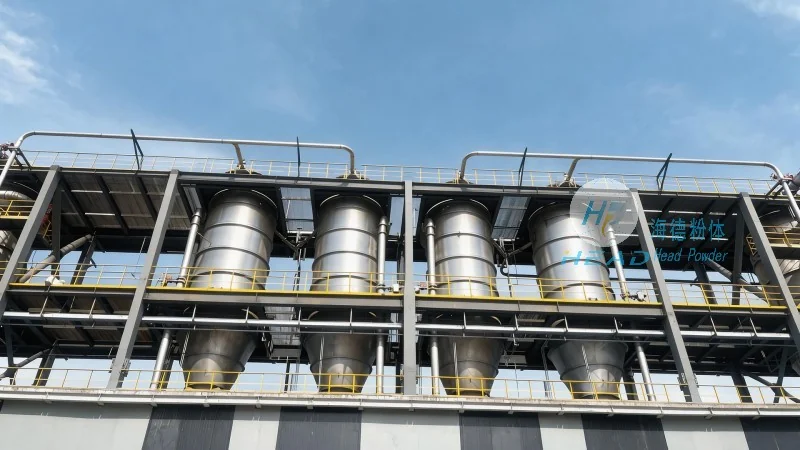
The cocoa powder material pneumatic conveying machine is widely used in the food processing industry, particularly in chocolate manufacturing and other confectionery production. In these applications, the machine is used to transport cocoa powder from storage silos to processing equipment such as mixers, blenders, and packaging machines. The ability to handle large volumes of fine powder efficiently and hygienically makes it an indispensable part of modern production lines. For example, in a chocolate factory, the conveying system ensures that cocoa powder is delivered to the mixing area without any delays or quality issues, which is essential for maintaining consistent product quality and production speed. The system also integrates seamlessly with other processing equipment, allowing for a smooth and continuous production flow.
Conclusion and Company Overview
In conclusion, the cocoa powder material pneumatic conveying machine is a sophisticated piece of equipment that plays a vital role in the efficient and hygienic transport of fine powders in the food processing industry. Its design principles, centered on air pressure, material handling, and system efficiency, ensure that it can handle delicate materials like cocoa powder without compromising quality. The system's advantages, including reduced contamination risk, flexible layout, and efficient operation, make it a preferred choice for many food manufacturers. As a leading provider in this field, Shandong HeadPowder Engineering Co., Ltd. specializes in designing and manufacturing high-quality pneumatic conveying systems tailored to the specific needs of food processing industries. With a focus on innovation and customer satisfaction, the company ensures that its equipment meets the highest standards of performance and reliability, helping businesses in the food industry achieve optimal production efficiency and product quality.