

Working Principle and Characteristics of Cotton Seed Pneumatic Conveying
Understanding the working principle and characteristics of cotton seed pneumatic conveying is crucial for optimizing material handling processes in agricultural and industrial settings. This article provides a detailed overview of how pneumatic conveying systems operate when handling cotton seeds, along with key features that make such systems effective and efficient.
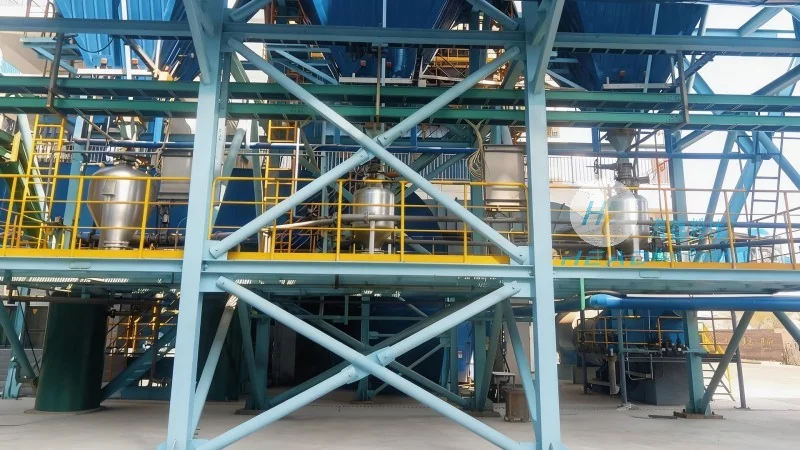
Introduction to Cotton Seed Pneumatic Conveying
Pneumatic conveying is a method of transporting bulk materials like cotton seeds through a pipeline using air pressure or vacuum. Unlike traditional mechanical conveyors, which rely on belts or buckets, pneumatic systems use compressed air to move materials, offering advantages in terms of flexibility, cleanliness, and reduced maintenance. The process involves several key components, including a hopper for material storage, a conveyor line, and a control system to regulate air flow and material movement.
The Working Principle of Cotton Seed Pneumatic Conveying
The core mechanism of cotton seed pneumatic conveying involves the creation of a flow of air within a pipeline. When the system is activated, compressed air is introduced into the pipeline, generating a pressure differential that propels the cotton seeds forward. The material is typically fed into the system via a hopper, where it is then drawn into the conveyor line by the moving air stream. As the seeds travel through the pipeline, they are separated from the air by a separator or cyclone, which allows the air to be recycled while the seeds are deposited at the destination point.
Key steps in the process include material feeding, air induction, transportation, and separation. The feeding mechanism ensures a consistent flow of cotton seeds into the system, while the air induction system maintains the necessary pressure or vacuum to move the material. The transportation phase relies on the velocity of the air stream to carry the seeds, and the separation phase uses gravity or centrifugal force to separate the seeds from the air, ensuring that the material is delivered to the desired location without contamination or loss.
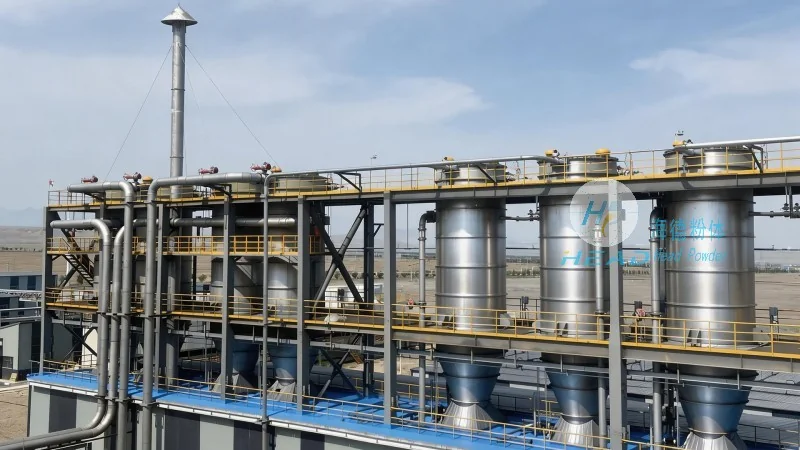
Key Characteristics of Cotton Seed Pneumatic Conveying Systems
Several distinct characteristics make cotton seed pneumatic conveying systems particularly suitable for handling this type of agricultural product. First, the system is highly flexible, as it can be easily reconfigured to accommodate changes in production volume or layout. This adaptability is essential in agricultural operations where demand for cotton seeds may vary seasonally or due to market fluctuations.
Second, pneumatic conveying systems are known for their cleanliness and hygienic operation. Unlike mechanical conveyors, which can cause friction and generate dust, pneumatic systems minimize contact between the material and the conveyor components, reducing the risk of contamination and ensuring that the cotton seeds remain in their original state. This is particularly important for products that require high standards of quality and purity, such as those used in food processing or seed breeding.
Third, the systems offer significant energy efficiency compared to other material handling methods. By using compressed air to move the material, the system reduces the need for mechanical components that require constant power input. Additionally, the ability to recycle the air stream further enhances energy efficiency, as the same air can be used multiple times to transport the cotton seeds.
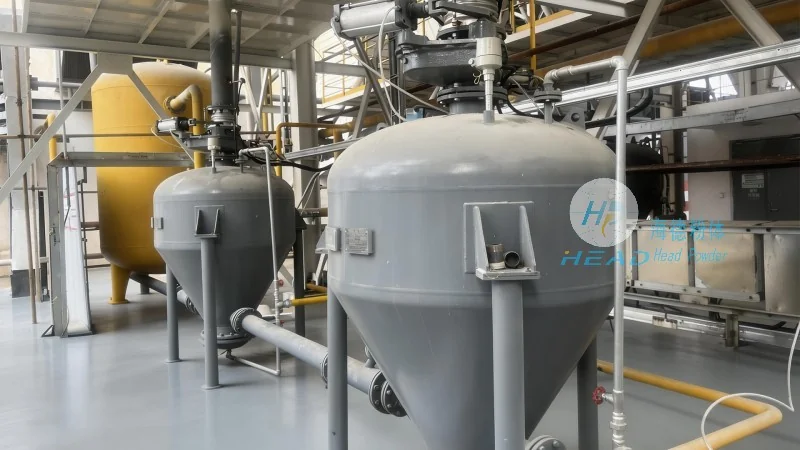
Fourth, cotton seed pneumatic conveying systems are relatively low in maintenance requirements. The absence of moving parts like belts or chains reduces the likelihood of wear and tear, and the simple design of the system makes it easier to inspect and repair when necessary. This leads to lower operational costs and increased uptime for agricultural operations.
Applications and Benefits in Agricultural Processing
Cotton seed pneumatic conveying systems are widely used in various stages of cotton seed processing, from collection and storage to packaging and distribution. The systems are particularly effective in handling large volumes of cotton seeds, as they can transport materials over long distances without the need for intermediate storage or handling points. This improves the overall efficiency of the production process and reduces the risk of material loss or degradation.
Another key benefit is the ability to maintain the quality of the cotton seeds during transportation. The low friction and minimal contact with the conveyor components help preserve the seed's moisture content and prevent damage to the seed coat, which is critical for maintaining germination rates and seed viability. This is especially important for seeds intended for planting or for use in seed banks.
Conclusion and Company Overview
In conclusion, cotton seed pneumatic conveying is a highly effective and efficient method for handling cotton seeds, offering advantages in terms of flexibility, cleanliness, energy efficiency, and low maintenance. The working principle, which relies on air pressure to move materials through a pipeline, is well-suited to the characteristics of cotton seeds, ensuring that the material is transported safely and in good condition.
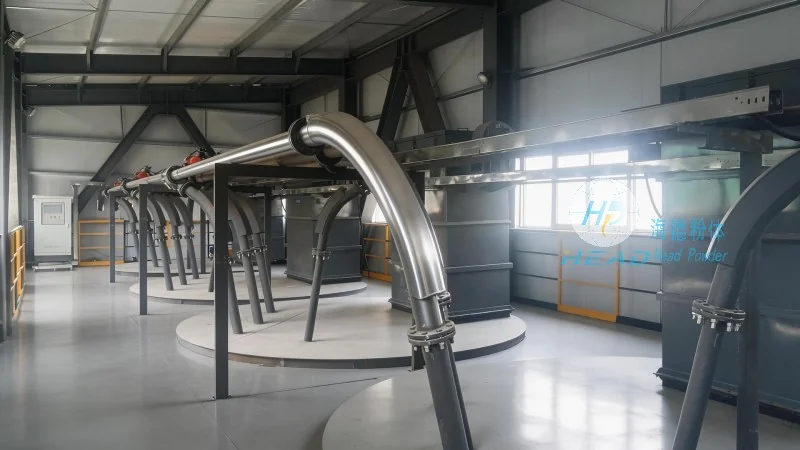
Shandong HeadPowder Engineering Co., Ltd., a leading provider of pneumatic conveying solutions, specializes in designing and manufacturing systems tailored to the specific needs of agricultural operations. With a focus on innovation and quality, the company has developed advanced pneumatic conveying systems that meet the highest standards of performance and reliability. HeadPowder's expertise in material handling technology ensures that agricultural businesses can optimize their cotton seed processing operations, improving productivity and maintaining the quality of their products.
Located in Shandong, China, HeadPowder Engineering Co., Ltd. leverages its deep understanding of agricultural processes and material handling to deliver customized solutions that enhance the efficiency and profitability of cotton seed handling operations. By combining advanced technology with practical application, the company helps agricultural producers and processors achieve their goals while maintaining the integrity of their products.