

Working Principle and Features of Beer Brewery Solids Pneumatic Conveying Equipment
Beer brewery solids pneumatic conveying equipment is essential for efficiently managing spent grain and other solid byproducts generated during the brewing process. This equipment facilitates the transport of these materials between different locations within a brewery or to external storage facilities, streamlining operational workflows and reducing manual handling requirements. The following sections will delve into the working principle and key features of such equipment, offering insights into its functionality and benefits.
Company Introduction: Shandong HeadPowder Engineering Co., Ltd.
HeadPowder Engineering Co., Ltd. is a leading manufacturer specializing in pneumatic conveying systems, headquartered in Shandong, China. With extensive experience in the food and beverage industry, the company has built a reputation as a trusted provider of tailored solutions for breweries. The firm’s commitment to quality, innovation, and customer satisfaction enables it to deliver equipment that meets the unique demands of each brewery operation, ensuring reliable and efficient material handling.
Working Principle of Beer Brewery Solids Pneumatic Conveying Equipment
The core of beer brewery solids pneumatic conveying equipment revolves around using air as the conveying medium to transport solid materials. This process operates under either positive pressure or negative pressure, depending on the application and material characteristics. Positive pressure systems introduce compressed air into the line, creating a pressure differential that propels solids forward. Negative pressure systems, conversely, utilize a vacuum to draw air and solids into the line, which is then discharged at the receiving end. For spent grain, the equipment must handle abrasive, high-volume materials while minimizing air consumption and particle degradation.
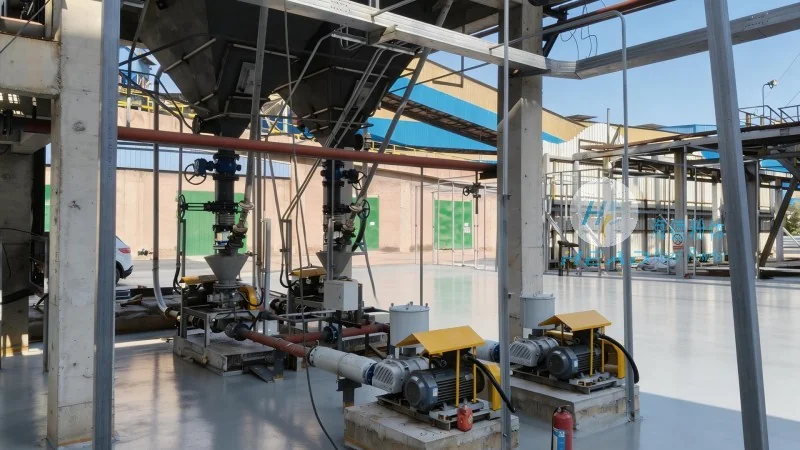
Operation begins with the solid material (e.g., spent grain) fed into a hopper or feeder. The material is then mixed with the air stream, forming a dense or dilute phase flow. Air velocity is controlled to keep particles suspended and prevent clogging. Key components include a blower/vacuum pump, hopper for storage, feeder for flow regulation, and a receiver at the destination. The system is designed to accommodate spent grain’s moisture content, particle size, and potential for caking or bridging.
Key Features of Beer Brewery Solids Pneumatic Conveying Equipment
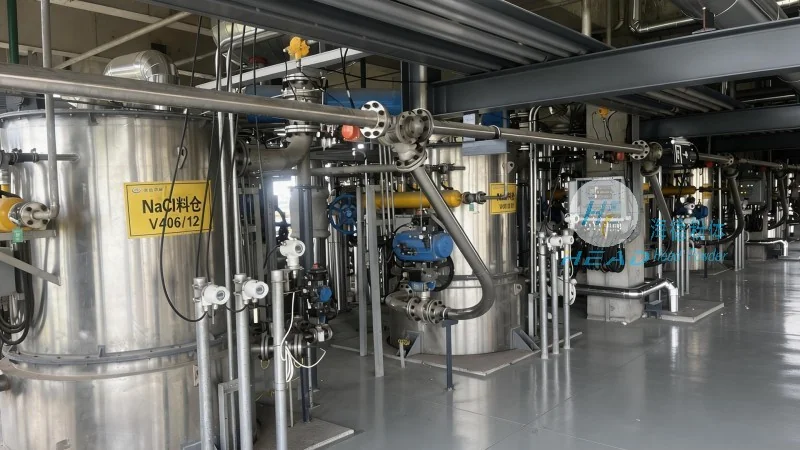
Efficiency and Energy Savings: Modern systems optimize air usage, reducing energy costs while maintaining high conveying rates. Advanced blower technology and precise airflow control ensure peak efficiency. Positive pressure systems enable continuous, unidirectional flow, minimizing recirculation and lowering operational expenses.
Environmental Friendliness: Unlike mechanical methods, pneumatic systems minimize dust and material degradation. Enclosed pipelines prevent environmental contamination, and gentle handling reduces breakage or contamination risks. This aligns with environmental regulations and improves workplace safety.
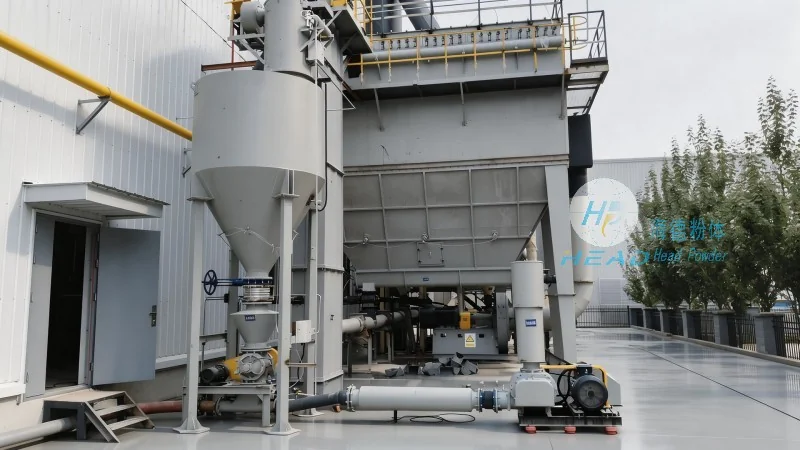
Flexibility and Versatility: The equipment adapts to various solid byproducts (e.g., spent grain, hop residues) and integrates with existing brewery infrastructure. It accommodates changing production volumes or product lines without major modifications, providing operational flexibility.
Maintenance and Durability: Constructed from corrosion-resistant materials, components (hopper, feeder, pipeline) withstand abrasive spent grain. This reduces replacement needs. The company offers comprehensive maintenance and spare parts support for long-term reliability.
Conclusion: Advantages of Using Beer Brewery Solids Pneumatic Conveying Equipment
Beer brewery solids pneumatic conveying equipment enhances operational efficiency, reduces labor costs, and improves environmental performance compared to traditional methods. By leveraging pneumatic transport principles, breweries streamline material handling, minimize downtime, and maintain consistent product quality. The equipment’s ability to handle high volumes of spent grain with low energy consumption and minimal environmental impact makes it ideal for modern breweries. Its robust design and reliable performance position it as a valuable investment for optimizing operational efficiency and sustainability.