For professionals in the construction and material handling industries, understanding the mechanics and advantages of cement powder conveying systems is crucial for optimizing operational efficiency and ensuring reliable material transport. This article provides an in-depth look at the working principle and key features of such systems, presented by Shandong HeadPowder Engineering Co., Ltd., a leading provider in the field based in China.
Overview of Cement Powder Conveying Systems
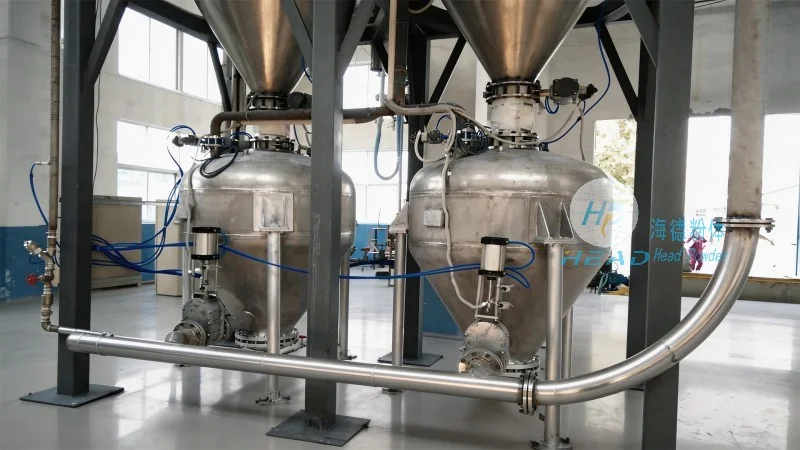
Cement powder conveying systems are specialized equipment designed to transport bulk cement powder from storage silos or production facilities to construction sites or processing units. These systems are engineered to handle the unique challenges of cement, including its fine particle size, high density, and tendency to create dust or caking. The primary goal is to ensure efficient, dust-free, and continuous movement of cement while maintaining product integrity and minimizing operational costs.
The Working Principle of Cement Powder Conveying Systems
The operation of a typical cement powder conveying system involves several integrated components working in sequence. The process begins with the storage of cement in a silo, where the material is held under controlled conditions to prevent degradation. From the silo, the cement is drawn into a feeder unit, which regulates the flow rate to match the system's capacity. The feeder then transfers the material into a conveyor section, which may utilize technologies such as pneumatic (air pressure) or mechanical (e.g., screw, belt) methods to move the powder through pipelines or ducts.
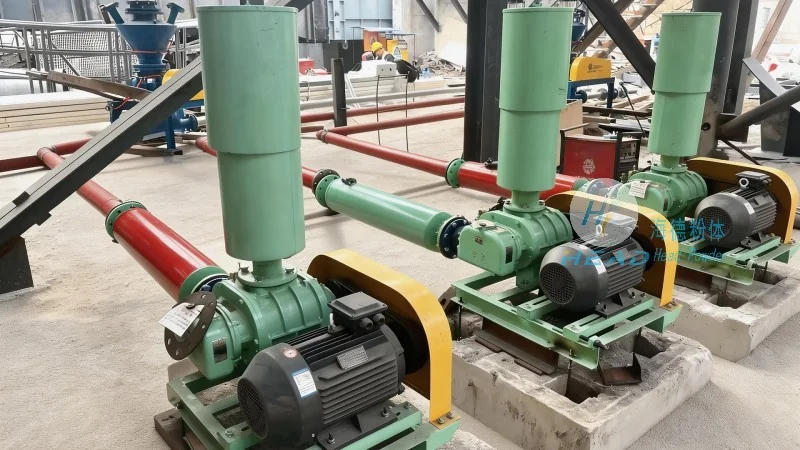
In pneumatic conveying systems, compressed air is used to create a flow that propels the cement particles through the system. This method is particularly effective for long-distance or high-volume transport, as it can handle varying particle sizes and prevent blockages. Mechanical conveyors, on the other hand, rely on rotating components like screws or belts to push the material forward. Both approaches are designed to maintain the cement's quality by minimizing exposure to air and preventing agglomeration.
Key Features of Cement Powder Conveying Systems
Modern cement powder conveying systems are characterized by several advanced features that enhance performance and reliability. One of the most critical features is the ability to maintain a consistent flow rate, which is essential for maintaining production line stability. This is achieved through precise control mechanisms, such as variable speed drives and pressure sensors, that adjust the system's output based on real-time demand.
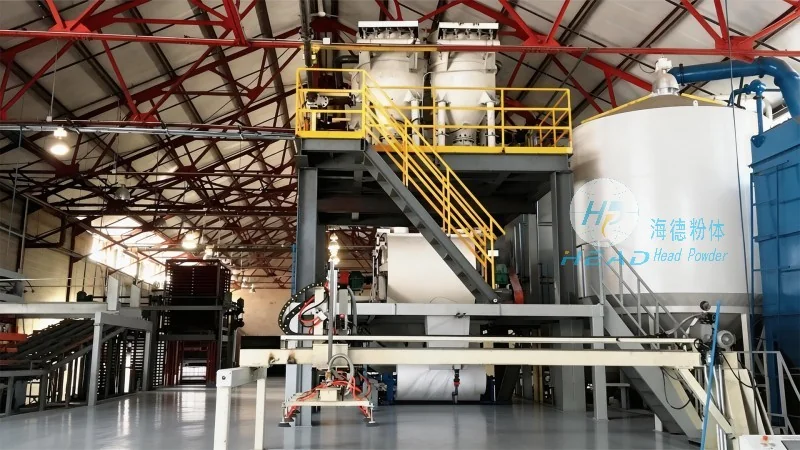
Another key feature is the system's dust control capabilities. Cement is a fine powder that can easily generate dust, which poses health and safety risks as well as operational challenges. Advanced systems incorporate dust suppression technologies, including sealed pipelines, air filtration units, and moisture control measures, to minimize dust emissions and ensure a clean working environment.
Efficiency and energy conservation are also prominent features. Modern systems are designed with energy-efficient motors and optimized airflow, reducing operational costs while maintaining high throughput. Additionally, the use of durable materials and robust construction ensures long-term reliability, minimizing downtime and maintenance requirements. These features collectively contribute to a system that is both effective and cost-effective for cement handling applications.
Applications and Benefits in Industrial Settings
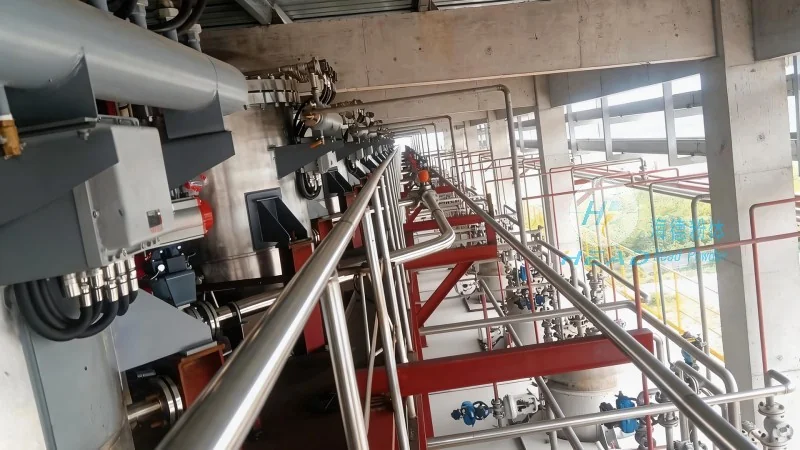
Cement powder conveying systems are widely used in various industrial applications, including construction sites, cement plants, and precast concrete facilities. The benefits of these systems extend beyond mere material transport, as they contribute to overall operational efficiency and product quality. By ensuring a continuous and controlled supply of cement, these systems help maintain production schedules, reduce material waste, and improve the consistency of final products.
For companies operating in the construction and manufacturing sectors, investing in a reliable cement powder conveying system can lead to significant improvements in productivity and safety. The ability to handle large volumes of cement with minimal human intervention and reduced environmental impact makes these systems an essential component of modern material handling strategies.




