For industries dealing with oat powder, efficient and reliable conveying systems are crucial for maintaining product quality and operational efficiency. The oat powder conveying line, as offered by Shandong HeadPowder Engineering Co., Ltd. based in Shandong, China, is designed to meet these demands through advanced engineering and robust design. This article explores the working principle and key features of such systems, providing insights into their functionality and benefits.
Working Principle of Oat Powder Conveying Lines
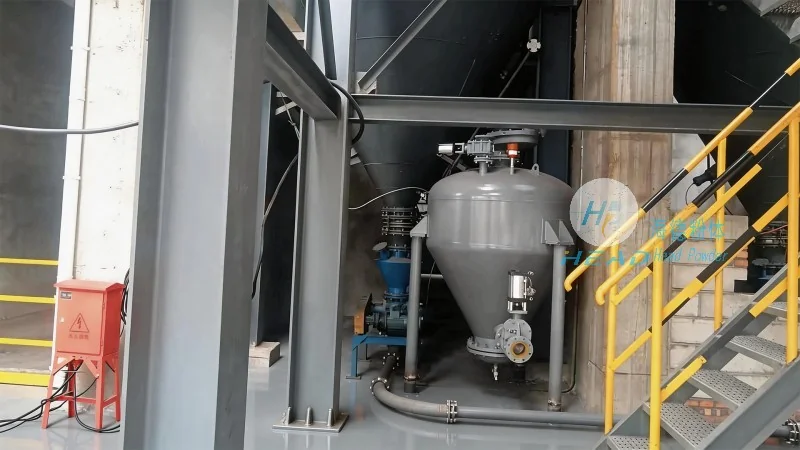
The oat powder conveying line operates on the principle of mechanical transport, utilizing various components to move powder from one location to another while ensuring minimal product degradation. The system typically includes a hopper for material storage, a feeder to control the flow rate, a conveyor mechanism (such as a screw or pneumatic conveyor), and a discharge point for the processed powder. The hopper is designed to accommodate bulk oat powder, with a smooth interior to prevent material buildup and ensure consistent feeding. The feeder, often a rotary valve or a screw feeder, regulates the amount of powder entering the conveyor, preventing overloading and maintaining a steady flow. The conveyor mechanism, depending on the system design, may use mechanical force (e.g., a screw conveyor) or air pressure (e.g., a pneumatic conveyor) to transport the powder. In a screw conveyor, a rotating screw pushes the powder forward through a tube, while in a pneumatic system, compressed air propels the powder through a pipeline. The discharge point is strategically placed to deliver the powder to the next processing stage or storage area, with controls to adjust the discharge rate as needed.
Key Features of Oat Powder Conveying Lines
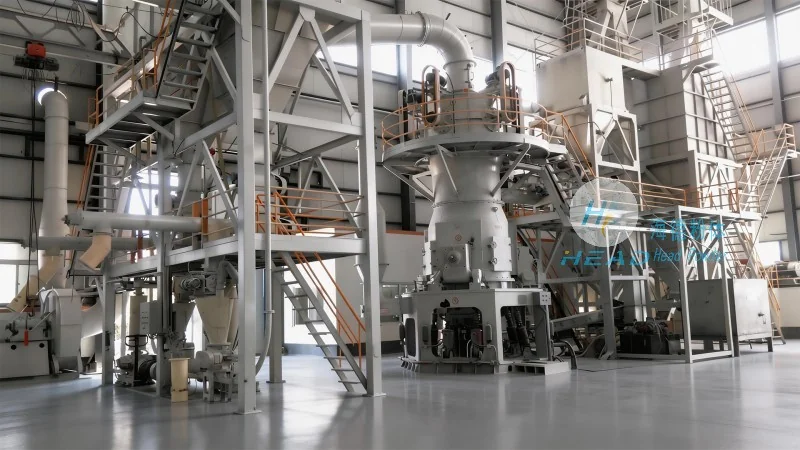
Shandong HeadPowder Engineering Co., Ltd. offers oat powder conveying lines with several notable features that enhance performance and reliability. One of the primary features is the ability to handle fine and cohesive powders like oat flour without clogging or bridging. The system incorporates anti-static measures, such as grounding and conductive materials, to prevent static buildup that could cause powder explosion hazards. The design also includes cleaning mechanisms, such as removable hopper liners and easy-to-clean conveyor components, to maintain hygiene standards, which is essential for food-grade applications. Additionally, the conveying line is equipped with monitoring and control systems, allowing operators to adjust parameters like flow rate and pressure in real-time. This ensures optimal performance and helps prevent equipment damage or product loss. The materials used in the construction of the conveying line, such as stainless steel and food-grade plastics, are resistant to corrosion and wear, extending the service life of the equipment. The system is also designed for easy integration with existing production lines, minimizing downtime during installation and operation.
Benefits of Using Oat Powder Conveying Lines
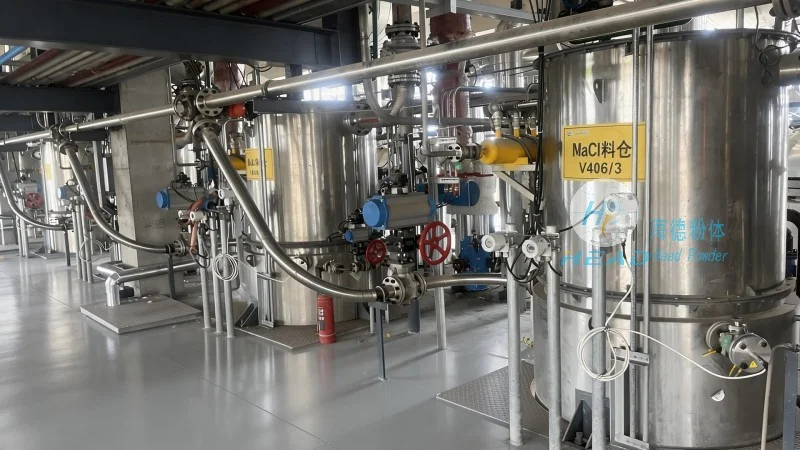
Implementing an oat powder conveying line from Shandong HeadPowder Engineering Co., Ltd. brings several benefits to food processing and related industries. The primary advantage is improved operational efficiency, as the system automates the material handling process, reducing manual labor and increasing throughput. This leads to cost savings and higher productivity. The system also ensures consistent product quality by maintaining a uniform flow rate and preventing contamination from external sources. The hygienic design of the equipment meets regulatory standards, making it suitable for food-grade applications where safety and cleanliness are paramount. Furthermore, the modular design allows for customization to fit specific production needs, whether for small-scale or large-scale operations. The durability of the components, such as the conveyor screw and hopper, ensures long-term reliability, reducing maintenance costs and downtime. Overall, the oat powder conveying line is a critical component in optimizing the production process for oat-based products, enhancing both efficiency and product quality.




