Automatic quantitative powder feeding and conveying equipment, also known as automatic batching and conveying systems, are essential in industries where precise and consistent handling of bulk powders is critical. These machines are designed to measure, transport, and dispense powders with high accuracy and efficiency, ensuring optimal performance in various production processes. This article will explore the working principle and key features of such equipment, highlighting how they contribute to operational excellence.
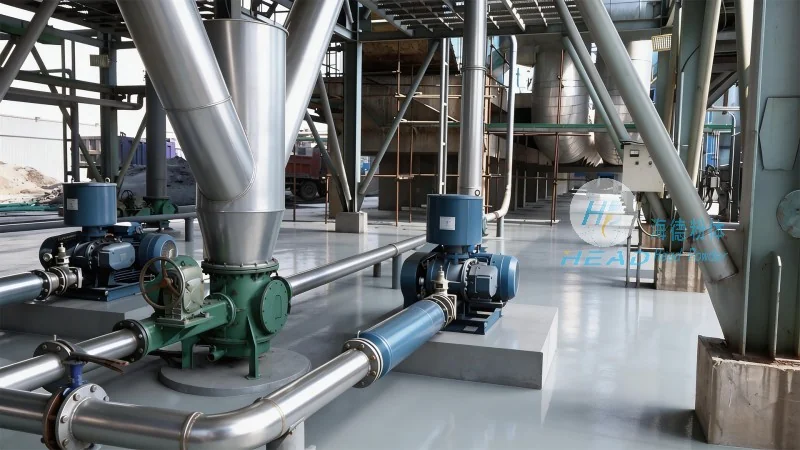
Company Introduction
Shandong HeadPowder Engineering Co., Ltd., a leading manufacturer in the field, specializes in the design, development, and production of advanced powder handling solutions. With a strong commitment to quality and innovation, the company has established itself as a trusted partner for businesses seeking reliable and efficient powder processing equipment. HeadPowder's facilities are located in Shandong, China, where state-of-the-art technology and rigorous quality control ensure that every product meets the highest industry standards.
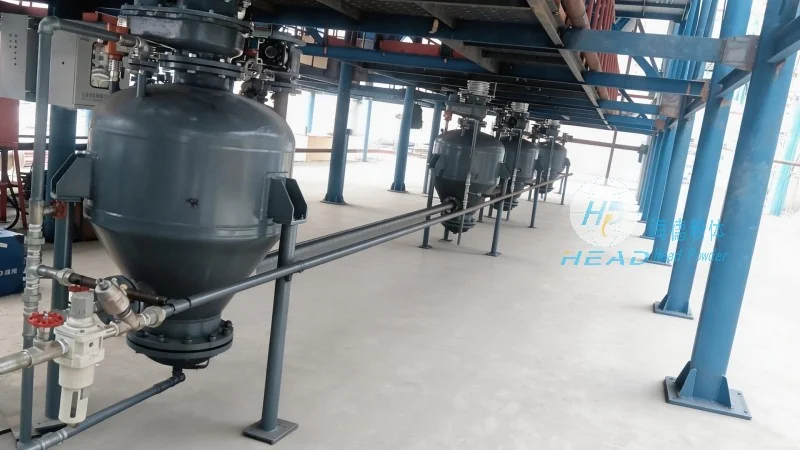
Working Principle of Automatic Quantitative Powder Feeding and Conveying Equipment
The core working principle of automatic quantitative powder feeding and conveying equipment revolves around a combination of precise measurement, controlled feeding, and efficient transportation mechanisms. The system typically consists of several key components, including a hopper for powder storage, a weighing or volumetric measurement unit, a feeding mechanism (such as a screw or rotary valve), and a conveyor system for transporting the material to the desired destination. The process begins with the powder being loaded into the hopper. The measurement unit then calculates the required quantity based on preset parameters, such as weight or volume. Once the target amount is reached, the feeding mechanism stops, and the powder is released into the conveyor. The conveyor then transports the material to the next stage of the production line, such as mixing, packaging, or further processing. Advanced systems may also incorporate sensors and feedback loops to ensure real-time monitoring and adjustment of the feeding rate, enhancing overall accuracy and consistency.
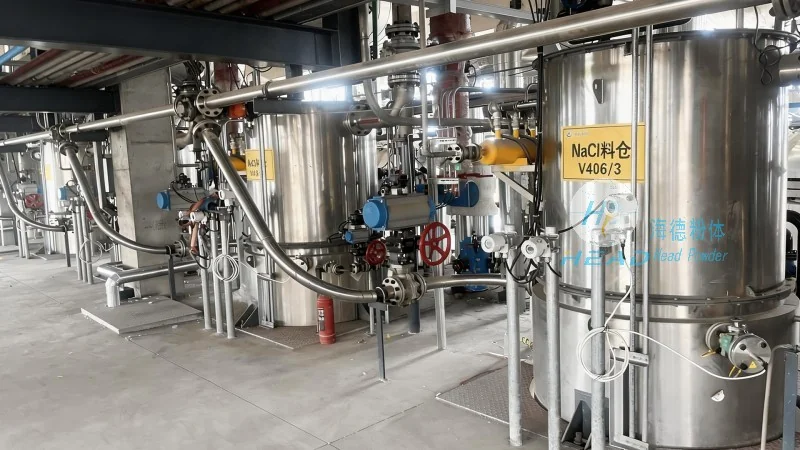
Key Features of Automatic Quantitative Powder Feeding and Conveying Equipment
Automatic quantitative powder feeding and conveying equipment offers numerous advantages that make them indispensable in modern industrial applications. One of the primary features is high precision and repeatability. These systems are engineered to deliver consistent and accurate dosing, minimizing variations in powder quantities, which is crucial for maintaining product quality and process stability. Another significant feature is the ability to handle a wide range of powder characteristics, including different particle sizes, densities, and flow properties. This versatility allows the equipment to be used across various industries, such as pharmaceuticals, food processing, chemicals, and mining. Additionally, the equipment is designed for high efficiency and low maintenance, with robust construction and automated controls that reduce downtime and operational costs. The integration of advanced control systems, such as PLCs (Programmable Logic Controllers) and digital interfaces, enables easy operation and monitoring, allowing operators to adjust settings and track performance in real time. Furthermore, the equipment is built with safety features to protect both personnel and the material, ensuring a secure working environment. The durability and reliability of these systems, coupled with their ability to operate continuously under demanding conditions, make them a long-term investment for businesses seeking to optimize their powder handling processes.
Applications and Benefits in Industrial Settings
The applications of automatic quantitative powder feeding and conveying equipment are diverse and span multiple industries. In the pharmaceutical industry, these systems are used to accurately measure and dispense active ingredients and excipients, ensuring compliance with stringent regulatory requirements. In the food and beverage sector, they are employed to handle ingredients like flour, sugar, and spices, maintaining product consistency and quality. The chemical industry utilizes these machines for handling raw materials and intermediates, enhancing process efficiency and safety. In the mining and mineral processing sector, they are essential for transporting and batching bulk materials, improving operational productivity. The benefits of using such equipment extend beyond precision and efficiency. By automating the powder handling process, businesses can reduce labor costs, minimize human error, and improve overall productivity. The consistent quality of the output also leads to better product performance and customer satisfaction. Moreover, the ability to integrate with other production equipment allows for seamless workflow, streamlining operations and reducing bottlenecks. The reliability of these systems ensures that production lines run smoothly, minimizing disruptions and maximizing output.
Conclusion
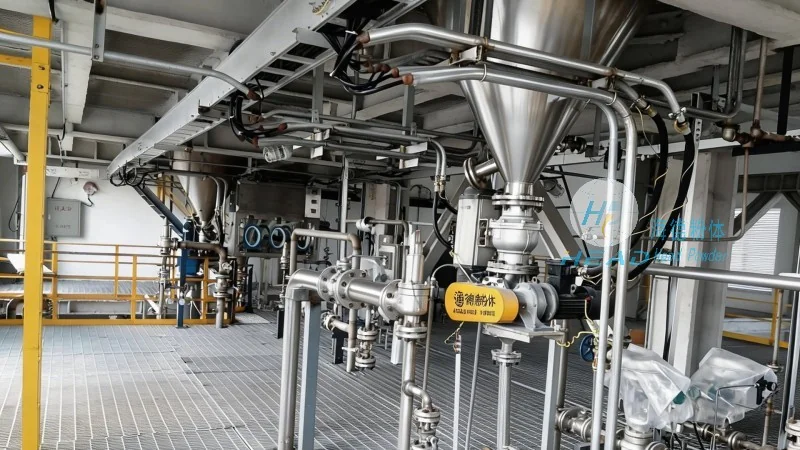
Automatic quantitative powder feeding and conveying equipment, as exemplified by the solutions offered by Shandong HeadPowder Engineering Co., Ltd., represent a significant advancement in bulk material handling technology. By combining precise measurement, efficient transportation, and advanced control systems, these machines enable industries to achieve higher levels of productivity, quality, and safety. The working principle and key features discussed in this article highlight the importance of such equipment in modern manufacturing processes. As businesses continue to seek ways to optimize their operations, the demand for reliable and efficient powder handling solutions will only grow. Shandong HeadPowder Engineering Co., Ltd. remains at the forefront of this technology, providing innovative and high-quality equipment that meets the evolving needs of the industry.




