Understanding the operational mechanics and distinctive attributes of tailings powder conveying lines is crucial for optimizing material handling in mining and processing industries. These systems are engineered to efficiently transport fine particulate materials, which are byproducts of mineral extraction processes. The design and functionality of such lines directly impact productivity, safety, and environmental compliance in industrial settings.
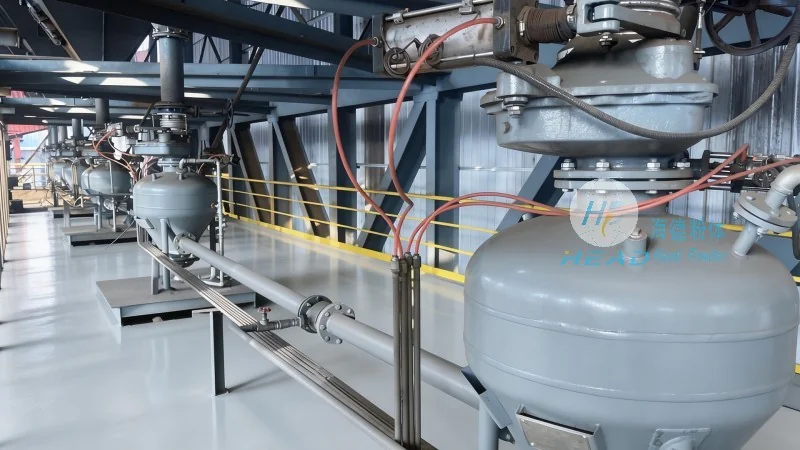
Working Principle of Tailings Powder Conveying Lines
The core mechanism of tailings powder conveying lines revolves around the use of specialized equipment to move fine particulate materials over long distances. Typically, these systems employ pneumatic or mechanical conveying methods, each with its own advantages and applications. Pneumatic conveying uses air pressure to transport materials through pipelines, while mechanical systems utilize screw conveyors, belt conveyors, or bucket elevators to move the powder. The selection of the conveying method depends on factors such as material properties, distance, and required throughput. In pneumatic systems, for instance, a blower or compressor generates the necessary airflow to carry the tailings powder through a network of pipes. The material is often mixed with a small amount of air or gas to create a slurry-like flow, which enhances the conveying efficiency. Mechanical conveyors, on the other hand, rely on rotating components to push the powder along a fixed path, ensuring consistent and reliable transport. Both approaches are designed to minimize material degradation and prevent blockages, which are common challenges in handling fine tailings.
Key Features of Tailings Powder Conveying Lines
Several key features distinguish effective tailings powder conveying lines, making them suitable for diverse industrial applications. One of the primary features is the ability to handle fine, abrasive materials without causing excessive wear on the conveying equipment. This is achieved through the use of robust materials for the conveyor components, such as stainless steel or high-grade alloys, which resist corrosion and abrasion. Another critical feature is the system's adaptability to varying material characteristics, including different particle sizes, moisture content, and flow rates. Modern conveying lines are often equipped with adjustable controls that allow operators to modify the airflow or mechanical speed to accommodate changes in the material being transported. This flexibility ensures that the system can maintain optimal performance even under fluctuating conditions.
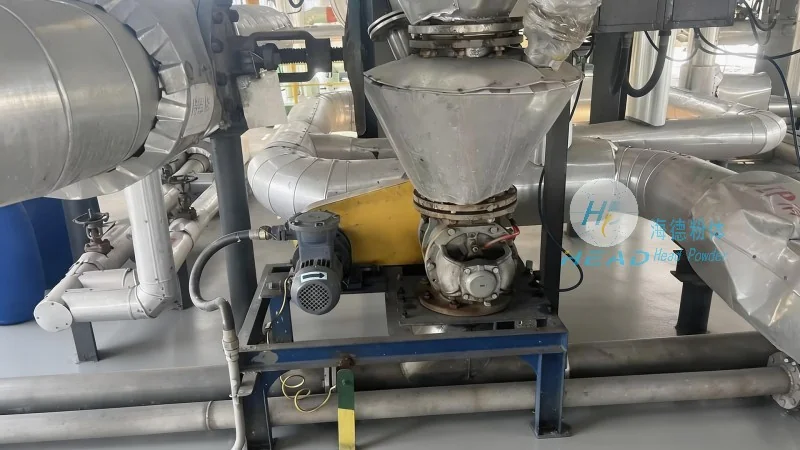
Efficiency and Performance in Material Handling
The efficiency of tailings powder conveying lines is a critical factor in overall operational productivity. These systems are designed to minimize energy consumption while maximizing throughput. Advanced control systems, such as variable frequency drives (VFDs), are commonly integrated into the equipment to regulate motor speeds and adjust power usage based on the actual load. This not only reduces energy costs but also extends the lifespan of the machinery by preventing overloading. Additionally, the use of high-efficiency filters and separators in pneumatic systems helps maintain the purity of the conveyed material, reducing the risk of contamination and ensuring that the tailings are handled in compliance with environmental regulations. The ability to maintain consistent flow rates and avoid interruptions is another key performance indicator, as it directly impacts downstream processing steps and overall plant efficiency.
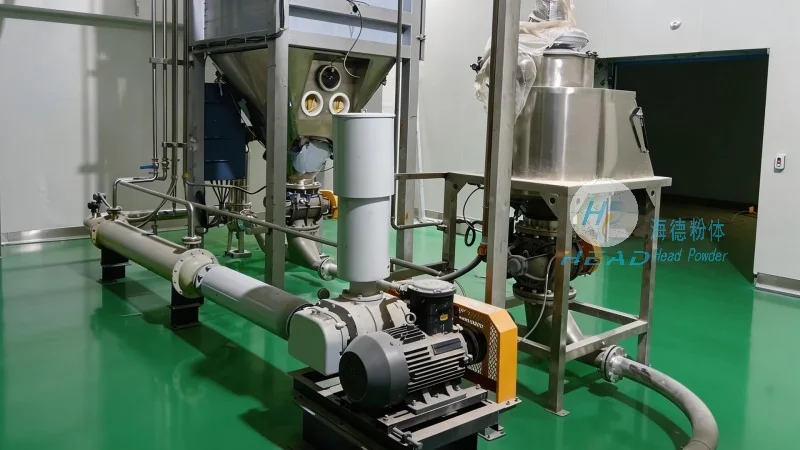
Reliability and Maintenance Considerations
Reliability is paramount in industrial applications, and tailings powder conveying lines are engineered to provide consistent performance over extended periods. Regular maintenance is essential to ensure the longevity and efficiency of the system. Key maintenance tasks include inspecting and replacing worn components, such as conveyor belts, seals, and filters. Pneumatic systems require periodic cleaning of the air filtration system to prevent dust accumulation and maintain optimal airflow. Mechanical components, like screw conveyors, need lubrication and alignment checks to prevent friction and wear. The use of predictive maintenance technologies, such as sensors that monitor vibration and temperature, can help identify potential issues before they lead to system failures. This proactive approach reduces downtime and lowers maintenance costs, making the conveying line a cost-effective solution for long-term material handling needs.
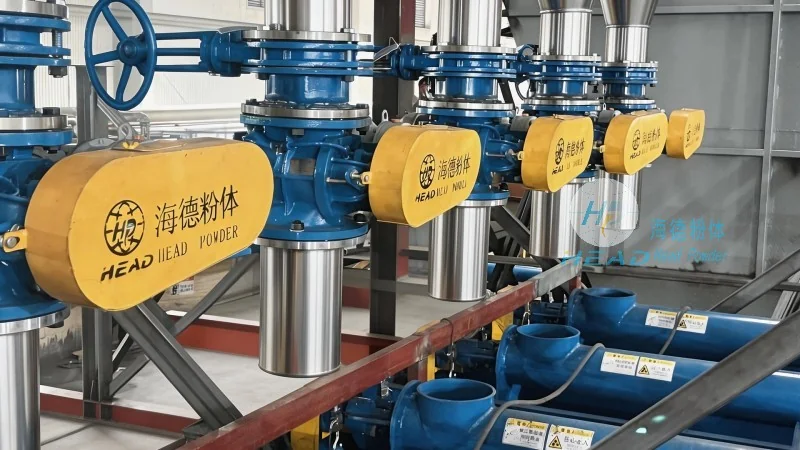
Environmental and Safety Aspects
Environmental and safety considerations are integral to the design and operation of tailings powder conveying lines. These systems are engineered to minimize dust emissions and prevent the release of fine particulate matter into the environment. Pneumatic conveying, in particular, is effective in containing dust within the pipeline system, reducing the risk of airborne contamination. The use of sealed conveyor systems and proper ventilation helps maintain a safe working environment for personnel. Additionally, the materials used in the construction of the conveying line are selected to be non-toxic and resistant to chemical reactions with the tailings, ensuring that the system does not pose a health risk to workers or the surrounding environment. Compliance with local environmental regulations is a key aspect of the design, as the system must be capable of handling materials in a manner that meets or exceeds regulatory standards.
Customization and Application Flexibility
Tailings powder conveying lines are highly customizable to meet the specific requirements of different mining and processing operations. The system design can be tailored to accommodate varying distances, material volumes, and operational conditions. For example, in large-scale mining operations, multiple conveying lines may be integrated into a single system to handle high throughput. The flexibility of the system allows for the addition or removal of components as operational needs change, providing a scalable solution for growing businesses. Furthermore, the integration of automation and control systems enables remote monitoring and operation, enhancing operational efficiency and reducing the need for on-site personnel. This adaptability makes tailings powder conveying lines a versatile solution for a wide range of industrial applications, from small-scale processing plants to large-scale mining operations.




