Multi-functional material conveying lines are advanced industrial systems designed to efficiently transport various types of materials from one location to another within a production environment. These systems are engineered to handle diverse material characteristics, including different sizes, shapes, weights, and physical states, making them versatile solutions for modern manufacturing and processing applications. The core functionality of such lines revolves around the seamless integration of multiple components that work in tandem to ensure reliable and consistent material handling operations.
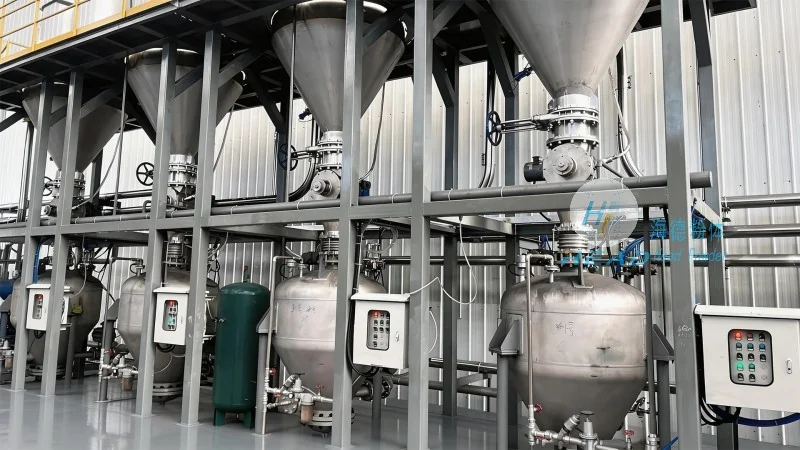
Working Principle of Multi-functional Material Conveying Lines
The operation of a multi-functional material conveying line typically begins with the intake of materials at the input point. This is often facilitated by a feeding mechanism, such as a hopper or a conveyor belt, which ensures that the materials are properly positioned for subsequent processing. Once the materials are fed into the system, they are then transported through a series of interconnected components, including conveyor belts, rollers, or pneumatic tubes, depending on the specific design and requirements of the line. The conveying process may involve multiple stages, each tailored to address particular material handling challenges, such as sorting, lifting, or positioning. For instance, some lines may incorporate sorting mechanisms that separate materials based on size, weight, or other physical attributes, while others may include lifting devices that elevate materials to higher levels for further processing. The entire system is controlled by a centralized control unit, which monitors the flow of materials and adjusts the operation of each component as needed to maintain optimal performance. This control system ensures that the conveying line operates smoothly and efficiently, minimizing downtime and maximizing productivity.
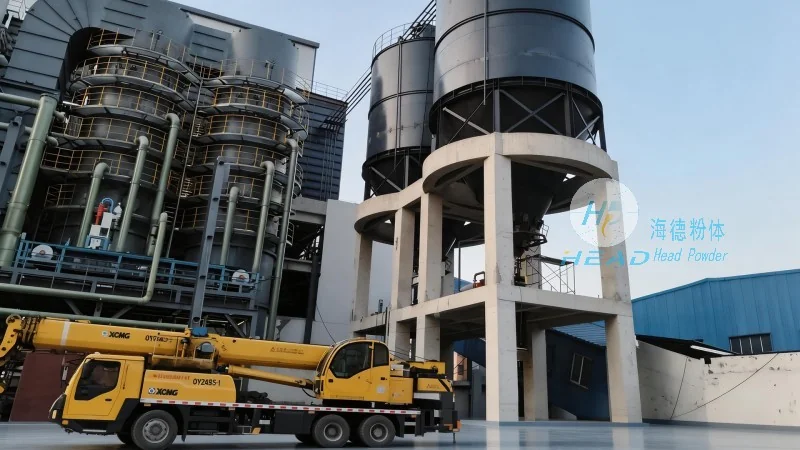
Key Features of Multi-functional Material Conveying Lines
Multi-functional material conveying lines are characterized by several key features that enhance their performance and adaptability. One of the primary features is their versatility, as these systems can be customized to accommodate a wide range of materials and operational requirements. This adaptability is achieved through modular design, allowing users to add or remove components as needed to suit specific production needs. Another important feature is the integration of advanced technology, such as sensors and automation controls, which enables real-time monitoring and adjustment of the conveying process. This technology helps to optimize material flow, reduce waste, and improve overall efficiency. Additionally, multi-functional conveying lines often incorporate safety features, such as emergency stop buttons and protective enclosures, to ensure the well-being of operators and compliance with safety regulations. The durability of these systems is also a significant advantage, as they are constructed from high-quality materials that can withstand the rigors of continuous industrial use. This durability ensures long-term reliability and reduces the need for frequent maintenance or repairs.
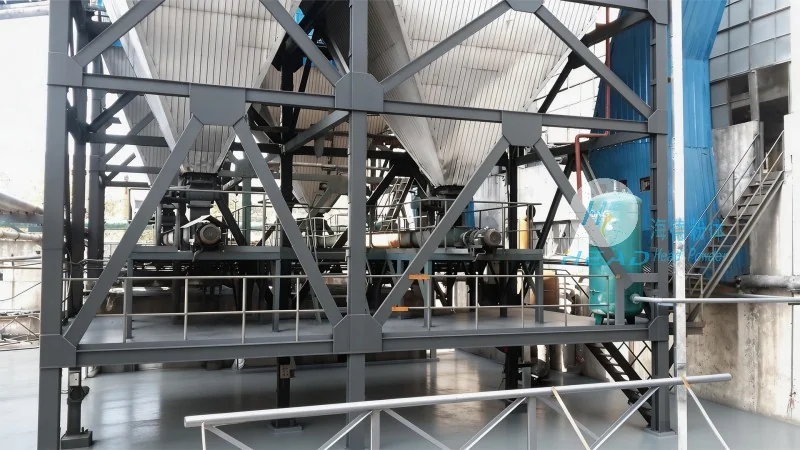
Applications and Benefits of Multi-functional Material Conveying Lines
Multi-functional material conveying lines find applications in various industries, including manufacturing, logistics, and processing. In manufacturing, these systems are commonly used to transport raw materials to production lines and finished products to packaging areas. In logistics, they are employed to move goods between storage facilities and distribution centers, improving the speed and efficiency of supply chain operations. The benefits of using multi-functional material conveying lines are numerous. They significantly reduce manual labor requirements, as the system can handle materials with minimal human intervention. This not only improves productivity but also enhances workplace safety by minimizing the risk of accidents associated with manual handling. Furthermore, these systems offer consistent and reliable performance, ensuring that materials are delivered on time and in the correct condition. The ability to customize the system to specific needs also provides cost savings, as it eliminates the need for multiple, separate conveying solutions. Overall, multi-functional material conveying lines are essential tools for modern industrial operations, offering a comprehensive solution to material handling challenges.
Conclusion
Multi-functional material conveying lines represent a sophisticated and efficient solution for material handling in various industrial settings. By combining advanced technology with modular design, these systems provide versatility, reliability, and adaptability to meet the diverse needs of modern manufacturing and processing environments. The working principle, which involves the integration of multiple components and automated controls, ensures smooth and consistent material transport. Key features such as customization, safety, and durability further enhance their performance. The applications of these lines span across multiple industries, delivering significant benefits including increased productivity, improved safety, and cost savings. As industrial demands continue to evolve, multi-functional material conveying lines remain a critical component in optimizing material handling processes. Shandong HeadPowder Engineering Co., Ltd., a leading provider in this field, specializes in designing and manufacturing such advanced systems, ensuring that clients receive tailored solutions that meet their specific operational requirements.




