Automatic weighing and material conveying lines are sophisticated industrial systems designed to streamline the process of material handling, weighing, and distribution in various manufacturing and processing applications. These systems integrate advanced technology to ensure precision, efficiency, and reliability in operations, making them indispensable in industries such as food processing, pharmaceuticals, chemicals, and bulk material handling.
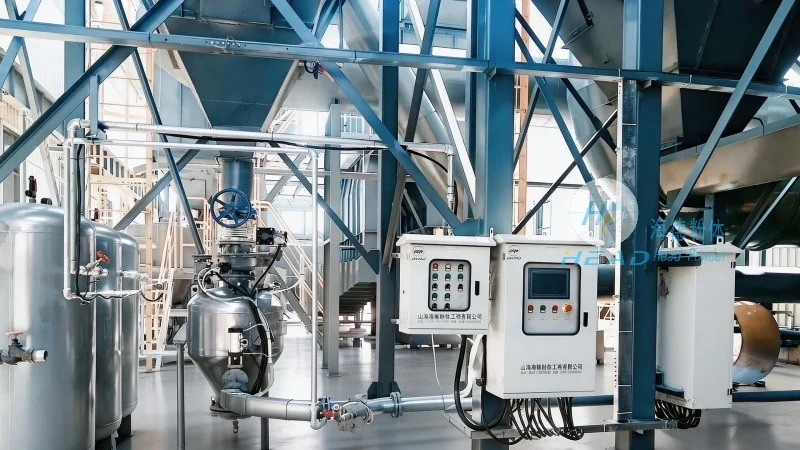
Introduction to Automatic Weighing and Material Conveying Lines
At the core of these systems is the seamless integration of weighing technology with material handling mechanisms. The primary function is to accurately measure and dispense specific quantities of raw materials or ingredients, while simultaneously transporting them to the next stage of production. This integration minimizes human intervention, reduces errors, and enhances overall operational efficiency.
Working Principle of Automatic Weighing and Material Conveying Lines
The working principle of an automatic weighing and material conveying line typically involves several key components and sequential operations. First, raw materials are fed into the system, often from bulk storage silos or hoppers. The materials then move along a conveyor system, which may include belt conveyors, screw conveyors, or pneumatic conveyors, depending on the material properties and application requirements.
As the materials travel along the conveyor, they pass through a weighing station. This station is equipped with load cells and a digital scale system that precisely measures the weight of the material in real-time. The weighing data is then processed by a control unit, which compares the actual weight with the pre-set target weight. If the measured weight is within the acceptable tolerance, the system proceeds to the next step. If not, the control unit adjusts the flow rate of the material to achieve the correct weight.
Once the correct weight is achieved, the material is transferred to a discharge mechanism, such as a rotary valve or a gate, which directs the material into a storage bin, packaging machine, or another processing unit. The conveyor system continues to operate, ensuring a continuous flow of materials. The entire process is automated, with the control unit managing all operations based on the weighing feedback and pre-programmed parameters.
Key Features of Automatic Weighing and Material Conveying Lines
Automatic weighing and material conveying lines are characterized by several distinct features that contribute to their effectiveness and versatility. One of the most notable features is high accuracy and repeatability. Advanced load cell technology and digital weighing systems ensure that the measured weight is precise and consistent, even with varying material densities or flow rates.
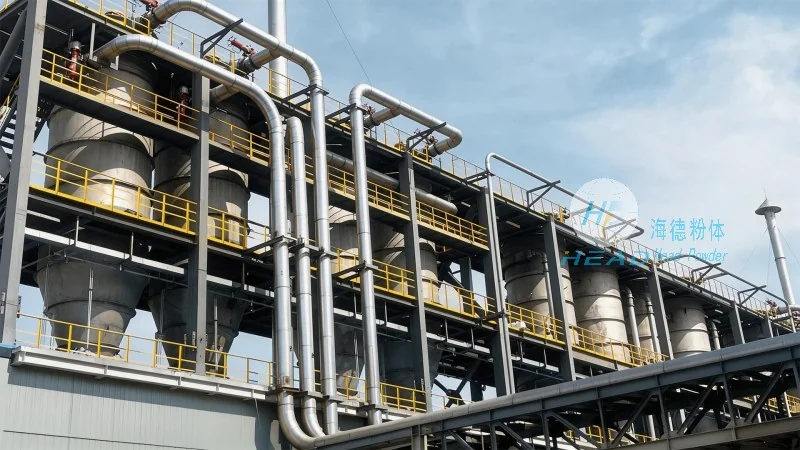
Another key feature is the ability to handle a wide range of materials. These systems are designed to accommodate different types of bulk materials, including powders, granules, liquids, and even bulk solids, by adjusting the conveyor type, feeding mechanisms, and weighing sensors accordingly. This flexibility makes them suitable for diverse industrial applications.
Efficiency and speed are also critical features. The automated nature of these lines allows for continuous operation, reducing downtime and increasing production throughput. The integration of conveyor systems with weighing stations minimizes the time required for material transfer and weighing, leading to faster processing times.
Reliability and durability are additional important features. High-quality components, such as robust conveyor belts, durable load cells, and advanced control systems, ensure that the system operates reliably over long periods, even under demanding industrial conditions. Regular maintenance and calibration are recommended to maintain optimal performance.
Applications and Industries
Automatic weighing and material conveying lines find applications in numerous industries where precise material handling is essential. In the food and beverage industry, these systems are used for ingredient mixing and packaging, ensuring consistent product quality and compliance with regulatory standards. In the pharmaceutical industry, they are crucial for the accurate dispensing of active ingredients and excipients, maintaining the purity and efficacy of medications.
In the chemical industry, these systems handle bulk chemicals and reagents, ensuring safe and accurate dosing in production processes. The automotive and manufacturing sectors also benefit from these lines, particularly in the assembly of components where precise material quantities are required for quality control.
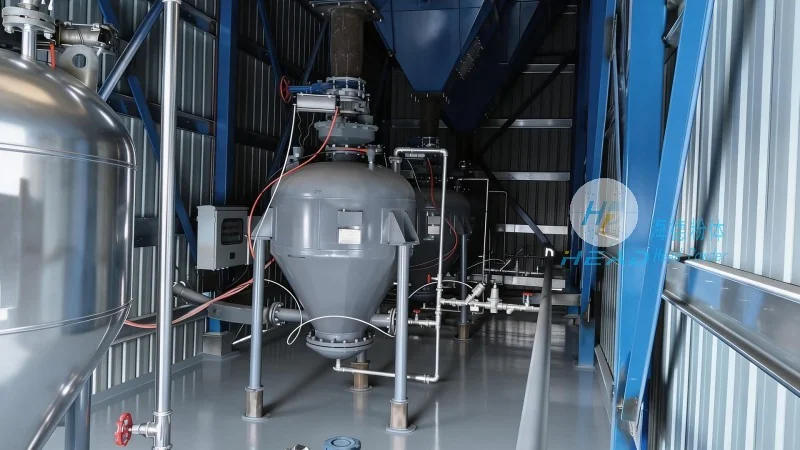
Advantages of Using Automatic Weighing and Material Conveying Lines
Implementing automatic weighing and material conveying lines offers several advantages over traditional manual or semi-automated systems. The most significant advantage is improved accuracy and reduced human error. Manual weighing processes are prone to variations due to operator fatigue or misreading, while automated systems provide consistent and reliable measurements.
Another advantage is increased efficiency and productivity. By automating the material handling and weighing process, companies can achieve higher production rates and reduce labor costs. The continuous operation of conveyor systems minimizes downtime, and the real-time monitoring of weighing data allows for immediate adjustments, preventing waste and improving overall throughput.
Cost savings are also a key benefit. Although the initial investment in these systems may be higher, the long-term savings from reduced material waste, lower labor costs, and increased production efficiency often outweigh the initial expenses. Additionally, the ability to handle a wide range of materials reduces the need for multiple specialized systems, further optimizing operational costs.
Enhanced safety is another advantage. Automated systems reduce the risk of accidents associated with manual handling of heavy or hazardous materials. The enclosed conveyor systems and controlled weighing processes minimize exposure to workers, improving workplace safety and compliance with safety regulations.
Conclusion
Automatic weighing and material conveying lines represent a significant advancement in industrial automation, offering precise, efficient, and reliable solutions for material handling and processing. By integrating advanced weighing technology with robust material conveying mechanisms, these systems enhance productivity, reduce costs, and improve product quality across various industries. As manufacturing processes continue to evolve, the demand for such sophisticated systems is expected to grow, making them a vital component of modern industrial operations.




