

Working Principle and Features of Kaolin Material Pneumatic Conveying Equipment
For industrial applications involving the handling of kaolin material, efficient and reliable material transport is crucial. This article explores the working principle and key features of pneumatic conveying equipment designed specifically for kaolin material, provided by Shandong HeadPowder Engineering Co., Ltd., a leading manufacturer in China.
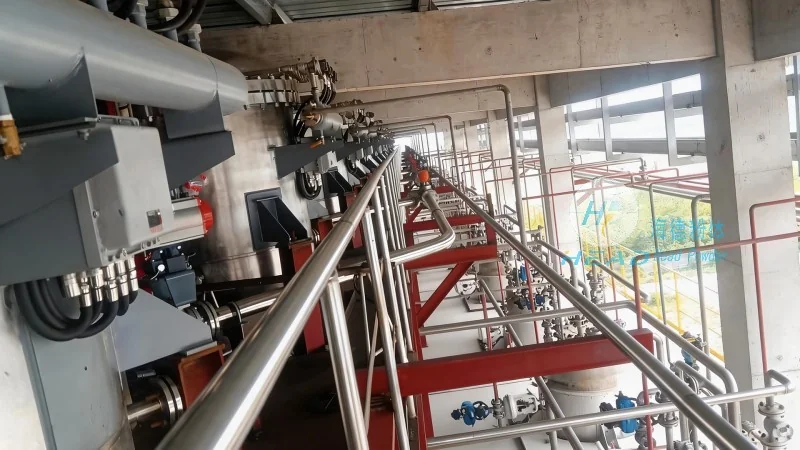
Overview of Kaolin Material Pneumatic Conveying Equipment
Pneumatic conveying systems are widely used in the mineral processing industry to transport dry powders like kaolin. These systems utilize air or gas as the conveying medium to move material from one location to another without the need for mechanical components such as belts or buckets. The equipment typically consists of a hopper, a blower or compressor, a pipeline system, and a receiver or discharge unit. The design is tailored to handle the specific properties of kaolin, including its particle size, moisture content, and flow characteristics.
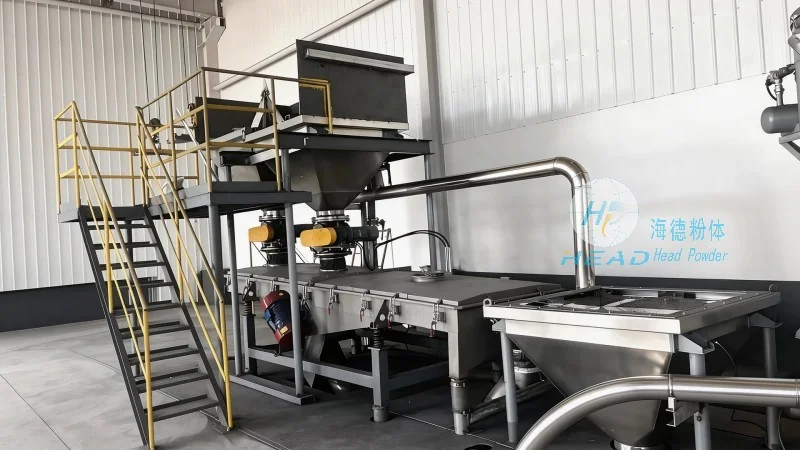
Working Principle of Kaolin Material Pneumatic Conveying Equipment
The operation of the pneumatic conveying system for kaolin material involves several key steps. First, the kaolin powder is fed into the hopper from a storage silo or batch mixer. The hopper is equipped with a feeder, such as a rotary valve or a screw feeder, which controls the flow rate of the material into the pipeline. Simultaneously, a blower or compressor generates a high-pressure air stream that is introduced into the pipeline. The air stream creates a negative pressure (or positive pressure) within the pipeline, which draws the kaolin particles into the air stream and transports them through the pipeline to the receiver. The receiver is typically a hopper or a storage tank where the material is collected and discharged as needed. The system may include additional components like filters, cyclones, or air separators to remove any entrained air or fine particles from the conveyed material, ensuring a clean and efficient process.
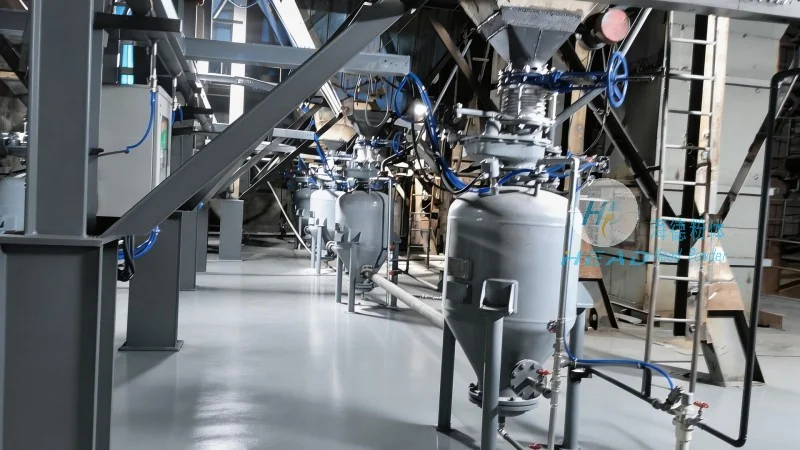
Key Features of Kaolin Material Pneumatic Conveying Equipment
Shandong HeadPowder Engineering Co., Ltd. offers pneumatic conveying equipment with several distinct features that enhance performance and reliability for kaolin material handling:
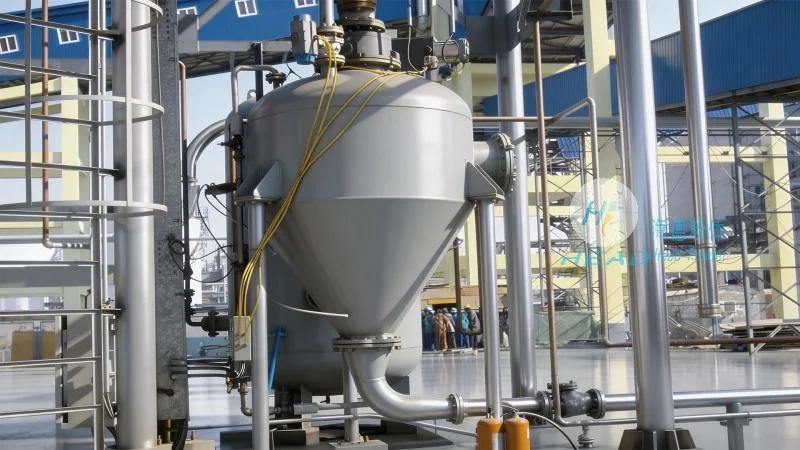
- Adaptive Material Handling: The equipment is designed to handle kaolin with varying particle sizes and moisture levels, ensuring consistent and efficient transport without clogging or degradation of the material.
- Energy Efficiency: Advanced blower and compressor technologies are employed to minimize energy consumption while maintaining optimal conveying rates, reducing operational costs for the end-user.
- Low Maintenance: The system incorporates durable components, such as high-quality pipelines and wear-resistant parts, which are resistant to abrasion from kaolin particles, extending the equipment's service life and reducing maintenance requirements.
- Customizable Design: The equipment can be tailored to specific plant layouts and operational requirements, with options for both positive and negative pressure conveying modes to suit different application needs.
- Environmental Compliance: The system includes filtration and air treatment components to ensure that the conveyed air meets environmental standards, minimizing dust emissions and maintaining a clean working environment.
Application and Benefits in Kaolin Processing
The pneumatic conveying equipment from Shandong HeadPowder Engineering Co., Ltd. is widely used in kaolin processing plants for tasks such as transporting raw kaolin from storage to processing units, moving processed kaolin to packaging or storage areas, and transferring kaolin slurry or dry powder between different stages of the production line. The benefits of using this equipment include improved process efficiency, reduced labor costs, enhanced safety by eliminating manual handling of powders, and consistent material quality due to minimal exposure to air and moisture during transport.