HeadPowder Engineering Co., Ltd., a leading manufacturer based in Shandong, China, specializes in providing advanced pneumatic conveying solutions for industrial applications, particularly those involving the transport of desulfurizer materials. The company's expertise lies in designing and delivering equipment that ensures efficient, reliable, and safe material handling in power plants and other industrial facilities.
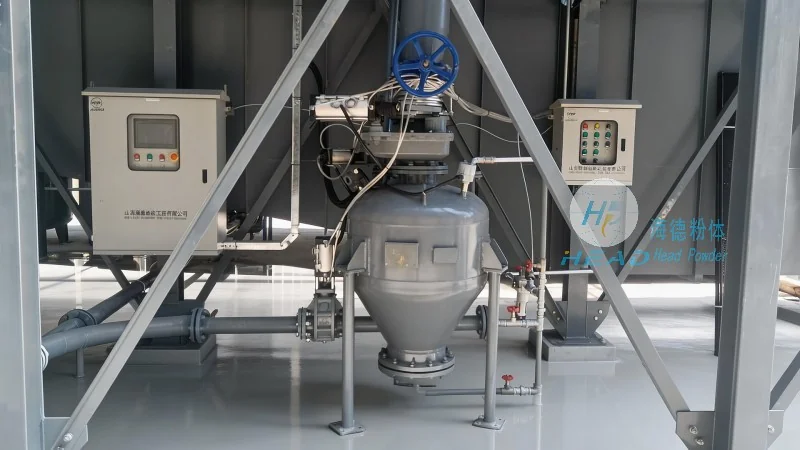
Working Principle of Pneumatic Conveying Equipment for Desulfurizer Materials
The pneumatic conveying system for desulfurizer materials operates on the fundamental principle of using compressed air or gas to transport bulk materials through a closed pipeline network. The process begins with the desulfurizer material being stored in a hopper, which is equipped with a feeder that regulates the material flow into the conveying line. As the material is fed into the pipeline, a high-pressure air stream is introduced, creating a pressure differential that propels the material particles along the pipeline. This method, known as dense-phase or dilute-phase pneumatic conveying, depending on the system design, ensures that the material is transported in a controlled manner, minimizing segregation and degradation.
Key components of the system include the material hopper, feeder, conveying pipes, and a control system that manages the air pressure and flow rate. The hopper is designed to hold a sufficient quantity of desulfurizer material, ensuring continuous operation without frequent refills. The feeder, often a rotary valve or a screw feeder, controls the rate at which material enters the pipeline, preventing overloading and maintaining a stable flow. The conveying pipes are typically made of corrosion-resistant materials, such as stainless steel, to withstand the chemical properties of desulfurizer materials and the effects of compressed air.
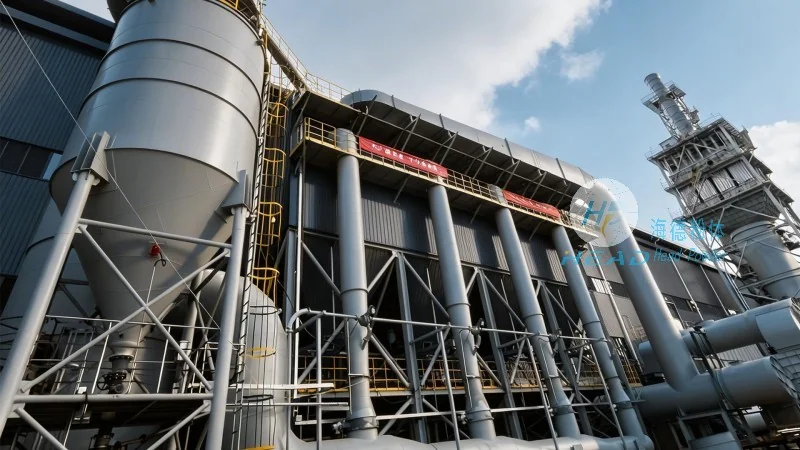
Key Features of the Pneumatic Conveying Equipment
One of the primary advantages of the pneumatic conveying equipment for desulfurizer materials is its high efficiency in material transport. Unlike traditional mechanical systems like belt conveyors or screw conveyors, which can suffer from material degradation due to friction and mechanical contact, pneumatic systems minimize such issues by using air to move the material. This results in less product damage, especially for fine or sensitive desulfurizer materials, which are often critical in industrial processes.
The equipment also offers flexibility in handling various material characteristics. It can effectively transport materials with different particle sizes, moisture contents, and bulk densities, making it suitable for a wide range of desulfurizer applications. The system is designed with adjustable parameters, such as air pressure and flow rate, allowing operators to optimize performance based on the specific requirements of the material being handled. This adaptability ensures that the equipment can maintain consistent throughput and material quality under varying conditions.
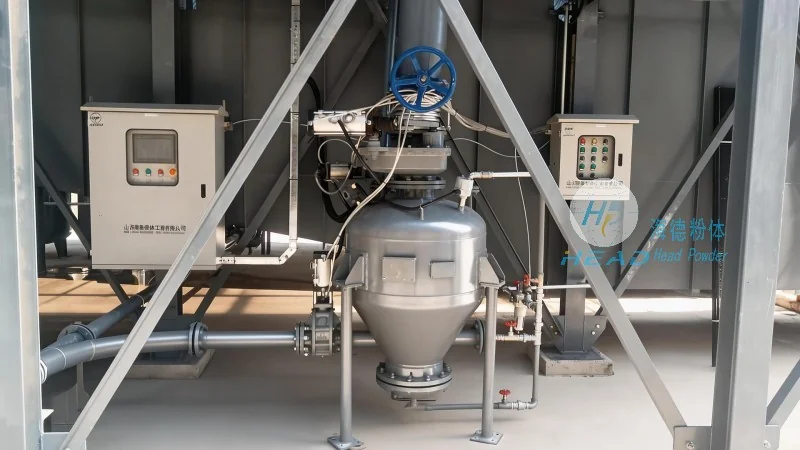
Another notable feature is the compact and space-saving design of the equipment. Unlike large, bulky mechanical conveyors that require significant floor space, pneumatic conveying systems can be installed in confined areas, making them ideal for facilities with limited space. The system also provides a clean and dust-free operation, as the material is contained within the pipeline, reducing the risk of dust emissions and improving workplace safety.
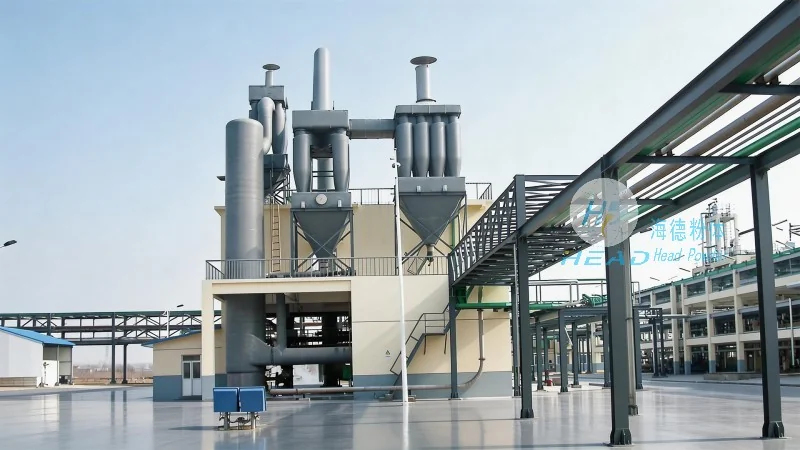
Reliability and Maintenance Considerations
The pneumatic conveying equipment for desulfurizer materials is engineered for long-term reliability and low maintenance. The use of corrosion-resistant materials and robust components ensures that the system can withstand the harsh conditions associated with desulfurizer materials, including acidic or alkaline properties. The design minimizes moving parts that are prone to wear and tear, reducing the need for frequent maintenance and increasing the overall operational life of the equipment.
HeadPowder Engineering Co., Ltd. provides comprehensive support for its pneumatic conveying systems, including installation, commissioning, and after-sales service. The company's team of experts ensures that the equipment is properly integrated into the client's industrial process, with thorough training provided to operators on the safe and efficient operation of the system. This commitment to customer support and system reliability makes the equipment a trusted choice for industries relying on consistent and high-quality desulfurizer material transport.




