Graphite lumps pneumatic conveying is a critical material handling technology widely utilized in industries that rely on graphite materials, such as refractory, electrode, and lubricant manufacturing. This method efficiently transports solid graphite lumps through pipelines using a stream of air or gas, offering advantages like reduced contamination, minimal equipment wear, and flexible routing. The technology is particularly suited for applications requiring high purity and efficient material movement, making it a preferred choice for modern graphite processing facilities.
Principle of Graphite Lumps Pneumatic Conveying
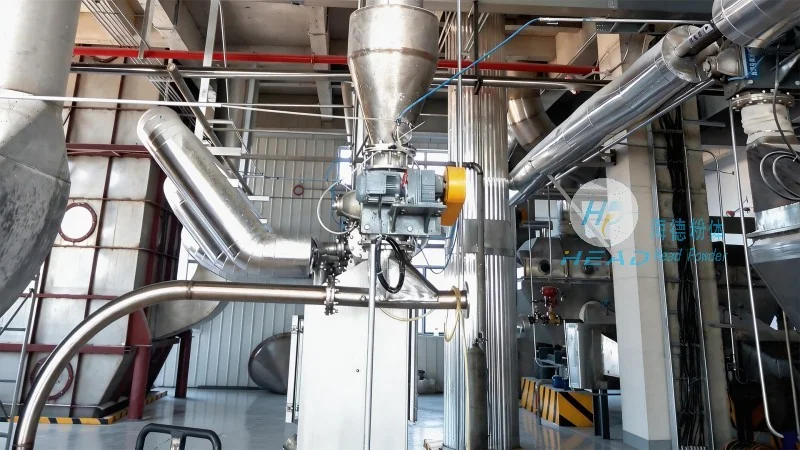
The fundamental principle of pneumatic conveying for graphite lumps revolves around using air pressure or vacuum to move material through a closed system. There are two primary system types: pressure and vacuum. In a pressure system, compressed air is introduced into a hopper or container, creating a pressure that forces the graphite lumps through the pipeline. This method is ideal for long-distance or high-volume conveying, as it can maintain consistent flow and pressure. Conversely, a vacuum system generates a low-pressure environment at the receiving end, drawing the material through the pipeline. This approach is better suited for shorter distances or when material needs to be collected from multiple sources.
Key components of a pneumatic conveying system for graphite lumps include the material feeder, conveying pipeline, air compressor or vacuum pump, and a control system. The material feeder ensures a steady flow of graphite lumps into the pipeline, preventing blockages and maintaining system efficiency. The pipeline is typically constructed from materials resistant to graphite and corrosion, such as stainless steel or specialized plastics, to ensure durability and prevent material degradation. The air compressor provides the necessary pressure or vacuum, while the control system monitors and adjusts flow rates and pressure to optimize the conveying process and prevent system failures.
Working Scene Characteristics of Graphite Lumps Pneumatic Conveying
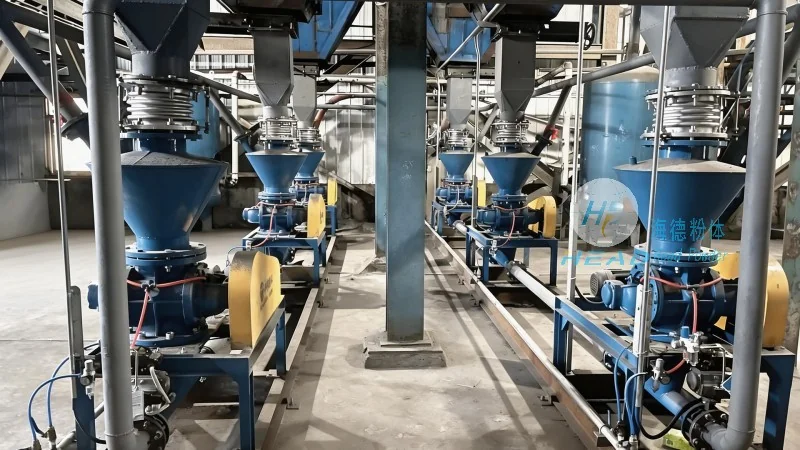
The working scene characteristics of graphite lumps pneumatic conveying are tailored to the specific demands of graphite processing industries, emphasizing efficiency, low maintenance, and adaptability. These features make the system suitable for environments where traditional mechanical conveying methods may be impractical, such as facilities with limited space or where material purity is critical. The system’s ability to transport graphite lumps without direct contact reduces the risk of contamination and equipment wear, which is vital for applications like electrode production or high-purity lubricant manufacturing.
Another key characteristic is the system’s flexibility in routing. It can be designed to transport material to various locations within a facility or even to external storage areas, providing manufacturers with the ability to optimize their production layout. This flexibility is particularly beneficial in large-scale graphite processing plants, where multiple processing units may be spread across the site. Additionally, the system’s reliability in handling large volumes of material quickly and consistently minimizes downtime and maximizes productivity, aligning with the needs of high-throughput industrial operations.
Application Scenarios and Industry Use Cases
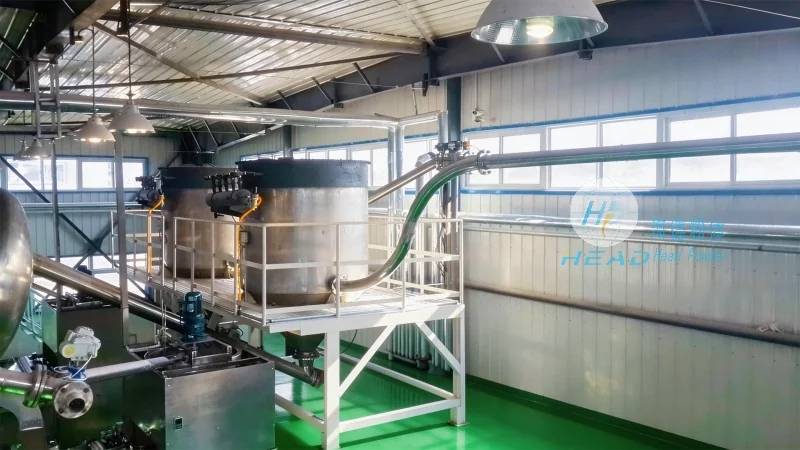
Graphite lumps pneumatic conveying is widely applied in diverse industrial scenarios, primarily in the manufacturing of graphite-based products. Common use cases include transporting graphite lumps from raw material storage to production lines, from production lines to quality control areas, and from quality control to packaging or storage facilities. In these scenarios, the system’s efficiency and reliability are essential for maintaining production schedules and meeting stringent quality standards.
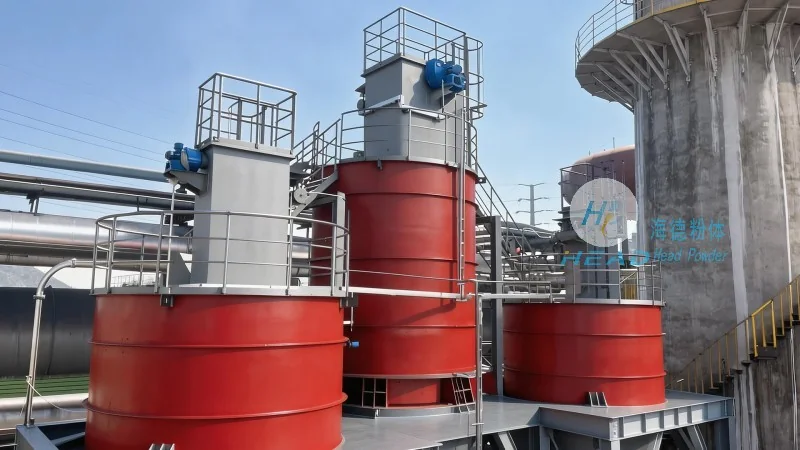
For example, in a graphite electrode manufacturing plant, the pneumatic conveying system transports graphite lumps from the raw material warehouse to the grinding and mixing department. The material is then processed into fine powders and used to produce electrodes for electric arc furnaces. The system ensures controlled material flow, preventing dust generation and maintaining a clean working environment—critical for producing high-quality electrodes. Similarly, in a graphite lubricant production facility, the conveying system moves graphite lumps from storage to mixing and blending units, where they are combined with other ingredients to create high-performance lubricants. This seamless integration with other processing equipment ensures a smooth and continuous production flow.
The working scene characteristics also highlight the system’s adaptability to different graphite grades and particle sizes. This flexibility allows manufacturers to use a single conveying system for various graphite products, reducing the need for multiple equipment setups and lowering operational costs. Moreover, the system’s scalability makes it suitable for both small-scale and large-scale graphite processing operations, from pilot plants to full-scale production facilities. This adaptability is a key factor in its widespread adoption across the graphite industry.




