Zinc oxide, a vital industrial material utilized extensively in pharmaceuticals, ceramics, and rubber industries, often necessitates efficient and reliable material handling solutions for its transportation. Pneumatic conveying, a technology that leverages air to transport bulk materials, presents a viable solution for zinc oxide handling. This article delves into the fundamental principles of zinc oxide pneumatic conveying and highlights its key application scenarios, offering insights into how this technology enhances operational efficiency across various industrial settings.
Principles of Pneumatic Conveying for Zinc Oxide
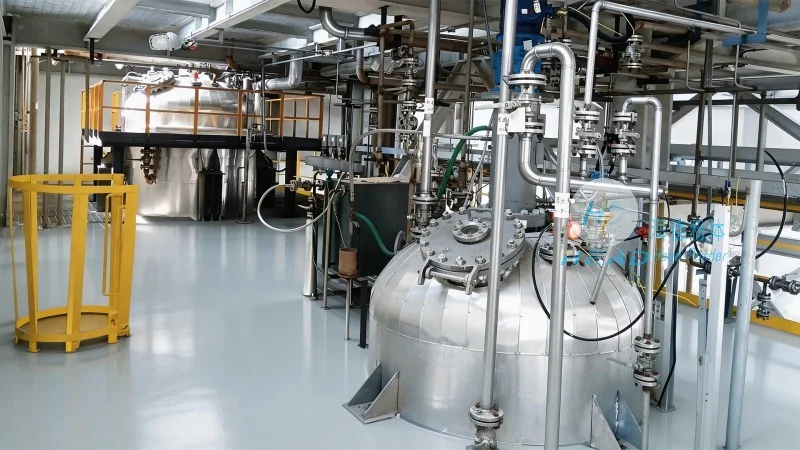
The core principle of pneumatic conveying involves utilizing air to move particulate materials like zinc oxide through a pipeline system. There are two primary types of pneumatic conveying: pressure and vacuum systems. In pressure systems, compressed air is introduced at the material inlet, creating a high-pressure environment that propels the material forward. Conversely, vacuum systems employ a vacuum at the discharge end to draw the material into the pipeline. For zinc oxide, which is typically in fine powder form, pressure systems are commonly preferred due to their capacity to handle high volumes and maintain material integrity. The process generally involves a hopper where the zinc oxide is stored, a feeder that controls the material flow, a pipeline network, and a receiver where the material is deposited. The air flow rate and pressure are meticulously controlled to ensure smooth and continuous transport, minimizing issues such as material degradation or blockages.
Key Application Scenarios of Zinc Oxide Pneumatic Conveying
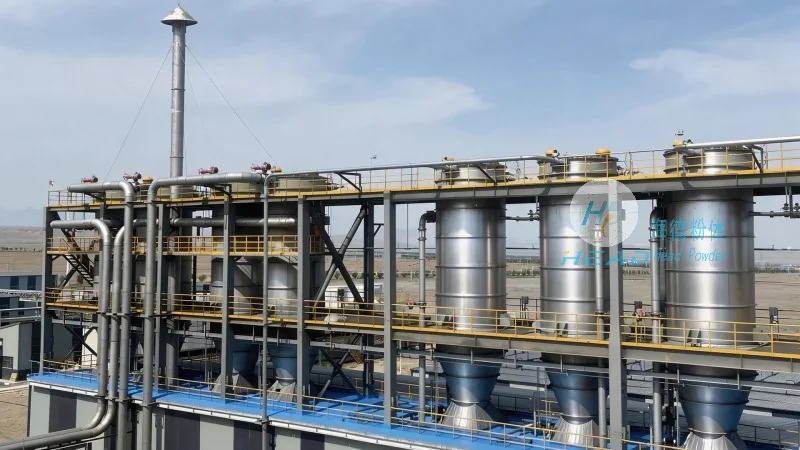
Zinc oxide pneumatic conveying is employed in diverse industrial applications, each tailored to specific operational needs. In pharmaceutical manufacturing, for instance, the technology is used to transport zinc oxide powders from storage to production lines, ensuring a sterile and controlled environment. The ability to handle fine powders without contamination is critical in this sector, as any impurities can affect product quality and safety. In the ceramics industry, zinc oxide serves as a raw material in glazes and pigments. Pneumatic conveying enables precise dosing and mixing, facilitating manufacturers to achieve consistent color and texture in their products. The rubber industry also benefits from this technology, as zinc oxide is a key component in rubber compounding, providing properties like reinforcement and UV protection. Additionally, in chemical processing plants, pneumatic conveying facilitates the transfer of zinc oxide between reactors and storage tanks, optimizing production workflows and reducing downtime.
Advantages of Using Pneumatic Conveying for Zinc Oxide
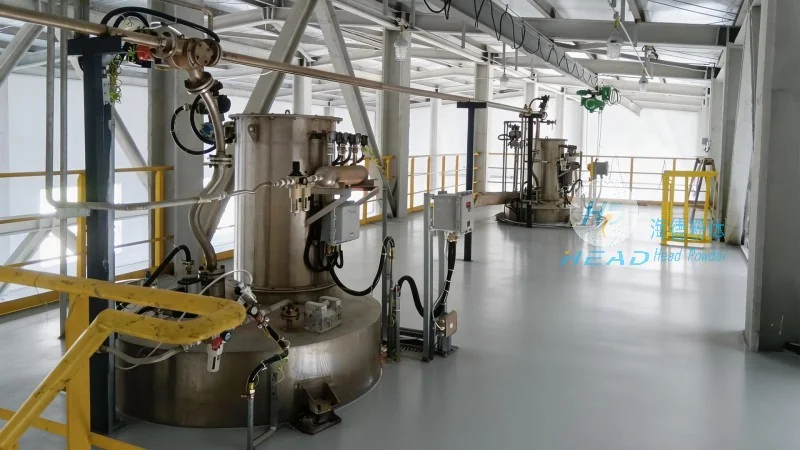
Implementing pneumatic conveying for zinc oxide offers several advantages that enhance overall operational performance. One of the primary benefits is the reduction in material handling costs, as it eliminates the need for mechanical conveyors and reduces labor requirements. The technology also minimizes product contamination and degradation, which is essential for high-value applications like pharmaceuticals. Furthermore, pneumatic conveying systems are flexible and can be easily integrated into existing production lines, allowing for scalability and adaptability to changing production demands. Another advantage is the ability to handle hazardous materials safely, as the enclosed pipeline system prevents dust emissions and exposure to workers. This safety aspect is particularly important for zinc oxide, which, while generally non-toxic, can cause respiratory issues if inhaled in large quantities. The technology also contributes to improved workplace safety by reducing manual handling of heavy or bulky materials.
Considerations for Implementing Zinc Oxide Pneumatic Conveying Systems
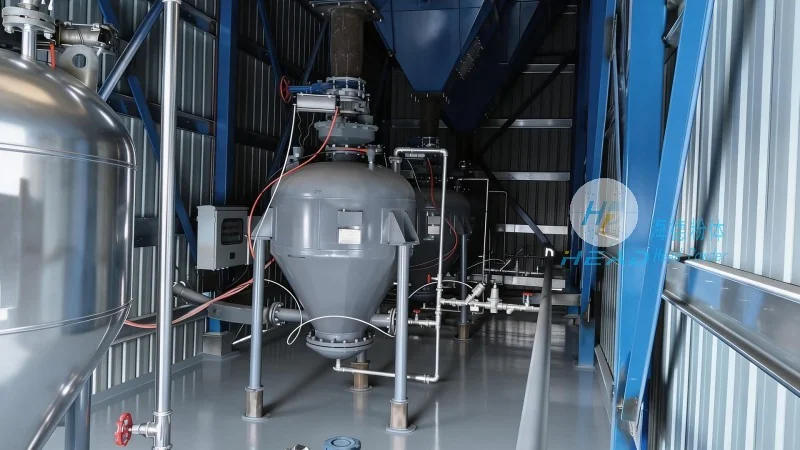
When implementing a pneumatic conveying system for zinc oxide, several factors must be considered to ensure optimal performance and longevity. Material properties, such as particle size, density, and moisture content, play a critical role in system design. Fine zinc oxide powders may require higher air velocities to prevent settling or blockages, while larger particles may necessitate different system configurations. The system's capacity and flow rate must be matched to the production requirements to avoid bottlenecks or inefficiencies. Additionally, the choice between pressure and vacuum systems depends on the specific application, with pressure systems generally preferred for long-distance or high-volume transport. Maintenance and operational costs are also important considerations, as pneumatic systems require regular cleaning and component replacement to maintain efficiency. Proper system sizing and design by experienced engineers are essential to avoid issues such as air leaks, pressure drops, or material buildup, which can lead to system failures and downtime.




