HeadPowder, a leading engineering firm based in Shandong, China, specializes in the design and implementation of advanced pneumatic conveying systems tailored for corn feed applications. This article delves into the fundamental principles of corn feed pneumatic conveying and highlights the key characteristics of its operational environments.
Understanding the Core Principles of Corn Feed Pneumatic Conveying
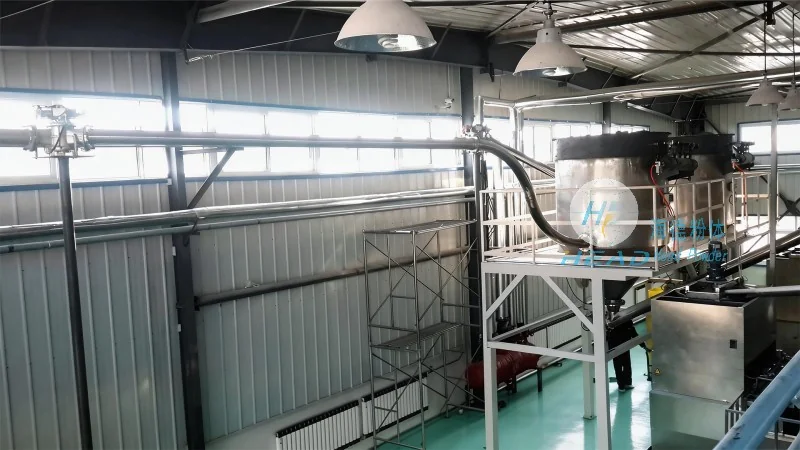
Pneumatic conveying is a method of transporting bulk materials, such as corn feed, through a pipeline using air or gas as the conveying medium. The process typically involves a system where material is fed into a hopper, which then releases the material into a pipeline under pressure. As the material travels through the pipeline, it is propelled by the moving air, allowing for efficient and continuous transport. The principles of this technology are centered on the balance between the material's density, the air velocity, and the pipeline design. A well-designed system ensures that the material is carried without excessive wear on the equipment and maintains consistent flow rates. The use of positive pressure systems, where air is forced through the pipeline, is common in corn feed applications due to its ability to handle abrasive materials and prevent dust contamination. This approach enhances the overall efficiency and reliability of the conveying process.
Key Working Scene Characteristics of Corn Feed Pneumatic Conveying Systems
The operational environments for corn feed pneumatic conveying systems are characterized by several critical factors that influence system performance and design. First, the material's properties, including its moisture content, particle size distribution, and flowability, play a significant role in determining the optimal conveying method. Corn feed, being a granular material with varying characteristics, requires systems that can handle both dry and slightly moist feed without clogging or degradation. Second, the system's scalability is essential, as feed processing facilities often need to transport large volumes of material over long distances. The ability to adjust air pressure and flow rates allows for flexibility in meeting varying production demands. Third, the need for dust control and environmental compliance is a major consideration. Pneumatic conveying systems are designed with dust collection and filtration systems to minimize airborne particles, ensuring a clean and safe working environment. Additionally, the integration of the system with existing feed processing infrastructure is crucial. This includes compatibility with storage silos, processing equipment, and packaging systems, ensuring seamless operation from raw material intake to final product delivery.
System Components and Operational Efficiency
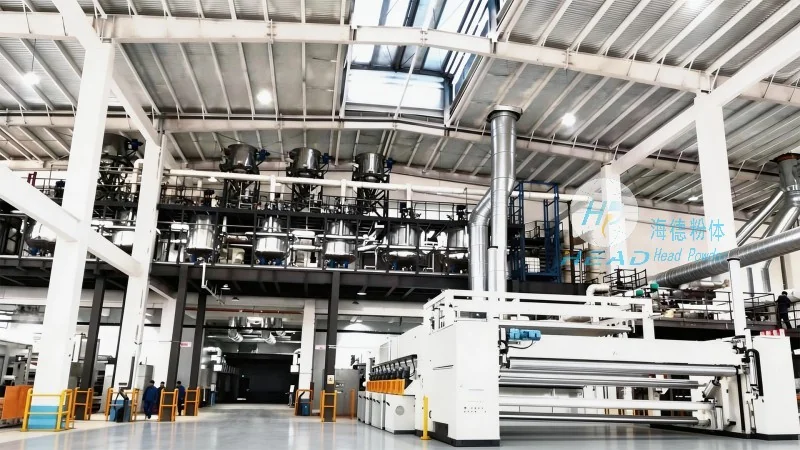
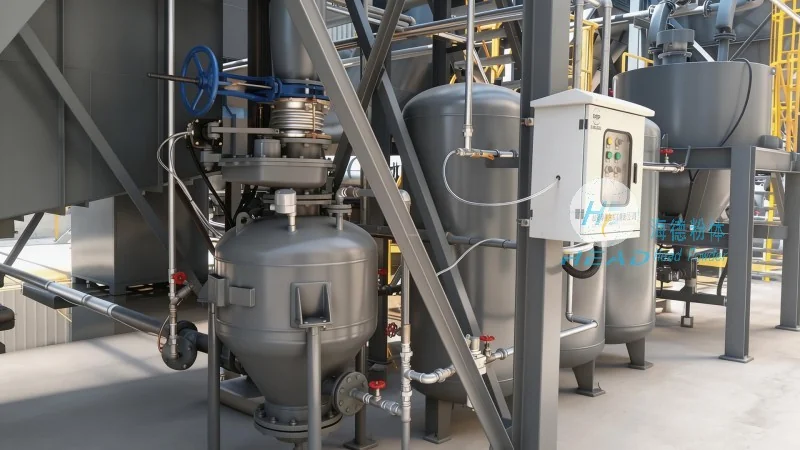
The effectiveness of a corn feed pneumatic conveying system depends on the integration of several key components. The hopper and feeder are critical for maintaining a consistent material flow, preventing blockages and ensuring that the material is fed at the correct rate. The pipeline network, constructed from durable materials such as stainless steel or high-density polyethylene, must be designed to withstand the abrasive nature of corn feed and resist corrosion. The air compressor and pressure control systems are responsible for generating the necessary air pressure to move the material through the pipeline. Proper maintenance of these components is essential to ensure long-term operational efficiency and minimize downtime. Furthermore, the system's ability to handle variations in feed quality and volume is a key factor in its overall reliability. Advanced control systems, often integrated with sensors and monitoring devices, allow for real-time adjustments to air pressure and flow, optimizing the conveying process and reducing energy consumption.
Applications and Industry Standards
Corn feed pneumatic conveying systems are widely used in various stages of the feed production process. From raw material handling and storage to processing and packaging, these systems play a vital role in ensuring efficient material transport. In the raw material intake stage, systems are used to move corn from storage silos to processing facilities, often over long distances. During processing, the system transports the feed through various stages, such as grinding, mixing, and pelleting, ensuring that the material is evenly distributed and processed. The final stage involves transporting the finished feed to packaging and storage areas. Compliance with industry standards, such as those set by the National Sanitation Foundation (NSF) and the American Society of Agricultural and Biological Engineers (ASABE), is essential to ensure the safety and quality of the feed. These standards cover aspects such as material handling, equipment design, and environmental protection, ensuring that the systems meet the highest industry benchmarks.
Conclusion and Future Trends
HeadPowder's expertise in corn feed pneumatic conveying systems is built on a foundation of understanding the fundamental principles and operational characteristics of these systems. By focusing on the specific needs of corn feed applications, the company provides tailored solutions that enhance efficiency, reliability, and safety. As the feed industry continues to evolve, the demand for advanced material handling systems will remain high. Future trends may include the integration of more sophisticated control systems, the use of renewable energy sources to power the conveying systems, and the development of more sustainable materials for pipeline construction. However, the core principles of pneumatic conveying will remain relevant, as it continues to offer a reliable and efficient method for transporting bulk materials like corn feed. HeadPowder remains committed to delivering innovative solutions that meet the evolving needs of the feed industry, ensuring that their systems are at the forefront of technological advancement.




