Efficient and reliable material handling is a critical aspect of modern agricultural and industrial operations, especially when dealing with bulk materials like potassium carbonate fertilizer. Pneumatic conveying systems offer a sophisticated solution to transport these materials with precision and minimal disruption. This article delves into the fundamental principles of potassium carbonate fertilizer pneumatic conveying and explores the distinct characteristics of its working environments.
Understanding the Core Principles of Pneumatic Conveying for Potassium Carbonate Fertilizer
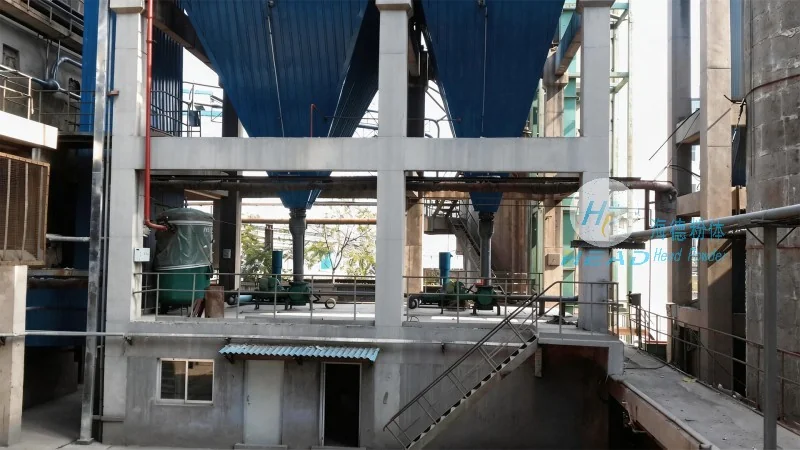
At the heart of pneumatic conveying systems lies the use of air or gas to transport solid materials through a pipeline. For potassium carbonate fertilizer, which is often a fine or granular powder, this method provides several advantages over traditional mechanical conveying. The primary principle involves creating a flow of air that lifts and propels the fertilizer particles through the system. This is achieved by generating a pressure differential, either through positive pressure (where air is forced into the system) or negative pressure (where air is drawn out, creating a vacuum). The choice between these methods depends on factors such as the material's properties, the distance to be covered, and the system's design requirements.
Key components of a pneumatic conveying system for potassium carbonate fertilizer include the feed hopper, which holds the material; the conveyor line, typically made of durable materials like stainless steel to resist corrosion from the fertilizer; the air mover (either a blower or a vacuum pump); and the discharge unit, which delivers the fertilizer to its destination. The system's efficiency is heavily influenced by the air velocity and the pressure maintained throughout the pipeline. Proper design ensures that the air velocity is sufficient to prevent material settling or blockages, while also minimizing energy consumption.
Key Working Scene Characteristics of Pneumatic Conveying Systems
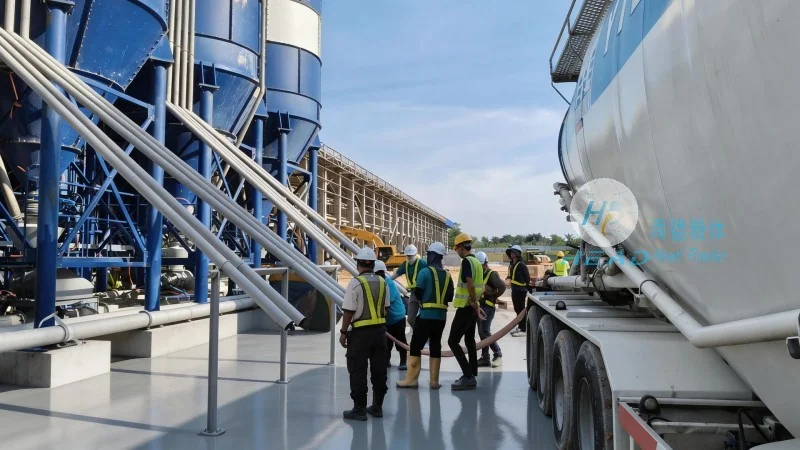
The working environment of a pneumatic conveying system for potassium carbonate fertilizer is characterized by several unique features that impact its operation and maintenance. One of the most significant aspects is the material's physical properties. Potassium carbonate fertilizer is often hygroscopic, meaning it can absorb moisture from the air, which may affect its flow characteristics and the system's performance. Therefore, maintaining a controlled environment within the conveyor line is crucial to prevent clumping or caking. Additionally, the system must be designed to handle the material's potential dust generation, as fine particles can create air quality issues and require proper filtration and ventilation.
Another critical characteristic is the system's scalability and adaptability. Pneumatic conveying systems can be tailored to various operational needs, from small-scale applications in agricultural settings to large-scale industrial operations. The flexibility in pipeline layout allows for integration with existing infrastructure, making it a viable option for both new installations and retrofitting existing facilities. This adaptability also extends to the system's ability to handle different fertilizer types or grades, ensuring versatility in agricultural and industrial applications.
Operational efficiency and reliability are paramount in working scenes. Pneumatic conveying systems are known for their ability to minimize material handling time and labor costs compared to traditional methods like belt conveyors or manual loading. The automated nature of the system reduces the risk of human error and ensures consistent material flow. However, the system's performance is dependent on regular maintenance and monitoring. Factors such as air pressure, flow rates, and material feed rates must be continuously adjusted to maintain optimal operation. This requires skilled personnel who understand the system's mechanics and can address any issues promptly.
Company Overview: Shandong HeadPowder Engineering Co., Ltd.
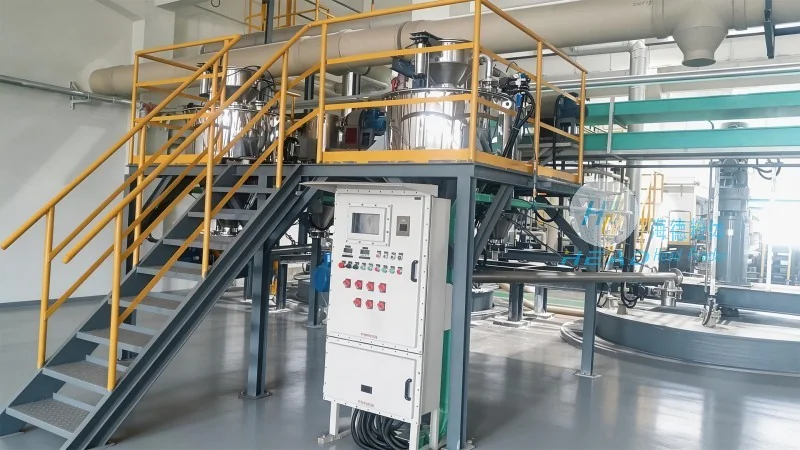
As a leading provider of engineering solutions for material handling, Shandong HeadPowder Engineering Co., Ltd. specializes in designing and implementing pneumatic conveying systems tailored to the needs of potassium carbonate fertilizer applications. With a focus on innovation and customer satisfaction, the company has established itself as a trusted partner in the agricultural and industrial sectors. HeadPowder's expertise lies in understanding the unique challenges of handling potassium carbonate fertilizer and developing customized solutions that enhance operational efficiency and safety.
The company's headquarters is located in Shandong, China, where it leverages advanced technology and experienced engineers to develop state-of-the-art pneumatic conveying systems. By combining technical knowledge with practical experience, HeadPowder ensures that its systems meet the highest standards of performance and reliability. The company's commitment to quality is reflected in its adherence to industry best practices and continuous improvement initiatives. Clients benefit from HeadPowder's comprehensive approach, which includes system design, installation, and ongoing support to ensure long-term success.




