Aluminum dross, a byproduct of aluminum smelting and processing, poses significant challenges in handling and transportation due to its high moisture content, abrasive nature, and potential for dust generation. Traditional methods like manual handling or mechanical conveyors often lead to inefficiencies, increased operational costs, and safety hazards. To address these issues, pneumatic conveying systems have emerged as a sophisticated solution, offering efficient, safe, and automated methods for aluminum dross transportation. This article explores the fundamental principles of aluminum dross pneumatic conveying systems and highlights the key working scene characteristics that make them indispensable in modern industrial applications.
The Core Principle of Pneumatic Conveying for Aluminum Dross
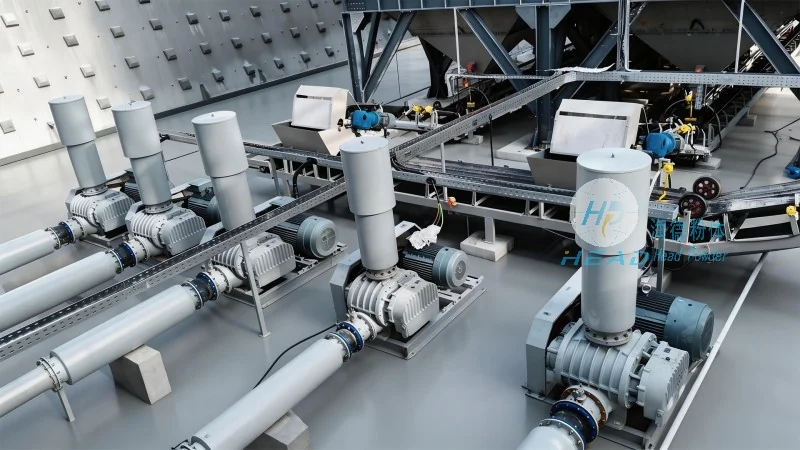
The principle of pneumatic conveying involves the use of compressed air or gas to transport bulk materials through a pipeline system. In the context of aluminum dross, this technology leverages the kinetic energy of the air stream to move the material from the source to the destination. The system typically consists of a hopper, a blower or air compressor, a pipeline network, and a discharge unit. The aluminum dross is fed into the hopper, where it is mixed with air under controlled pressure. The air stream then propels the dross particles through the pipeline, ensuring a continuous and uniform flow. This method eliminates the need for mechanical components that come into direct contact with the abrasive dross, reducing wear and tear and extending equipment lifespan. The efficiency of the system is further enhanced by the ability to control air velocity and pressure, which optimizes material transport while minimizing energy consumption.
Key Working Scene Characteristics of Aluminum Dross Pneumatic Conveying Systems
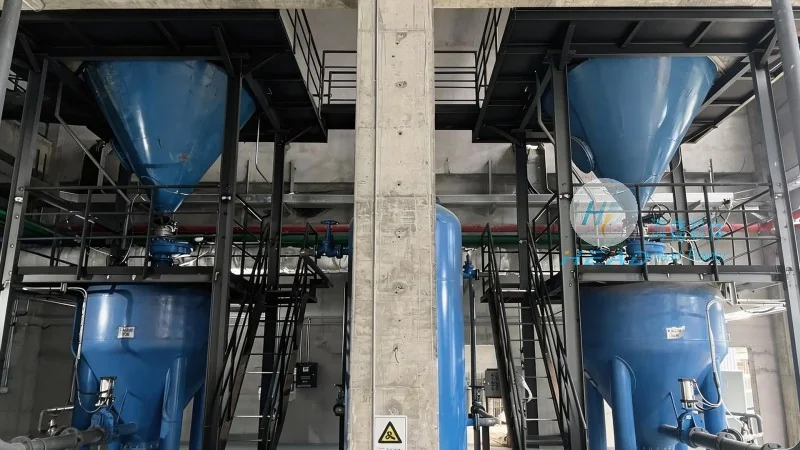
The effectiveness of aluminum dross pneumatic conveying systems is heavily influenced by several working scene characteristics that must be considered during system design and implementation. Firstly, the material's physical properties, such as particle size distribution, moisture content, and density, play a critical role. Aluminum dross often contains a mix of fine and coarse particles, which can affect the air flow and require adjustments to the system's air pressure and velocity. Secondly, the distance and layout of the conveying route are crucial. The system's performance is directly related to the length and complexity of the pipeline, as longer distances may necessitate additional booster units to maintain sufficient air pressure. Thirdly, the environmental conditions, including temperature and humidity, impact the system's operation. High humidity can lead to material clumping, while extreme temperatures may affect the air compressor's performance. Lastly, the system's integration with other industrial processes is vital. In many aluminum production facilities, the pneumatic conveying system must connect seamlessly with smelting furnaces, storage silos, or recycling equipment, ensuring a smooth and continuous material flow. These characteristics highlight the need for a customized approach to system design, tailored to the specific requirements of each industrial application.
Applications and Benefits in Industrial Settings
Aluminum dross pneumatic conveying systems find widespread application in various industrial settings, particularly in aluminum smelting plants, recycling facilities, and foundries. In smelting operations, the system efficiently transports dross from the furnace to storage or processing areas, reducing manual handling and associated safety risks. In recycling facilities, the technology enables the transfer of dross to melting furnaces or treatment units, facilitating the recovery of valuable aluminum content. Foundries also benefit from these systems by ensuring a consistent supply of dross for secondary processing, improving overall production efficiency. The benefits of pneumatic conveying extend beyond material transport, including reduced labor costs, minimized equipment maintenance, and enhanced workplace safety. By eliminating the need for manual handling of abrasive and potentially hazardous materials, the system lowers the risk of occupational injuries and improves compliance with safety regulations. Additionally, the automated nature of the process allows for consistent material flow, which is essential for maintaining production schedules and optimizing resource utilization.
Customization and System Design by Shandong HeadPowder Engineering Co., Ltd.
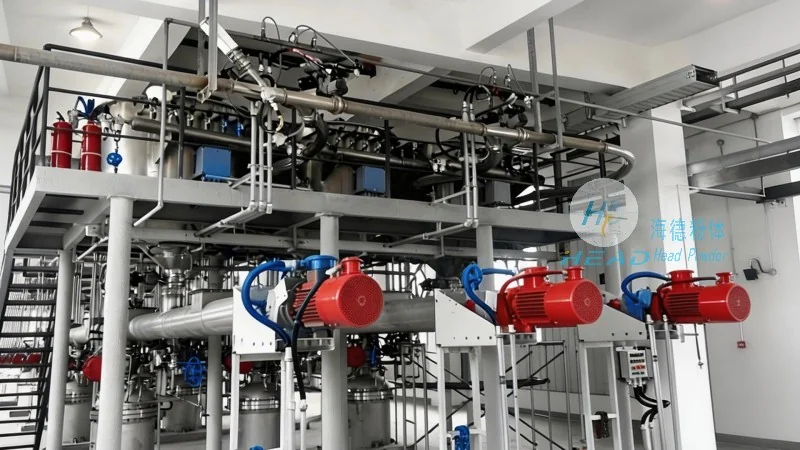
Shandong HeadPowder Engineering Co., Ltd., a leading provider of industrial material handling solutions, specializes in designing and manufacturing customized aluminum dross pneumatic conveying systems. With a focus on meeting the unique needs of each client, the company offers tailored solutions that address the specific challenges of aluminum dross handling. The engineering team at HeadPowder conducts thorough assessments of the client's operational requirements, including material properties, conveying distances, and environmental conditions, to develop an optimal system design. The company utilizes advanced simulation tools and material testing to ensure the system's efficiency and reliability. HeadPowder's systems are constructed using high-quality materials, such as stainless steel and abrasion-resistant components, to withstand the harsh conditions of aluminum dross processing. The company also provides comprehensive after-sales support, including installation, commissioning, and maintenance services, ensuring long-term system performance. By partnering with HeadPowder, industrial facilities can enhance their material handling capabilities, reduce operational costs, and improve overall productivity.




