Heavy powder pneumatic conveying systems represent a sophisticated technology used in industrial processes to transport bulk materials like powders and granules through a pipeline using compressed air or other gas as the conveying medium. Understanding the underlying principles and the diverse application scenarios is crucial for selecting the right system for specific industrial needs.
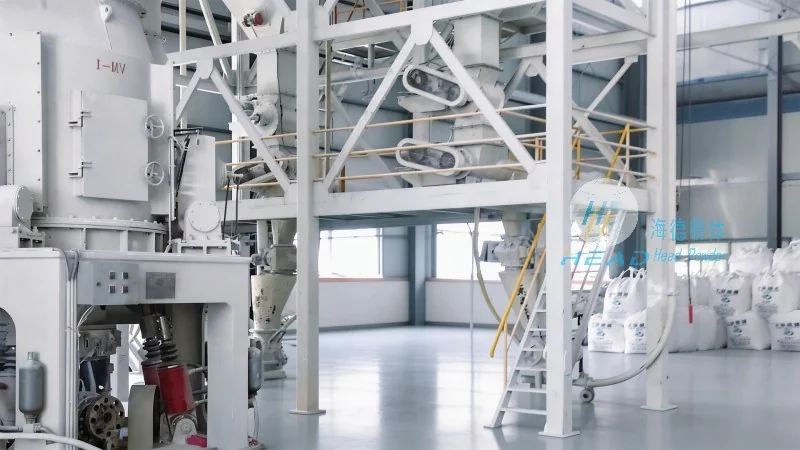
Company Profile and Background
HeadPowder, a leading manufacturer in the field, specializes in the design, development, and implementation of advanced pneumatic conveying solutions. With a strong presence in China, particularly in Shandong province, the company leverages its expertise to deliver customized systems tailored to the unique requirements of various industries. The company's commitment to innovation and quality ensures that clients receive reliable and efficient equipment for their material handling challenges.
Principles of Heavy Powder Pneumatic Conveying
The core principle of pneumatic conveying involves the use of air flow to move particulate materials through a pipeline. In the case of heavy powder systems, the design typically incorporates high-pressure or high-volume air to ensure effective transport of dense and often abrasive powders. The system operates by creating a pressure differential between the inlet and outlet, which propels the material along the pipeline. Key components include the material feed hopper, air compressor, conveying line, and discharge equipment. The air flow rate and pressure are carefully controlled to maintain optimal conveying efficiency and prevent material degradation or blockages.
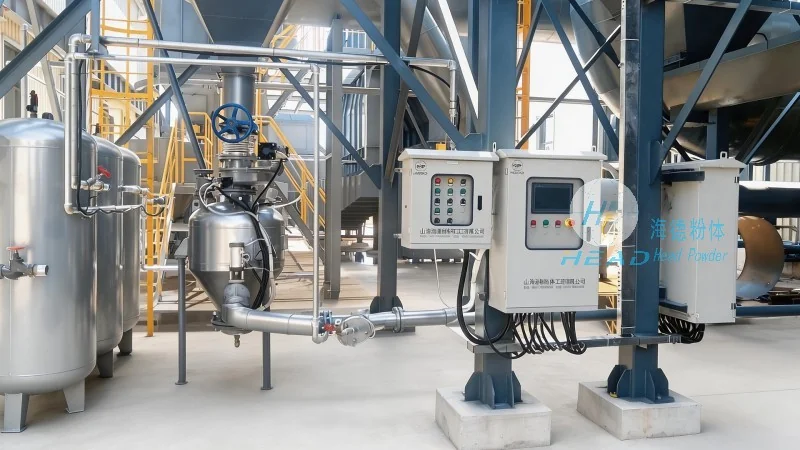
Working Mechanism and Key Components
The working mechanism of a heavy powder pneumatic conveying system involves several critical steps. First, the powder is fed into the system from a hopper or silo. Then, compressed air is introduced into the conveying line, creating a flow that lifts and transports the powder particles. The system may use either positive pressure (where air is pushed through the line) or negative pressure (where air is drawn through the line), depending on the specific application and material characteristics. Key components include the air compressor, which generates the necessary pressure; the material feeder, which controls the flow rate of the powder; the conveying pipeline, which transports the material; and the receiver or discharge unit, which collects the material at the destination. Proper maintenance and calibration of these components are essential to ensure consistent performance and minimize downtime.
Application Scenarios and Industry Use Cases
Heavy powder pneumatic conveying systems find wide applications across various industries due to their ability to handle abrasive, corrosive, or temperature-sensitive materials. In the chemical industry, these systems are used to transport powders such as pigments, catalysts, and specialty chemicals, ensuring safe and efficient handling. The food and pharmaceutical industries also rely on such systems for transporting ingredients and raw materials, maintaining strict hygiene standards. In the mining and minerals sector, heavy powder systems are employed to convey bulk materials like ores and minerals from processing plants to storage facilities. Additionally, in the cement and construction materials industry, these systems are used to transport cement, fly ash, and other powders, improving operational efficiency and reducing handling costs.
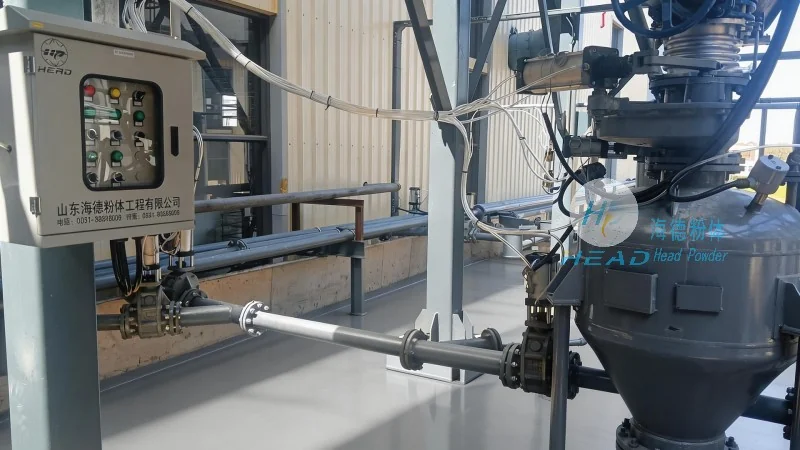
Advantages and Benefits of Heavy Powder Pneumatic Conveying
Implementing a heavy powder pneumatic conveying system offers numerous advantages over traditional material handling methods. One of the primary benefits is the ability to transport materials over long distances without the need for multiple transfer points or manual handling. This reduces labor costs and minimizes the risk of material contamination or loss. The systems also provide a closed-loop operation, which helps in controlling dust emissions and maintaining a clean working environment. Furthermore, the flexibility of pneumatic conveying allows for easy integration with existing production lines and the ability to adjust the conveying rate based on production demands. The reduced need for storage silos and transfer equipment also contributes to lower capital and operational costs.
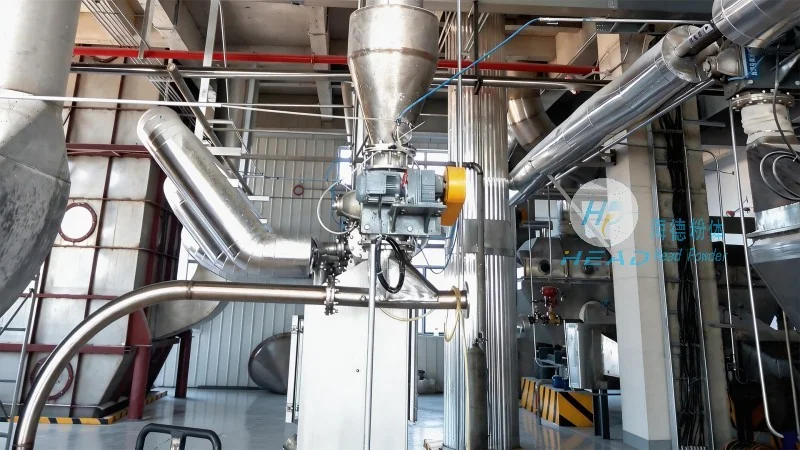
Considerations for System Selection and Installation
When selecting a heavy powder pneumatic conveying system, several factors must be considered to ensure optimal performance and longevity. The first consideration is the type and characteristics of the material being conveyed, including its density, particle size, moisture content, and abrasiveness. These factors influence the choice of system design, such as whether a positive or negative pressure system is more suitable. The distance and elevation changes between the source and destination also play a critical role in determining the required air pressure and flow rate. Additionally, the system's capacity and the expected throughput must be matched to the production requirements to avoid underutilization or overloading. Proper installation and maintenance are equally important, as the system's performance is directly related to the quality of the components and the regular upkeep of the equipment.
Conclusion
Heavy powder pneumatic conveying systems, as exemplified by the solutions offered by Shandong HeadPowder Engineering Co., Ltd., represent a reliable and efficient method for handling bulk materials in various industrial applications. By understanding the principles of operation and the diverse application scenarios, industries can make informed decisions when selecting and implementing such systems. The benefits of reduced labor costs, improved safety, and enhanced operational efficiency make these systems a valuable investment for any company dealing with powder and granular materials. With continuous advancements in technology and design, the future of pneumatic conveying systems looks promising, offering even more sophisticated and effective solutions for industrial material handling challenges.




