HeadPowder, a leading manufacturer in the field of pneumatic conveying systems, specializes in providing efficient and reliable solutions for transporting PVC powders. This article delves into the fundamental principles of PVC powder pneumatic conveying systems and highlights the key characteristics of their operational environments.
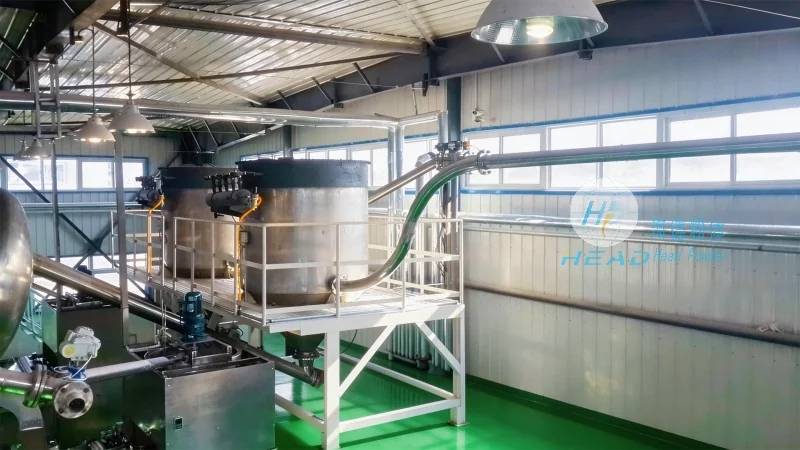
Understanding the Core Principles of PVC Powder Pneumatic Conveying Systems
At the heart of PVC powder pneumatic conveying systems lies the mechanism of transporting bulk materials through a pressurized or vacuumed air stream. The system typically consists of several critical components, including a material feeder, a conveying line, a separation unit, and a discharge device. The material feeder is responsible for accurately dosing the PVC powder into the conveying line, ensuring a consistent flow rate. The conveying line, often made of durable materials like stainless steel or special polymers, transports the powder through the system under controlled pressure. The separation unit, such as a cyclone or bag filter, separates the powder from the air stream, preventing dust emissions and ensuring material purity. Finally, the discharge device delivers the PVC powder to the target location, such as a storage silo or processing unit.
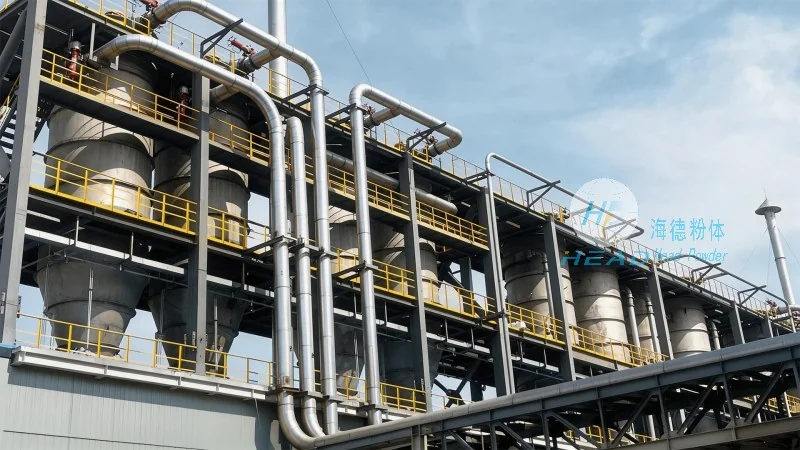
Key Working Scene Characteristics of PVC Powder Pneumatic Conveying Systems
The operational environment of PVC powder pneumatic conveying systems is characterized by several distinct features that influence their design and performance. Firstly, the system must handle the specific properties of PVC powder, which includes its particle size, moisture content, and flowability. PVC powders are often fine and can be prone to agglomeration, requiring specialized feeding mechanisms to maintain a smooth flow. Secondly, the system operates under controlled pressure conditions, which can vary depending on the distance and height of the conveying line. Proper pressure management is crucial to prevent material blockages and ensure efficient transport. Thirdly, the system is designed to minimize dust generation and maintain air quality, as PVC powders can be hazardous if inhaled or cause environmental issues. This is achieved through effective filtration and separation systems. Lastly, the system's scalability allows it to adapt to different production volumes and operational requirements, making it suitable for both small-scale and large-scale industrial applications.
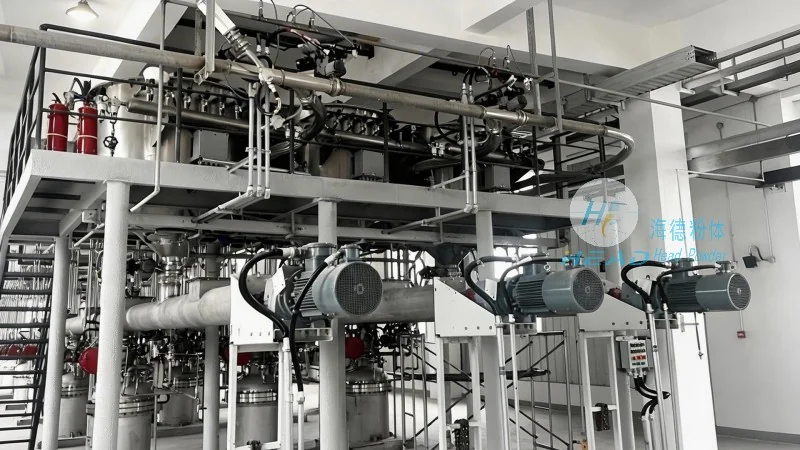
Applications and Industry Integration
PVC powder pneumatic conveying systems are widely used in various industries where PVC powders are a key raw material. These include the plastic manufacturing industry, where PVC powders are used to produce pipes, sheets, and other products. The system's ability to handle large volumes of material efficiently makes it ideal for continuous production lines. In the construction industry, PVC powders are used in the production of building materials, such as PVC windows and doors, and the conveying system ensures a steady supply of raw material to the manufacturing process. Additionally, in the chemical industry, PVC powders are used as additives in various products, and the pneumatic conveying system provides a safe and efficient method for transporting these materials. The system's flexibility and reliability make it a preferred choice for industries that require consistent and high-quality material transport.




