HeadPowder, a leading manufacturer in the field of material handling solutions, specializes in the design, production, and installation of advanced corn pneumatic conveying systems. Based in Shandong, China, the company has established itself as a trusted provider of efficient and reliable equipment for agricultural and industrial applications. This article delves into the core principles of corn pneumatic conveying systems, exploring how these devices operate and the specific scenarios where they excel in transporting corn and related materials.
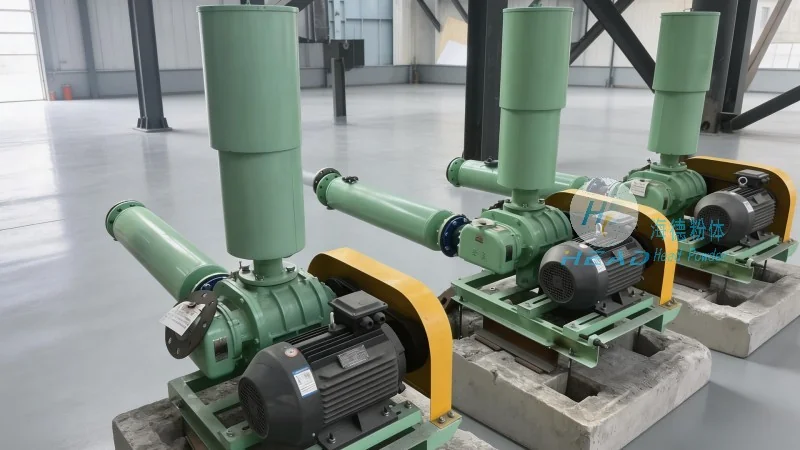
Company Profile and Expertise
Shandong HeadPowder Engineering Co., Ltd., operating under the brand name HeadPowder, is dedicated to delivering high-quality pneumatic conveying solutions tailored to the needs of the agricultural sector. With a strong presence in Shandong, China, the company leverages its expertise in engineering and material handling to develop systems that enhance productivity and efficiency in corn processing and storage. HeadPowder's commitment to innovation and customer satisfaction has positioned it as a key player in the industry, offering customized solutions that meet the unique requirements of each client.
The Principle of Pneumatic Conveying
Pneumatic conveying systems utilize air or gas to transport bulk materials like corn from one location to another. The core principle involves creating a pressure differential between the conveying line and the ambient environment. By generating a flow of air, the system lifts and moves the corn particles through a pipeline, eliminating the need for mechanical components such as belts or buckets. This method is particularly effective for handling granular materials, as it minimizes product degradation and ensures a consistent flow rate. The system typically consists of a blower or compressor, a hopper for material storage, a conveyor line, and a receiver for the discharged material. The air flow is controlled to maintain optimal pressure and velocity, ensuring efficient transport without causing excessive wear or damage to the corn.
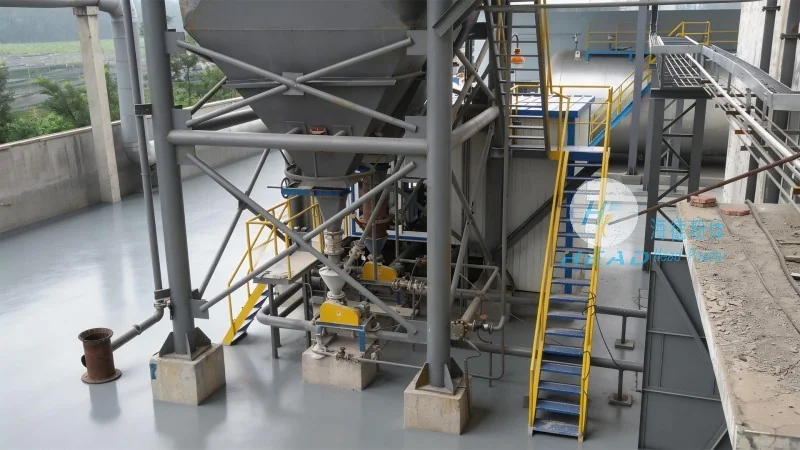
Key Components and Their Functions
Several critical components work in tandem to ensure the smooth operation of a corn pneumatic conveying system. The blower or compressor serves as the power source, generating the necessary air pressure to move the material. The hopper, often equipped with a feeder or valve, holds the corn and regulates the flow into the conveying line. The conveyor line, usually made of stainless steel or other corrosion-resistant materials, is designed to withstand the abrasive nature of corn particles. The receiver, positioned at the end of the line, collects the discharged corn and may include a discharge valve or outlet for further processing. Additionally, components like filters and cyclones are used to separate air from the material, ensuring clean air is released and preventing dust accumulation in the system. These parts collectively contribute to the system's efficiency and longevity.
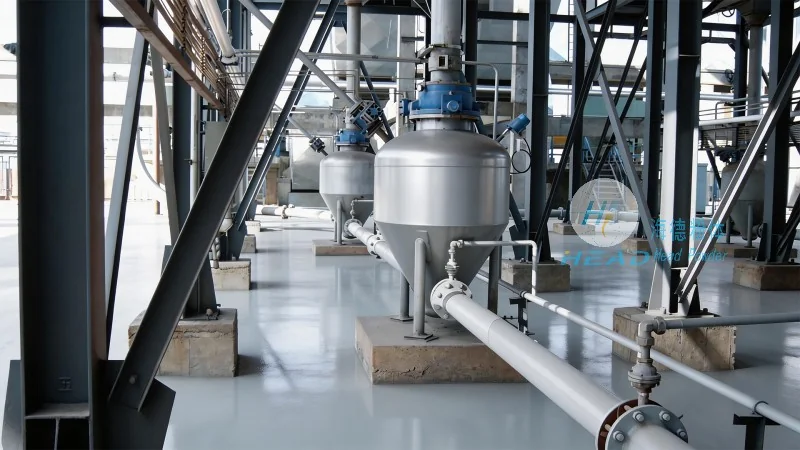
Working Scene Characteristics
Corn pneumatic conveying systems are widely used in various industrial and agricultural settings, each with distinct characteristics that highlight their effectiveness. In corn processing facilities, these systems are employed to transport raw corn from storage silos to processing units, such as dehullers or dryers. The ability to handle large volumes of corn quickly and without manual labor makes the system ideal for high-throughput operations. In storage facilities, pneumatic conveyors are used to move corn between different storage bins or to transfer it to trucks for distribution. The flexibility of these systems allows for vertical, horizontal, or inclined transport, adapting to the layout of the facility. Another common application is in the food processing industry, where the system is used to transport corn for further processing into products like cornmeal, corn syrup, or animal feed. The hygienic design of the equipment, with smooth surfaces and easy-to-clean components, ensures compliance with food safety regulations. Furthermore, in agricultural cooperatives, the system aids in the efficient movement of corn from farms to processing plants, reducing labor costs and improving overall operational efficiency.
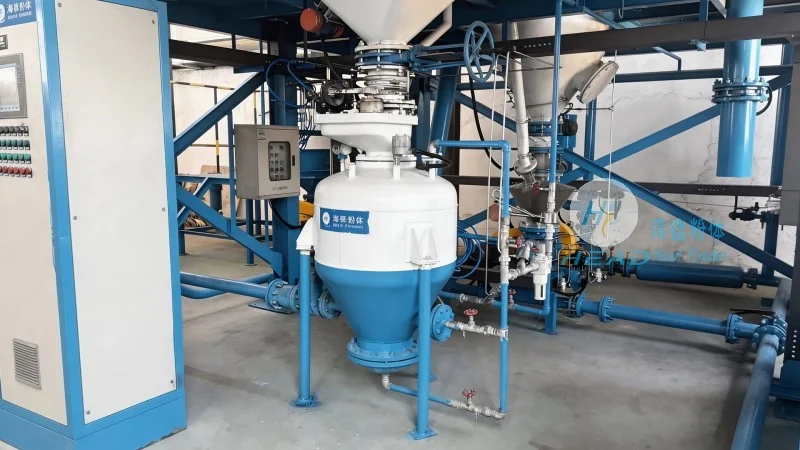
Advantages and Applications
The adoption of corn pneumatic conveying systems offers numerous advantages over traditional mechanical conveying methods. One of the primary benefits is the reduction in labor costs, as the system automates the material transport process, minimizing the need for manual handling. This not only increases productivity but also enhances workplace safety by eliminating the risk of injury from lifting heavy loads. The system also reduces product loss and degradation, as the enclosed pipeline prevents contamination and moisture exposure. Additionally, the flexibility of the system allows for easy integration with existing infrastructure, making it a cost-effective solution for upgrading or expanding material handling capabilities. In terms of applications, these systems are particularly suited for industries where bulk materials need to be transported over long distances or through complex layouts, such as in large-scale corn processing plants or agricultural storage facilities.
Conclusion
HeadPowder's corn pneumatic conveying systems exemplify the advanced technology and engineering expertise that drive modern material handling solutions. By understanding the core principles and working scene characteristics of these systems, industries can leverage their efficiency and reliability to enhance operational performance. With a strong commitment to quality and customer satisfaction, Shandong HeadPowder Engineering Co., Ltd. continues to provide innovative solutions that meet the evolving needs of the agricultural and industrial sectors. The integration of pneumatic conveying technology into corn processing and storage operations ensures a more efficient, cost-effective, and sustainable approach to material handling, supporting the growth and success of businesses in the industry.




