Quicklime powder conveying equipment is a specialized system designed to handle the transportation of quicklime powder, a crucial material in various industrial applications. This equipment plays a vital role in ensuring efficient material handling, particularly in environments where quicklime is used for processes such as flue gas desulfurization, steel production, and chemical manufacturing. The design and functionality of these systems are tailored to meet the unique challenges associated with quicklime's physical properties, including its fine particle size, reactivity, and potential for dust generation.
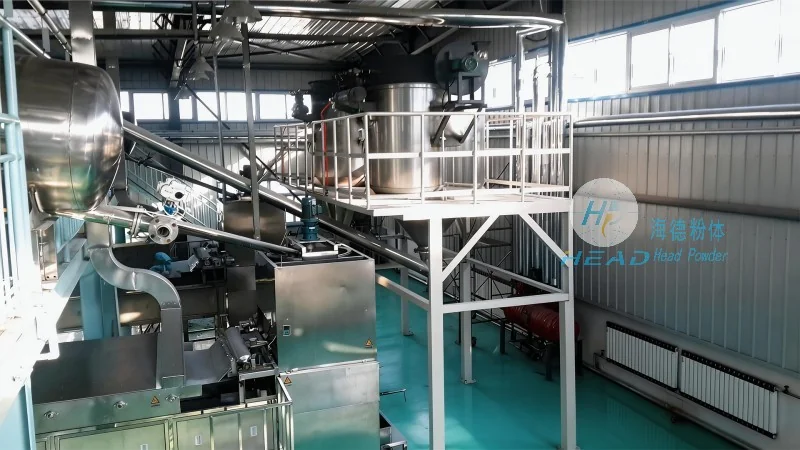
Core Principle of Quicklime Powder Conveying Systems
The fundamental principle behind quicklime powder conveying equipment revolves around the use of pneumatic or mechanical methods to transport the material from a source to a destination. Pneumatic conveying systems, for instance, utilize compressed air to create a flow that carries the powder through a pipeline. This approach is particularly effective for handling fine powders like quicklime, as it minimizes material degradation and reduces the risk of blockages. Mechanical conveyors, on the other hand, may employ screw conveyors, belt conveyors, or bucket elevators, which rely on mechanical motion to move the powder. The choice between pneumatic and mechanical systems depends on factors such as the distance of transportation, the required flow rate, and the specific characteristics of the quicklime being handled.
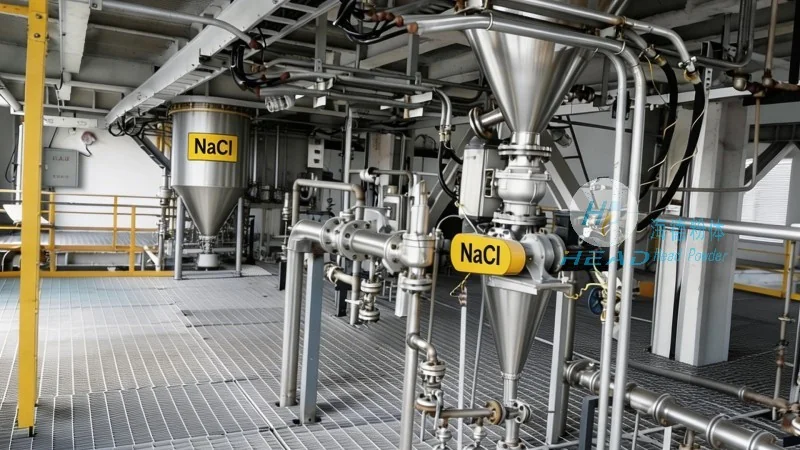
Working Scene Characteristics of Quicklime Powder Conveying Machines
Quicklime powder conveying machines are employed in diverse industrial settings, each presenting distinct operational requirements and challenges. In flue gas desulfurization plants, for example, these systems are essential for transporting quicklime to reaction towers, where it reacts with sulfur dioxide to form calcium sulfite or calcium sulfate. The working environment in such facilities is often characterized by high humidity, temperature variations, and the presence of corrosive gases, necessitating equipment that is robust and resistant to wear and corrosion. In steel mills, quicklime is used as a flux to remove impurities from molten steel, and the conveying equipment must be capable of handling high temperatures and abrasive materials. Additionally, in chemical manufacturing plants, quicklime is used in the production of calcium-based chemicals, and the conveying systems must ensure precise dosing and minimal material loss. The working scene characteristics also include considerations such as space constraints, the need for dust control, and compliance with safety regulations, all of which influence the design and selection of the appropriate conveying equipment.
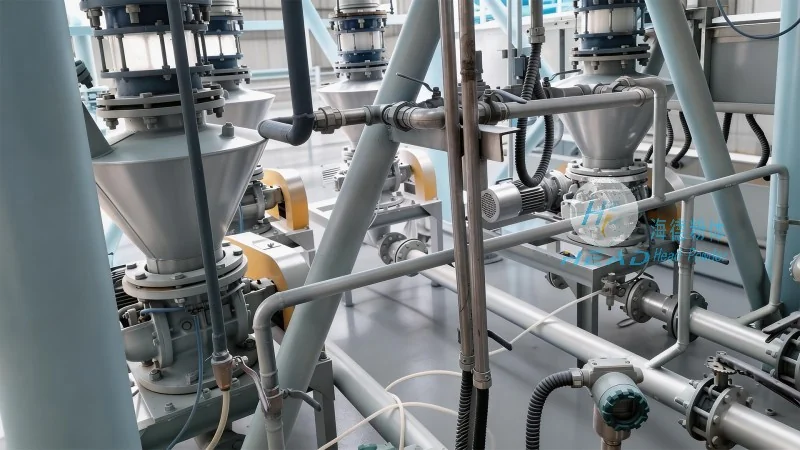
Key Features and Advantages of Quicklime Powder Conveying Equipment
Headpowder, a leading manufacturer of industrial conveying solutions, offers a range of quicklime powder conveying equipment that incorporates advanced features to enhance performance and reliability. These systems are engineered to handle the unique challenges of quicklime, including its fine particle size and reactivity. One of the key advantages is the ability to maintain a consistent flow rate, which is critical for processes that require precise material control. The equipment also features robust construction, with components made from materials resistant to corrosion and wear, ensuring long-term durability. Additionally, the systems are designed with dust control mechanisms, such as sealed pipelines and efficient filtration, to minimize environmental impact and ensure workplace safety. The use of advanced control systems allows for real-time monitoring and adjustment of the conveying process, improving operational efficiency and reducing downtime. These features collectively contribute to the effectiveness of quicklime powder conveying equipment in various industrial applications.
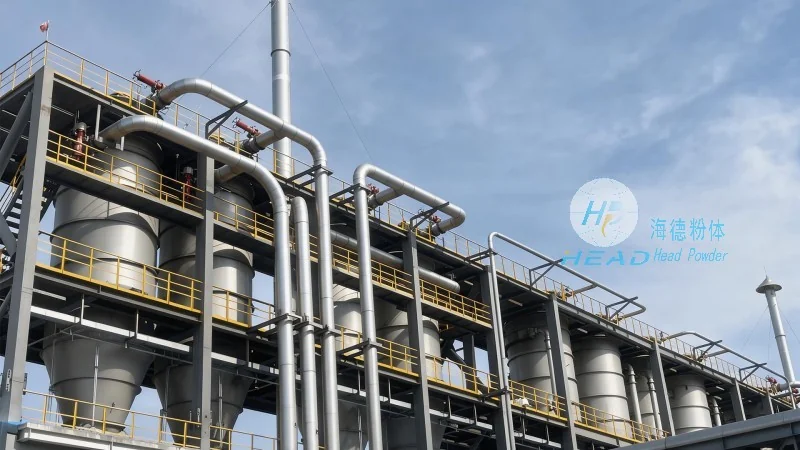
Application Scenarios and Operational Efficiency
The application scenarios of quicklime powder conveying machines vary widely, reflecting the diverse needs of different industries. In power plants, for instance, these systems are integral to the flue gas desulfurization process, where quicklime is used to reduce sulfur dioxide emissions. The efficiency of the conveying system directly impacts the overall performance of the plant, as any disruption in material supply can lead to operational issues. Similarly, in cement and lime production facilities, quicklime is a key raw material, and the conveying equipment must ensure a steady supply to the production line. The operational efficiency of these systems is enhanced by factors such as the design of the conveying pipeline, the type of air or mechanical drive used, and the maintenance practices employed. Regular maintenance, including cleaning of pipelines and replacement of worn components, is essential to maintain optimal performance. The use of high-quality materials and components also contributes to the longevity and reliability of the equipment, reducing the need for frequent repairs and replacements. Overall, the application scenarios of quicklime powder conveying machines highlight their importance in ensuring smooth and efficient industrial operations.




