High-temperature fine powder material conveying is a critical process in various industrial applications, particularly in sectors dealing with thermal power plants, cement production, and chemical processing. The efficient and safe transportation of such materials is essential for maintaining operational efficiency and ensuring product quality. This article explores the fundamental principles behind high-temperature fine powder material conveying, along with the key characteristics of the working scenes where such systems are commonly employed.
Principles of High-Temperature Fine Powder Material Conveying
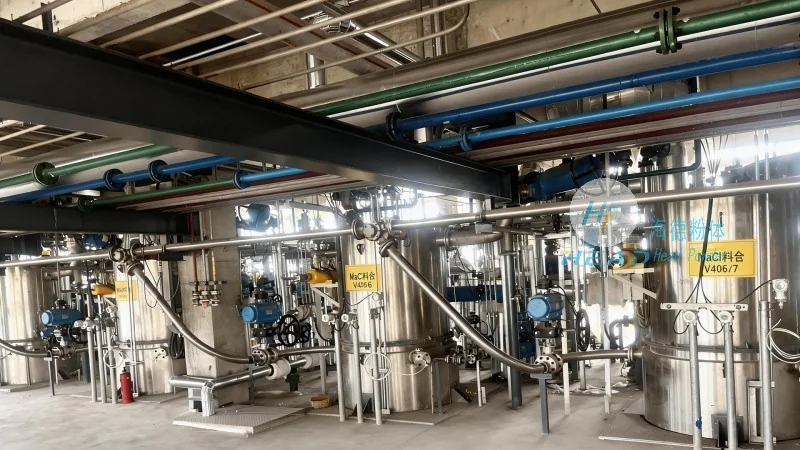
At the core of high-temperature fine powder material conveying systems lies the application of specialized technologies designed to handle materials that are not only fine in particle size but also at elevated temperatures. The primary principles include the use of heat-resistant components, efficient air or gas flow management, and robust control mechanisms to prevent material degradation or equipment failure. The conveying process typically involves the use of pneumatic or mechanical systems, where the fine powder is suspended in a carrier gas and transported through pipelines. Key factors influencing the efficiency of this process include the particle size distribution, moisture content, and the temperature of the material, all of which are carefully controlled to ensure optimal performance.
Working Scene Characteristics of High-Temperature Fine Powder Conveying Systems
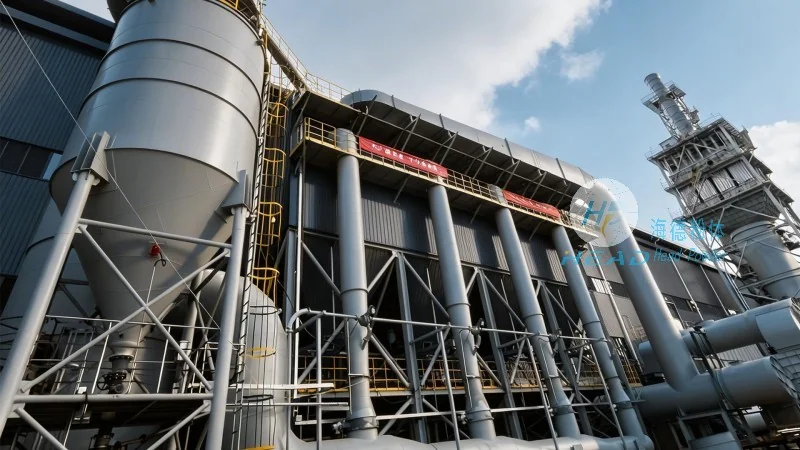
The working scenes where high-temperature fine powder material conveying systems are utilized exhibit distinct characteristics that require specialized engineering solutions. These systems are commonly found in industrial plants such as thermal power stations, where fly ash or bottom ash is transported from the boiler to storage or processing facilities. The high temperatures involved, often exceeding 200°C, necessitate the use of materials with high thermal resistance, such as stainless steel or special alloys, to prevent corrosion and maintain structural integrity. Additionally, the fine particle size of the material can lead to issues like dust accumulation and clogging, which are addressed through the design of efficient filtration and cleaning systems.
Applications and Operational Considerations
High-temperature fine powder material conveying systems are integral to several industrial processes, including the handling of cement raw materials, coal ash, and other thermal byproducts. The operational considerations for these systems focus on maintaining consistent material flow, controlling temperature variations, and ensuring environmental compliance. For instance, in cement production, the conveying of raw materials like limestone and clay at elevated temperatures is crucial for the efficiency of the kiln system. The systems must be designed to handle varying material properties, such as changes in moisture content or particle size, which can affect the conveying efficiency and require adaptive control mechanisms.
Advantages and Challenges in High-Temperature Fine Powder Conveying
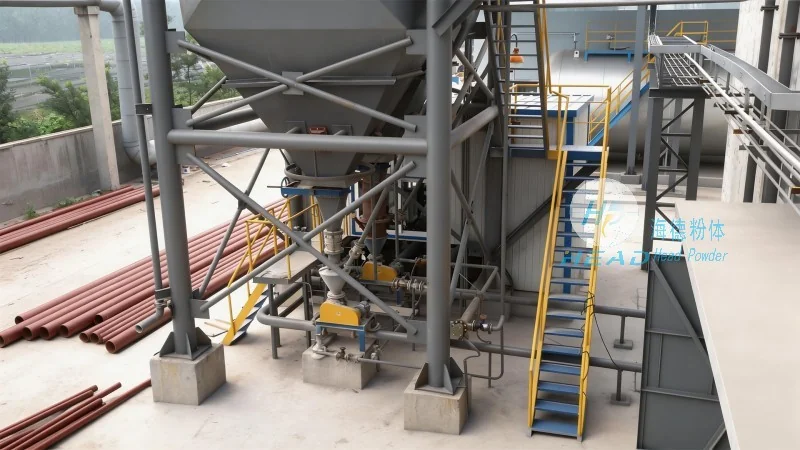
While high-temperature fine powder material conveying offers significant advantages, such as reduced labor costs and improved safety compared to manual handling, it also presents unique challenges. The primary challenges include the prevention of material degradation due to high temperatures, the management of dust emissions to comply with environmental regulations, and the maintenance of equipment under harsh operating conditions. Advanced materials and design techniques, such as heat-resistant coatings and automated cleaning systems, are employed to mitigate these challenges. The advantages, however, include increased operational efficiency, reduced energy consumption, and enhanced product quality, making these systems indispensable in modern industrial settings.
Conclusion and Company Overview
High-temperature fine powder material conveying is a sophisticated process that requires a deep understanding of material science, engineering principles, and operational management. The systems designed by Shandong HeadPowder Engineering Co., Ltd. leverage cutting-edge technologies to address the unique challenges of conveying fine materials at elevated temperatures. With a focus on durability, efficiency, and safety, the company's solutions are tailored to meet the specific needs of industrial clients, ensuring reliable and cost-effective material handling. Based in Shandong, China, HeadPowder Engineering Co., Ltd. has established itself as a leading provider of high-quality conveying systems, serving a wide range of industries with expertise and innovation.




