Principles and Working Scene Characteristics of Automatic Material Handling Equipment
Release time:2026-09-19 11:01:30
name of the company:Shandong Headpowder Engineering Co., Ltd.
telephone:156-6277-7102
contacts:Zhang manager
HeadPowder, a leading manufacturer based in Shandong, China, specializes in the design, development, and implementation of advanced automatic material handling systems. These systems are engineered to optimize material flow, enhance operational efficiency, and reduce manual labor in various industrial settings. The core principles behind these devices revolve around automation, precision, and adaptability, making them indispensable in modern manufacturing and logistics operations.
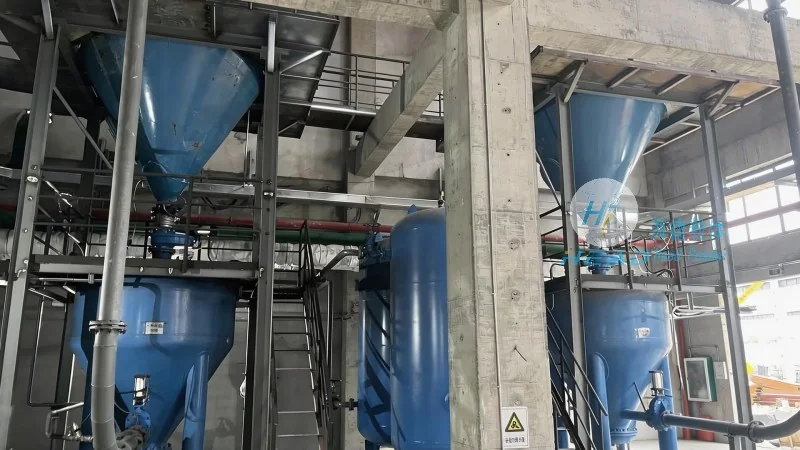
Key Principles of Automatic Material Handling Equipment
The fundamental principles of automatic material handling equipment are centered on streamlining the movement of goods from one location to another without human intervention. These systems utilize a combination of mechanical, electrical, and control technologies to achieve seamless material transfer. Key principles include:
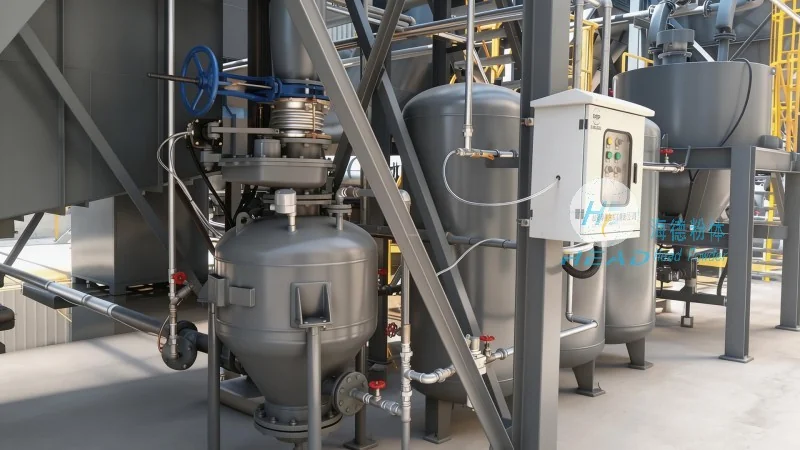
- Automation and Control: Advanced control systems, often integrated with sensors and programmable logic controllers (PLCs), enable precise and repeatable material handling operations. This ensures consistent performance and minimizes errors. For instance, in a manufacturing line, PLCs can coordinate the movement of conveyor belts, robotic arms, and storage systems to maintain a continuous workflow.
- Precision and Accuracy: Modern equipment is designed to handle materials with high precision, ensuring that items are moved to exact positions as required by production or storage processes. This reduces the risk of damage and improves overall product quality. In pharmaceutical manufacturing, for example, automated systems can precisely place small vials into containers, minimizing the chance of contamination or misplacement.
- Flexibility and Adaptability: Many systems are modular and can be configured to handle a wide range of materials, sizes, and shapes. This flexibility allows businesses to adapt to changing production needs or product variations without significant reconfiguration. A modular conveyor system can be easily reconfigured to accommodate different product sizes by adjusting the spacing and orientation of the rollers or belts.
- Efficiency and Cost Reduction: By automating material handling tasks, companies can reduce labor costs, minimize downtime, and increase overall productivity. The consistent operation of these systems also leads to lower maintenance and operational costs over time. A well-designed automated system can operate 24/7 with minimal supervision, significantly boosting production output compared to manual labor.
Common Working Scene Characteristics of Automatic Material Handling Equipment
Automatic material handling equipment is widely used across diverse industrial sectors, each with unique characteristics that define the operational environment and requirements. Understanding these working scenes is crucial for selecting the right equipment for specific applications. Here are some common scenarios:
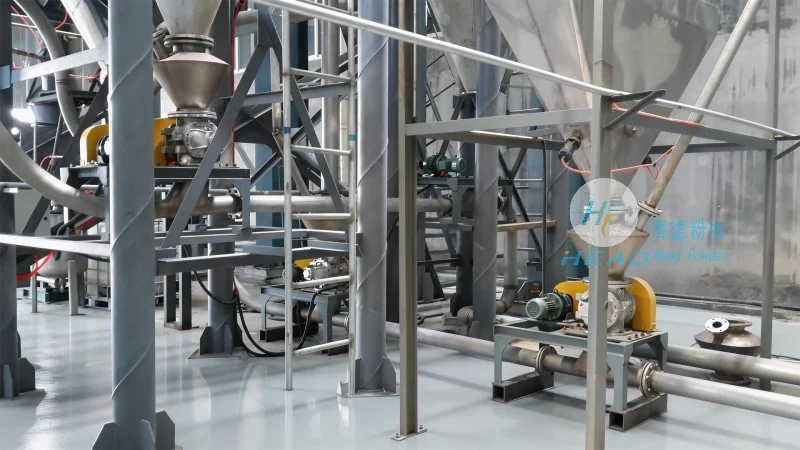
- Manufacturing Production Lines: In manufacturing facilities, these systems are integral to assembly lines, where parts are transported between workstations, machines, and storage areas. The equipment ensures a continuous flow of materials, reducing bottlenecks and improving production throughput. For example, in automotive manufacturing, AGVs (Automated Guided Vehicles) transport car bodies and components to assembly stations, while conveyor systems move smaller parts like screws and bolts to each workstation.
- Warehouse and Inventory Management: Warehouses and distribution centers rely on automatic material handling to manage inventory efficiently. Systems such as conveyor belts, automated storage and retrieval systems (AS/RS), and sortation machines help in storing, retrieving, and dispatching goods. This enhances order fulfillment speed and accuracy. In a large e-commerce warehouse, AS/RS systems use vertical lifts and robotic arms to store and retrieve inventory from high racks, while sortation machines use optical character recognition (OCR) to sort packages by destination, ensuring timely delivery.
- Logistics and Distribution Centers: In logistics operations, equipment like automated guided vehicles (AGVs), conveyor networks, and sortation systems are used to move packages and goods between sorting stations, loading docks, and transportation vehicles. This streamlines the entire logistics process, reducing handling time and improving delivery reliability. In a cross-dock facility, conveyor systems quickly transfer incoming goods to outbound trucks, minimizing storage time and reducing labor costs associated with manual sorting.
- Automotive and Electronics Manufacturing: High-tech industries, such as automotive and electronics, demand strict quality control and precision in material handling. Automated systems are used to transport small components, circuit boards, and finished products with minimal human intervention, ensuring compliance with quality standards and reducing contamination risks. In electronics manufacturing, robotic pick-and-place systems can place microchips onto circuit boards with sub-millimeter accuracy, a task that would be impossible for manual labor due to the small size and precision required.
- Food and Beverage Processing: The food industry requires equipment that adheres to sanitary standards and can handle perishable goods. Automatic material handling systems, including conveyor belts, robotic pick-and-place systems, and automated packaging lines, are designed to maintain hygiene while efficiently moving products through processing and packaging stages. For instance, in a dairy processing plant, conveyor belts transport milk cartons from filling machines to packaging stations, while robotic arms apply labels and seal the containers, ensuring food safety and compliance with regulatory standards.
How HeadPowder Enhances Material Handling Solutions
As a reputable company based in Shandong, China, HeadPowder Engineering Co., Ltd. leverages its expertise to deliver tailored automatic material handling solutions that meet the specific needs of its clients. The company focuses on understanding the operational challenges of each industry and designing systems that optimize material flow while ensuring reliability and durability. By integrating cutting-edge technologies and adhering to international standards, HeadPowder provides solutions that enhance productivity and reduce operational costs for businesses across various sectors.




