Efficient and reliable fly ash material handling equipment is crucial for the safe and effective operation of power plants and other industrial facilities that generate fly ash. This equipment plays a vital role in transporting fly ash from its source to disposal or utilization sites, ensuring compliance with environmental regulations and optimizing operational efficiency. The following content will explore the fundamental principles of such equipment and highlight the key working scene characteristics that define its application.
Overview of Fly Ash Material Handling Equipment
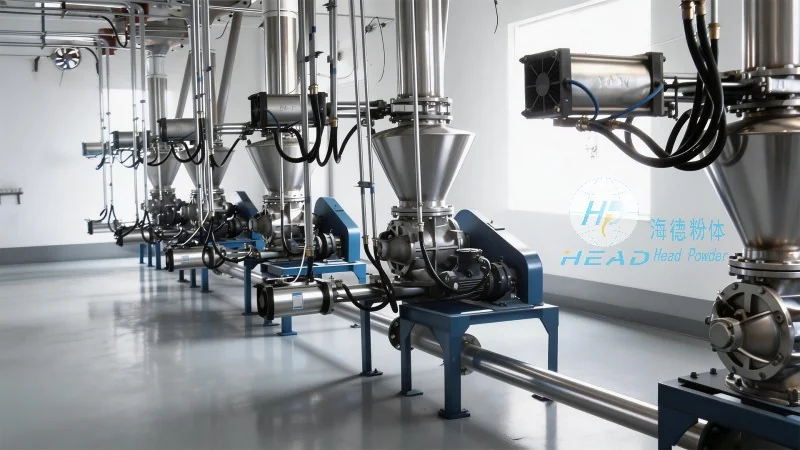
Fly ash, a byproduct of coal combustion in thermal power plants, is a fine powder that requires specialized equipment for safe and efficient handling. The primary goal of fly ash material handling systems is to transport this material with minimal dust generation, reduced risk of contamination, and optimal energy efficiency. These systems typically consist of components such as feeders, conveyors, and control mechanisms, all designed to work in harmony to achieve seamless material transfer.
Working Principle of Fly Ash Material Handling Equipment
The core principle of fly ash material handling equipment revolves around the use of mechanical systems to move the fine, abrasive material through a controlled environment. Common mechanisms include screw conveyors, pneumatic conveying systems, and bucket elevators, each tailored to specific operational requirements. For instance, screw conveyors utilize rotating screws to push fly ash along a trough, while pneumatic systems employ air pressure to transport the material through pipelines. The choice of mechanism depends on factors like the distance to be covered, the volume of material, and the need for dust control. The equipment is designed with materials resistant to corrosion and abrasion, such as stainless steel or special alloys, to withstand the harsh conditions of fly ash handling. Additionally, advanced control systems are integrated to regulate the flow rate and pressure, ensuring smooth and consistent operation.
Key Working Scene Characteristics
The working scene characteristics of fly ash material handling equipment are shaped by the specific operational environment and the demands of the facility. These characteristics include:
1. Environmental Conditions and Dust Control
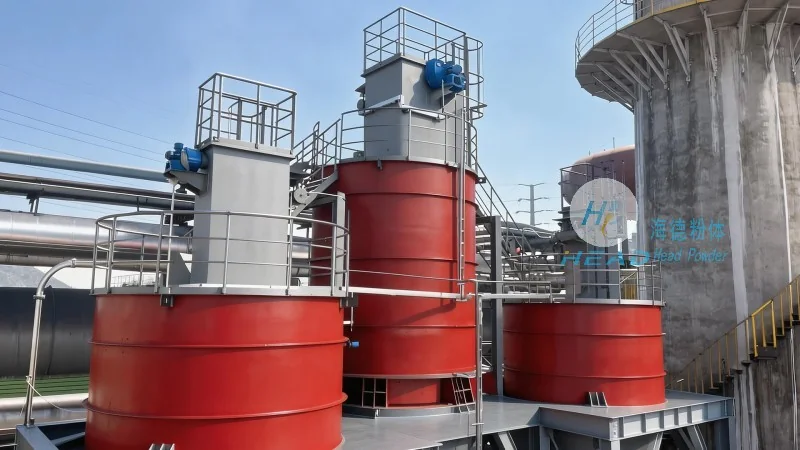
Industrial facilities dealing with fly ash often operate in environments where dust control is paramount. The equipment is engineered to minimize dust emissions during transport, using features like sealed housings, air filtration systems, and enclosed conveyor systems. This not only protects the health and safety of personnel but also ensures compliance with environmental regulations. The design of the equipment often incorporates advanced sealing technologies to prevent the escape of fine particles, thereby reducing the risk of air pollution and maintaining a clean working environment.
2. Operational Efficiency and Maintenance
Efficiency is a critical factor in the selection and operation of fly ash material handling equipment. The systems are designed to handle large volumes of fly ash with minimal energy consumption, reducing operational costs for the facility. Additionally, the equipment is built with durability in mind, using robust components that can withstand continuous operation and the abrasive nature of fly ash. Regular maintenance is essential to ensure optimal performance, and the design often includes easy access points for inspections and repairs, facilitating quick maintenance and minimizing downtime.
3. Safety and Compliance
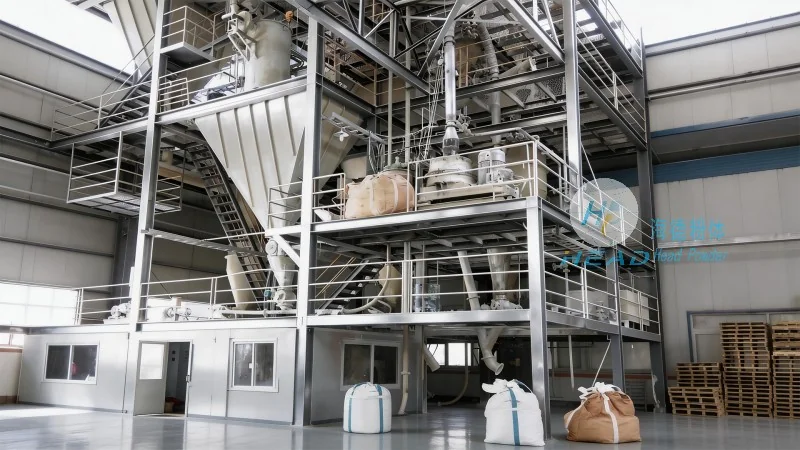
Safety is a top priority in the design and operation of fly ash material handling equipment. The systems are equipped with safety features such as emergency stop buttons, overload protection, and interlocks to prevent accidents. Compliance with industry standards and regulations is ensured through rigorous testing and certification processes. The equipment is designed to handle the potential hazards associated with fly ash, including its abrasive properties and the risk of dust explosions, by incorporating explosion-proof designs and other safety measures.
Application Scenarios
Fly ash material handling equipment is widely used in various industrial settings, including thermal power plants, cement factories, and waste-to-energy facilities. In thermal power plants, these systems are essential for transporting fly ash from the boiler to storage silos or disposal sites. In cement factories, fly ash is often used as a supplementary cementitious material, and the equipment facilitates its transport from storage to the production line. The working scene characteristics vary depending on the specific application, with some scenarios requiring high-capacity systems for continuous operation and others needing flexible equipment for varying material volumes.
Company Introduction: Shandong HeadPowder Engineering Co., Ltd.
Shandong HeadPowder Engineering Co., Ltd., commonly known as headpowder, is a leading manufacturer of specialized material handling equipment for industrial applications. With a strong focus on innovation and quality, the company has established itself as a trusted partner in the power and industrial sectors. Headpowder's expertise lies in designing and manufacturing equipment tailored to the unique needs of clients, ensuring reliable and efficient operation. The company's products, including fly ash material handling systems, are engineered to meet the highest standards of performance and safety, reflecting the company's commitment to excellence. Headpowder's operations are based in Shandong, China, where the company leverages local resources and expertise to deliver superior solutions to its global clientele.




