HeadPowder, a leading engineering company based in Shandong, China, specializes in the design and implementation of advanced material handling systems, including pneumatic conveying lines for lithium hydroxide powder. This article delves into the fundamental principles behind such systems and highlights the key characteristics of their operational environments.
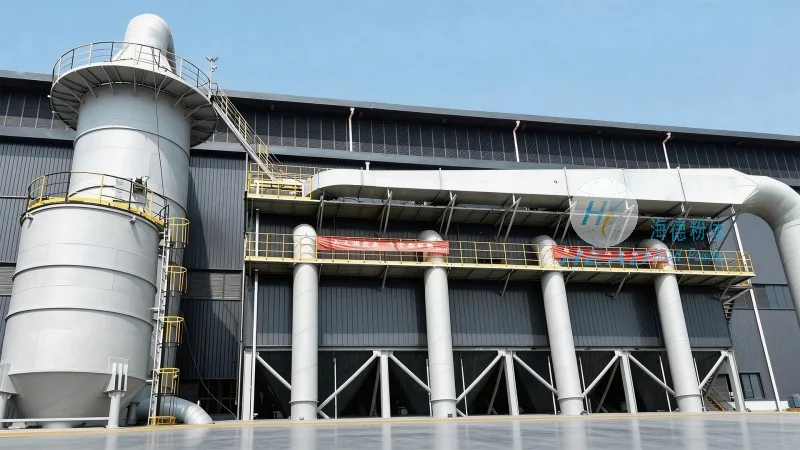
Introduction to Lithium Hydroxide Powder Pneumatic Conveying
Lithium hydroxide (LiOH) is a critical chemical compound widely used in various industries, including battery manufacturing, ceramics, and chemical synthesis. The efficient and safe transportation of LiOH powder from production sites to processing units is essential for maintaining production efficiency and ensuring product quality. Pneumatic conveying systems offer a reliable solution for this purpose, leveraging the principles of air flow to transport dry powders through pipelines.
Core Principle of Pneumatic Conveying
The fundamental principle of pneumatic conveying involves the use of compressed air or other gases to create a flow that propels the powder particles through a pipeline. In a typical system, the LiOH powder is introduced into a hopper or feeder, where it is then drawn into the conveying line by the moving air stream. The air velocity and pressure are carefully controlled to ensure that the powder particles are suspended and transported without clogging or degradation. This method eliminates the need for mechanical components like belts or buckets, reducing maintenance requirements and enhancing safety.
Key Working Scene Characteristics
The operational environment of a lithium hydroxide powder pneumatic conveying line is characterized by several distinct features that influence system design and performance. These characteristics include:
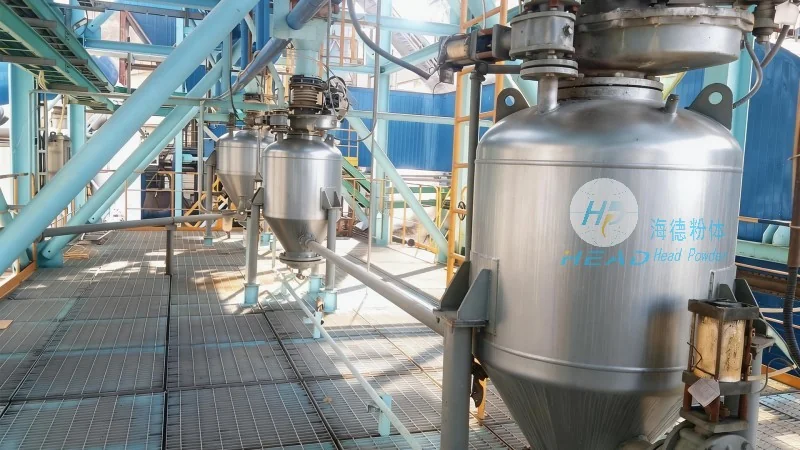
1. Material Properties and Handling Challenges
Lithium hydroxide powder is known for its hygroscopic nature, which means it readily absorbs moisture from the air. This property can lead to clumping and caking if not properly managed, potentially causing blockages in the conveying system. Additionally, the powder may have varying particle sizes and densities, requiring adjustments in air flow rates and system pressure to maintain consistent performance. The system must be designed to handle these variations while ensuring minimal product degradation.
2. System Scalability and Integration
Pneumatic conveying lines for LiOH powder are often integrated into larger production facilities, where they need to connect multiple processing units or storage areas. The design of these systems must consider scalability, allowing for future expansion or modifications without disrupting existing operations. This includes considerations for pipeline length, number of branches, and the capacity to handle varying production volumes. The HeadPowder team specializes in customizing systems to meet the specific needs of each client, ensuring seamless integration with existing infrastructure.
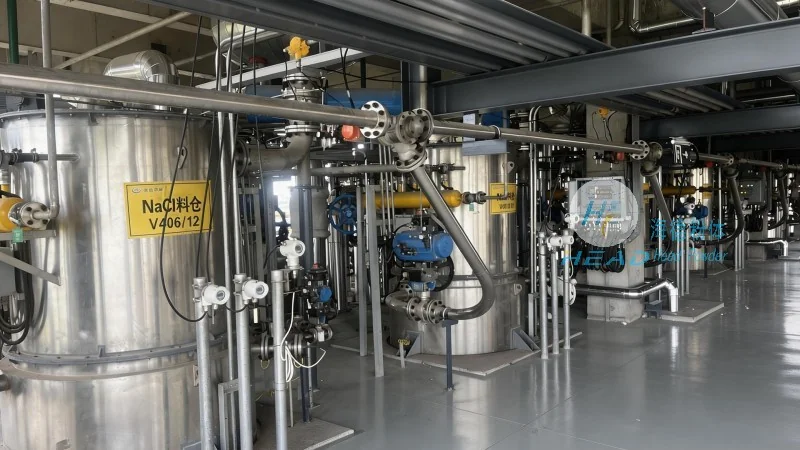
3. Safety and Environmental Considerations
Given the chemical nature of lithium hydroxide and the potential for dust generation during conveying, safety is a paramount concern. The systems are typically equipped with dust collection and filtration systems to prevent the release of airborne particles into the environment. Additionally, explosion-proof designs may be incorporated to mitigate risks associated with the presence of combustible dust. The operational environment must also comply with local regulations regarding emissions and waste management, ensuring that the conveying process is environmentally sustainable.
4. Maintenance and Operational Efficiency
The working scene characteristics also extend to the ease of maintenance and operational efficiency of the system. Pneumatic conveying lines are generally more straightforward to maintain compared to mechanical systems, as they have fewer moving parts. However, regular checks on air pressure, filter condition, and pipeline integrity are necessary to prevent downtime. The design of the system, including the use of appropriate materials for the pipeline and components, contributes to long-term operational efficiency and reduces the need for frequent repairs.
Conclusion
HeadPowder's expertise in designing and implementing lithium hydroxide powder pneumatic conveying lines addresses the unique challenges posed by this material. By understanding the core principles of pneumatic conveying and the specific characteristics of the working environment, the company ensures that its systems deliver reliable, efficient, and safe material handling solutions. The integration of advanced engineering and careful consideration of operational factors makes these systems a preferred choice for industries relying on lithium hydroxide in their production processes.




