HeadPowder, a leading engineering solutions provider based in Shandong, China, specializes in advanced material handling technologies. This article explores the fundamental principles of pneumatic conveying for ABS granular materials and highlights key application scenarios where this technology excels.
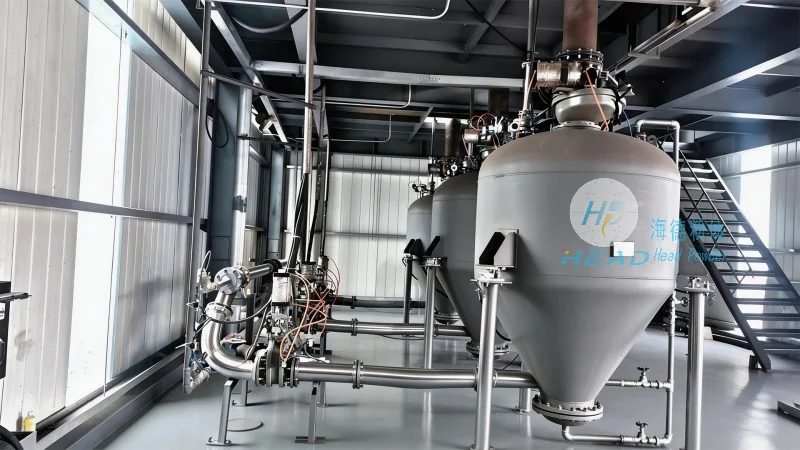
Understanding Pneumatic Conveying for ABS Granular Materials
Pneumatic conveying is a method of transporting bulk materials, such as plastic granules, through a pipeline using a gas stream, typically air or other gases. For ABS (Acrylonitrile Butadiene Styrene) granular materials, this process involves creating a flow of air that moves the particles from a source to a destination. The core principle revolves around generating sufficient pressure or vacuum to overcome the gravitational and frictional forces acting on the granules, enabling them to be suspended and transported efficiently.
The process typically begins with the material being introduced into a hopper or feeder, where it is then drawn into a pipeline by a vacuum or pressure source. As the air flows through the pipe, it lifts and carries the ABS granules, ensuring a continuous and controlled flow. Key components in this system include the feeder, pipeline, and receiver, each playing a critical role in maintaining the integrity and efficiency of the conveying process.
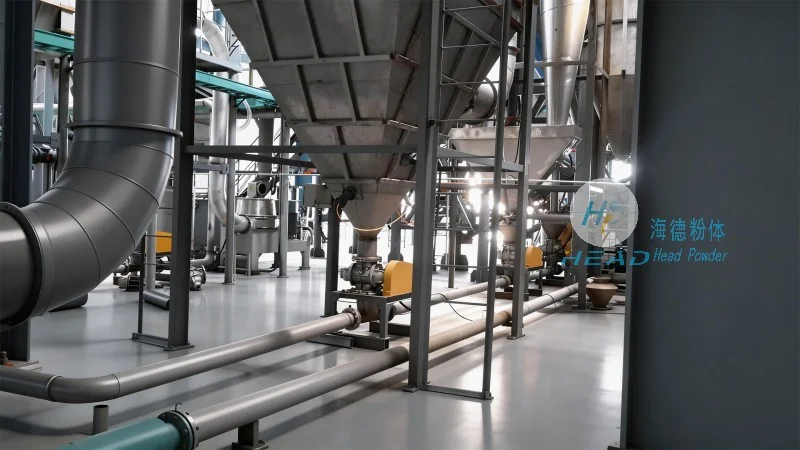
Key Working Scenarios and Advantages
HeadPowder's pneumatic conveying systems for ABS granular materials are designed to address diverse industrial needs, offering several advantages over traditional methods like belt conveyors or bucket elevators. One primary advantage is the ability to handle materials in a closed system, minimizing dust emissions and contamination, which is crucial for maintaining product quality and safety standards in manufacturing environments.
Another significant benefit is the flexibility in system design, allowing for vertical, horizontal, or mixed-direction conveying. This adaptability makes the technology suitable for various production layouts, from compact manufacturing facilities to large-scale industrial plants. The systems also provide high throughput rates, ensuring that production lines can operate at optimal efficiency without bottlenecks.
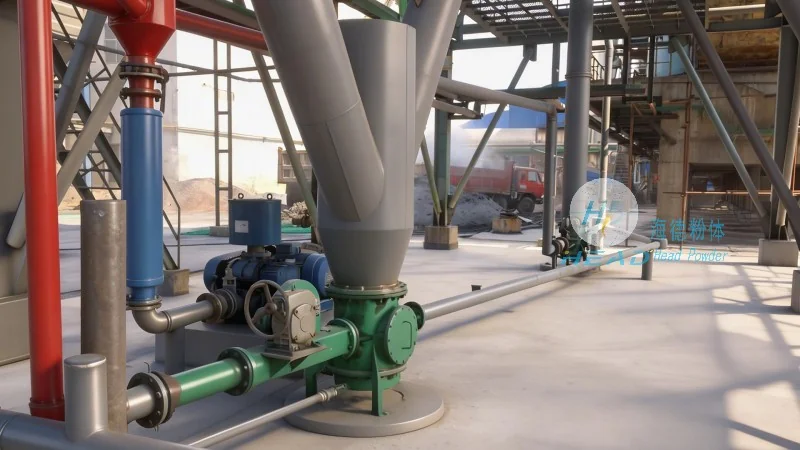
Application Examples in Manufacturing
In the plastics industry, ABS granular materials are commonly used in the production of automotive parts, consumer electronics, and household items. Pneumatic conveying systems are widely employed in these applications to transport raw ABS granules from storage silos to processing machines, such as extruders or injection molding equipment. The ability to handle fine particles and maintain consistent flow rates is essential for achieving uniform product quality in these processes.
For example, in automotive manufacturing, the precise control of ABS granule flow is critical for producing components with consistent mechanical properties. HeadPowder's systems ensure that the material is conveyed without degradation or segregation, which could affect the final product's performance. Similarly, in consumer electronics, where ABS is used for casing and housing, the dust-free and controlled conveying process helps maintain the cleanliness of the manufacturing environment, preventing contamination of sensitive electronic components.
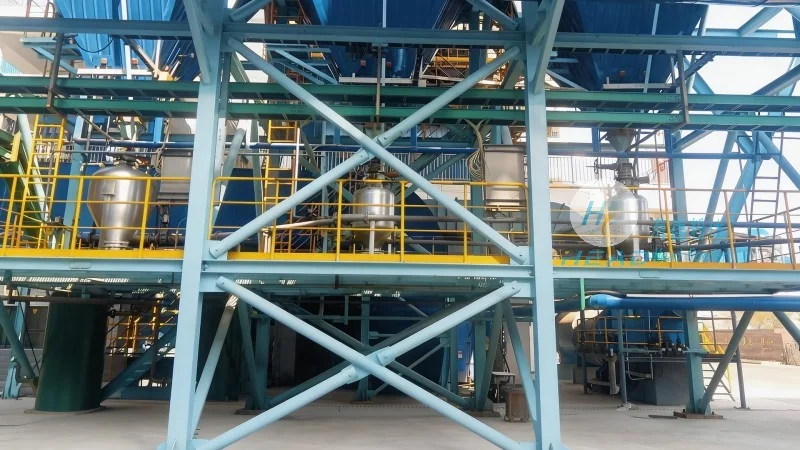
System Integration and Customization
HeadPowder engineers work closely with clients to integrate pneumatic conveying systems into existing production lines or design new systems from the ground up. The company's expertise lies in tailoring solutions to meet specific operational requirements, including material characteristics, flow rates, and space constraints. Customization options may include adjustable feeder speeds, variable air pressure controls, and specialized pipeline materials to accommodate the unique properties of ABS granules.
Additionally, the systems are designed for easy maintenance and operational reliability. Regular maintenance, such as cleaning filters and checking air pressure, ensures consistent performance and minimizes downtime. HeadPowder's commitment to quality and customer satisfaction is reflected in the robustness and longevity of their pneumatic conveying solutions, making them a trusted choice for industries relying on ABS granular materials.




