HeadPowder, a leading provider in the field of material handling solutions, specializes in the design and implementation of pneumatic conveying systems for various industrial applications. This article delves into the fundamental principles behind the pneumatic conveying of alumina powder materials and highlights the key characteristics of working scenes where such systems are commonly employed. By understanding these aspects, industries involved in the processing and transportation of alumina can optimize their operations and enhance efficiency.
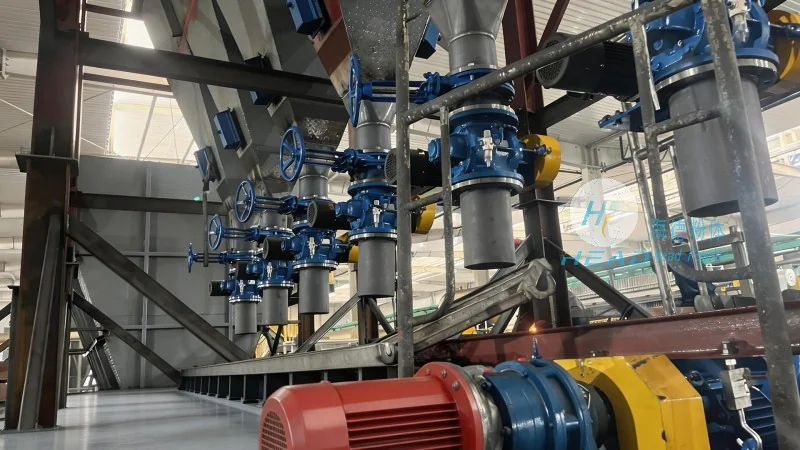
Introduction to Pneumatic Conveying Systems
Pneumatic conveying is a method of transporting bulk materials, such as powders and granules, using a stream of air or other gases. This technology offers a flexible and efficient means of moving materials over short to medium distances, often within industrial facilities. The core principle involves creating a pressure differential or using vacuum to move the material through a pipeline system. For alumina powder, which is commonly used in the production of ceramics, refractories, and other high-value products, pneumatic conveying provides a clean, dust-free, and energy-efficient solution compared to traditional methods like bucket elevators or belt conveyors.
Key Principles of Alumina Powder Pneumatic Conveying
The successful operation of a pneumatic conveying system for alumina powder relies on several critical principles. First, the material's physical properties, including particle size, density, and flowability, are crucial. Alumina powder typically has a fine particle size, which can affect the conveying velocity and pressure requirements. The system must be designed to handle these characteristics without causing blockages or excessive wear on components. Second, the air velocity within the pipeline is a key factor. It must be sufficient to keep the powder suspended and moving, but not so high as to cause excessive energy consumption or particle degradation. The balance between air velocity and material flow rate is essential for maintaining a stable conveying process. Third, the system's pressure or vacuum level determines the distance and height the material can be conveyed. Higher pressure systems are suitable for longer distances or vertical lifts, while vacuum systems are often used for shorter horizontal or slight vertical movements. Additionally, the choice of conveying mode—such as dilute phase or dense phase—depends on the application. Dilute phase systems use higher air velocities to transport material in a dispersed state, while dense phase systems use lower velocities to move material in a more compacted form, reducing the risk of clogging and improving material integrity.
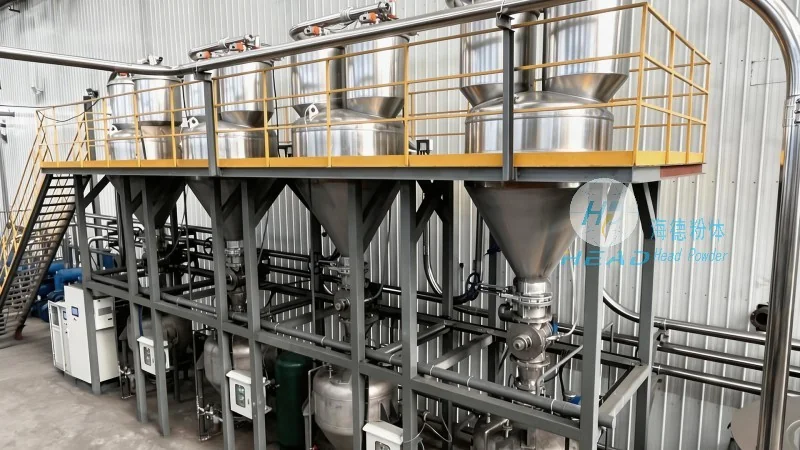
Working Scene Characteristics of Pneumatic Conveying for Alumina Powder
The working scenes where pneumatic conveying systems for alumina powder are applied exhibit distinct characteristics that influence system design and performance. These scenes are typically found in industrial plants involved in the production of alumina-based products, such as aluminum smelting facilities, ceramic manufacturing plants, and refractory production sites. In these environments, the primary goal is to transport alumina powder from storage silos or processing units to the next stage of production, such as mixing, molding, or sintering. The working scenes often involve multiple points of material entry and exit, requiring a network of pipelines to connect various process units. For example, in a ceramic production plant, alumina powder may be conveyed from a raw material storage silo to a mixer, then to a kiln for firing. The system must be capable of handling varying material flow rates, which can fluctuate based on production schedules and batch sizes. Another characteristic is the need for dust control and environmental compliance. Pneumatic conveying systems are designed to minimize dust emissions, often incorporating filtration and collection systems to ensure safe and clean operation. This is particularly important in industrial settings where air quality regulations are stringent. Furthermore, the working scenes may involve integration with other process equipment, such as hoppers, feeders, and control systems. The system must be compatible with these components to ensure seamless operation and data exchange. For instance, the conveying system may be connected to a weighing scale to monitor material flow rates or to a control panel to adjust air pressure and flow based on real-time production needs. The characteristics of the working scene also include the need for reliability and minimal downtime. Industrial operations rely on continuous production, and any interruption in material supply can lead to significant losses. Therefore, pneumatic conveying systems are designed with redundancy and maintenance-friendly features to ensure high availability. Regular maintenance, such as cleaning of filters and checking for wear on components, is essential to maintain system performance and prevent failures.
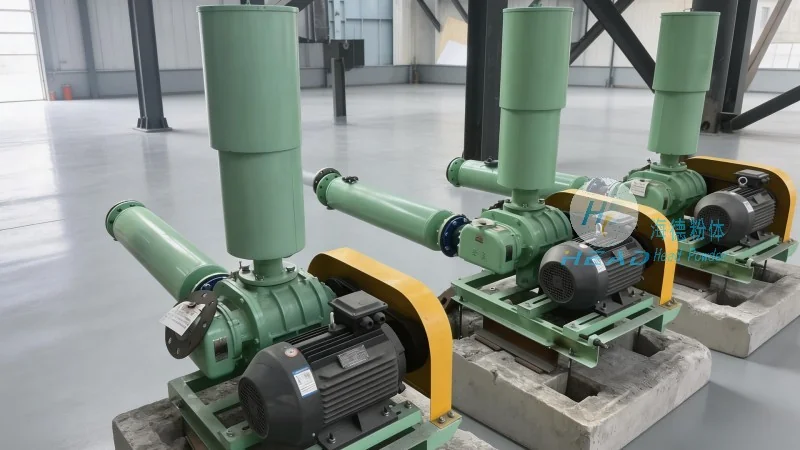
Advantages and Considerations in Alumina Powder Pneumatic Conveying
Implementing pneumatic conveying systems for alumina powder offers several advantages that make it a preferred choice in many industrial applications. One of the main benefits is the ability to handle fine powders without causing segregation or degradation. Unlike mechanical conveyors, which can cause particle size separation or attrition, pneumatic systems maintain the material's integrity. This is critical for alumina powder, as particle size and distribution directly impact the quality of the final product. Another advantage is the cleanliness and dust-free operation. Pneumatic conveying systems are enclosed, preventing dust from entering the environment and reducing the risk of contamination in subsequent processing steps. This is particularly important in food and pharmaceutical industries, but also beneficial in general industrial settings where dust control is a priority. Energy efficiency is another key advantage. While pneumatic systems require air compression or vacuum generation, they can be more energy-efficient than mechanical systems, especially for short to medium distances. The system design, including the choice of conveying mode and air velocity, can be optimized to minimize energy consumption. However, there are also considerations to keep in mind when implementing pneumatic conveying for alumina powder. One of the main challenges is the potential for system blockages, especially with fine powders that have poor flowability. Proper material conditioning, such as adding lubricants or using vibrators, may be necessary to prevent clogging. Additionally, the system's initial cost and complexity can be higher than traditional mechanical conveyors. The design and installation require expertise to ensure optimal performance and longevity. Maintenance costs are also a factor, as filters and components need regular replacement or cleaning. Despite these considerations, the benefits of pneumatic conveying often outweigh the drawbacks, especially in applications where cleanliness, material integrity, and flexibility are critical.
Conclusion
In conclusion, the pneumatic conveying of alumina powder materials is a sophisticated and effective method for industrial material handling. The principles behind this technology, combined with the characteristics of the working scenes where it is applied, provide a robust solution for transporting fine powders efficiently and safely. Companies like Shandong HeadPowder Engineering Co., Ltd., based in China, specialize in designing and manufacturing such systems tailored to the specific needs of alumina processing industries. By understanding the fundamental principles and working scene characteristics, industries can optimize their material handling processes, enhance productivity, and ensure compliance with environmental and operational standards. The continued development and refinement of pneumatic conveying systems will likely further improve their performance and expand their applications in the future.




