Dolomite, a widely used industrial material, often requires efficient and reliable transport solutions for various processing stages. Pneumatic conveying systems have emerged as a preferred method for handling dolomite due to their ability to transport materials in a dust-free environment, reducing operational hazards and improving overall process efficiency. This article delves into the fundamental principles of dolomite material pneumatic conveying equipment, alongside an analysis of its typical working scene characteristics, providing insights into how such systems are applied in industrial settings.
Core Principles of Pneumatic Conveying for Dolomite
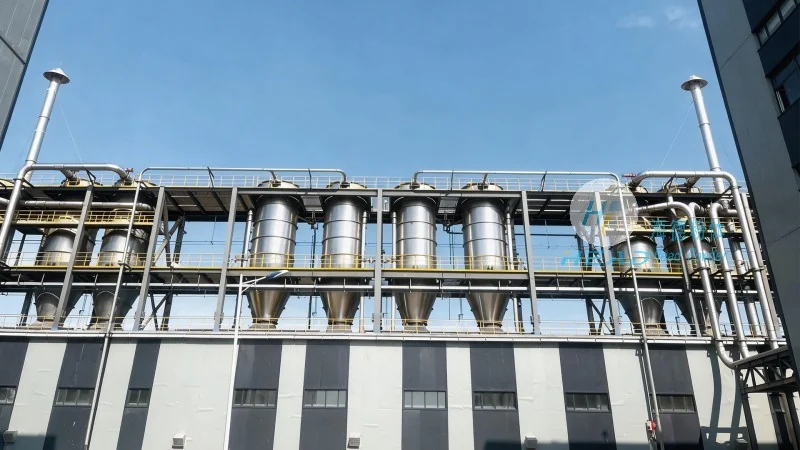
The operation of dolomite material pneumatic conveying equipment is based on the fundamental principle of using air as a medium to transport bulk materials. The system typically consists of a series of components, including a material hopper, a rotary valve, a conveying pipeline, a pressure vessel (if applicable), and a dust collector. The process begins when dolomite is fed into the hopper, where it is then discharged into the conveying pipeline through the rotary valve. Compressed air is introduced into the pipeline, creating a flow that propels the dolomite particles forward. The air velocity within the pipeline is critical; it must be sufficient to overcome the gravitational forces acting on the particles while maintaining a stable flow to prevent particle separation or blockages. The design of the conveying system, including pipe diameter, length, and the number of bends, directly impacts the air velocity and overall conveying efficiency. For dolomite, which is often a fine or moderately sized powder, the system may incorporate features such as pulse jet or positive pressure conveying to ensure consistent material movement and prevent clogging.
Working Scene Characteristics of Dolomite Pneumatic Conveying
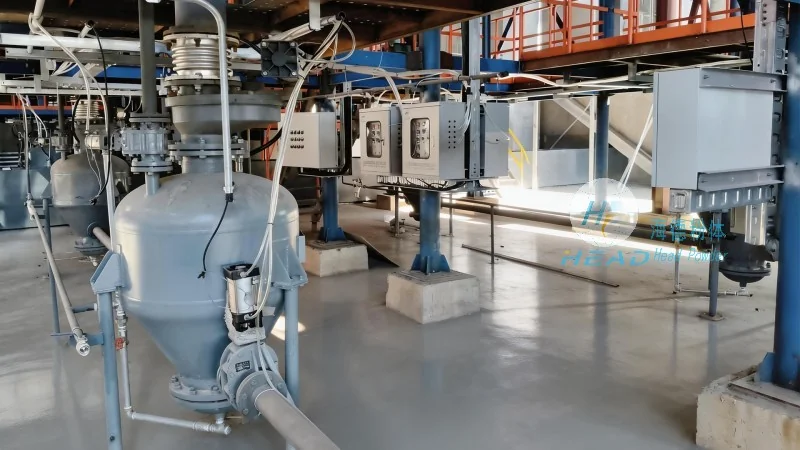
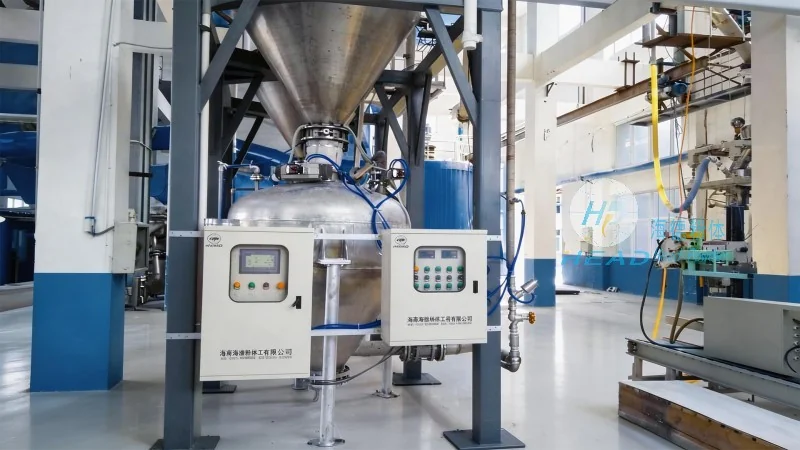
Dolomite material pneumatic conveying equipment is commonly employed in industrial environments where dust control and material cleanliness are paramount. Typical working scenes include mining and quarrying operations, where dolomite is extracted from raw ore and transported to processing facilities. In these settings, the equipment is integrated into a larger material handling system, often working in conjunction with crushers, grinders, and storage silos. The conveying system ensures that dolomite is moved from the extraction site to the processing plant without the need for manual handling, reducing labor costs and minimizing the risk of material contamination. Another common application is in chemical and pharmaceutical industries, where dolomite is used as a filler or raw material in the production of various products. Here, the pneumatic conveying system plays a crucial role in maintaining a sterile and dust-free environment, as any contamination could compromise the quality of the final product. Additionally, in cement and construction industries, dolomite is used as an additive in concrete production. The equipment is designed to handle the bulk quantities required for these applications, with features such as high-capacity hoppers and robust pipelines to ensure continuous operation. The working scene characteristics also include the need for flexibility in conveying distances and material flow rates, as different production stages may require varying amounts of dolomite. The system is often equipped with control panels that allow operators to adjust air pressure, flow rate, and material feed rate, enabling real-time optimization of the conveying process.
Advantages and Considerations in Dolomite Pneumatic Conveying
Implementing dolomite material pneumatic conveying equipment offers several advantages over traditional mechanical conveying methods. One of the primary benefits is the elimination of dust and the creation of a clean working environment, which enhances worker safety and reduces the risk of respiratory issues associated with fine powders. The system also minimizes material degradation, as the enclosed pipeline prevents exposure to moisture and air, preserving the quality of the dolomite. Furthermore, pneumatic conveying systems are more flexible in terms of layout and can be easily integrated into existing industrial setups, allowing for modifications or expansions as production needs change. However, there are also considerations to keep in mind when using such equipment. The initial investment cost for a pneumatic conveying system can be higher compared to mechanical systems, and the energy consumption is typically higher due to the use of compressed air. Additionally, the system requires regular maintenance to ensure optimal performance, as components such as rotary valves and pipelines can be prone to wear and tear. For dolomite, which may have varying particle sizes and moisture content, the system may need to be adjusted to prevent clogging or uneven flow. The choice of conveying method (positive or negative pressure) also depends on the specific application, with positive pressure systems being more suitable for long-distance or high-capacity conveying, while negative pressure systems are better for short distances or where dust control is a top priority.
Conclusion and Application Outlook
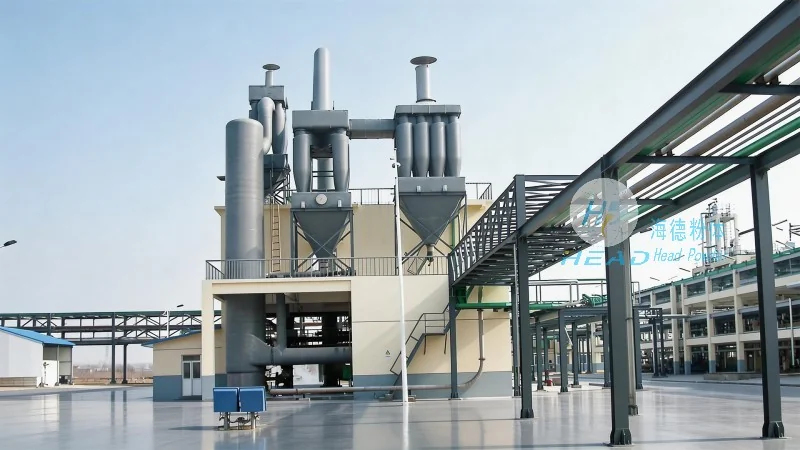
In conclusion, dolomite material pneumatic conveying equipment is a highly effective solution for transporting dolomite in industrial settings. By leveraging the principles of air-based material transport, these systems provide efficient, dust-free, and flexible handling of dolomite, which is essential for maintaining product quality and ensuring worker safety. The working scene characteristics of such equipment vary depending on the industry and application, but they consistently highlight the importance of a well-designed and maintained system. As industrial processes continue to evolve, the demand for efficient material handling solutions will likely drive further advancements in pneumatic conveying technology. Companies like Shandong HeadPowder Engineering Co., Ltd., with their expertise in designing and manufacturing specialized pneumatic conveying equipment, play a crucial role in meeting these evolving needs, ensuring that dolomite and other bulk materials are handled safely and efficiently in modern industrial operations.




