HeadPowder, a leading manufacturer based in Shandong, China, specializes in the design and production of pneumatic conveying equipment tailored for handling lightweight cement materials. This article delves into the fundamental principles of such equipment and highlights the key characteristics of its operational scenarios.
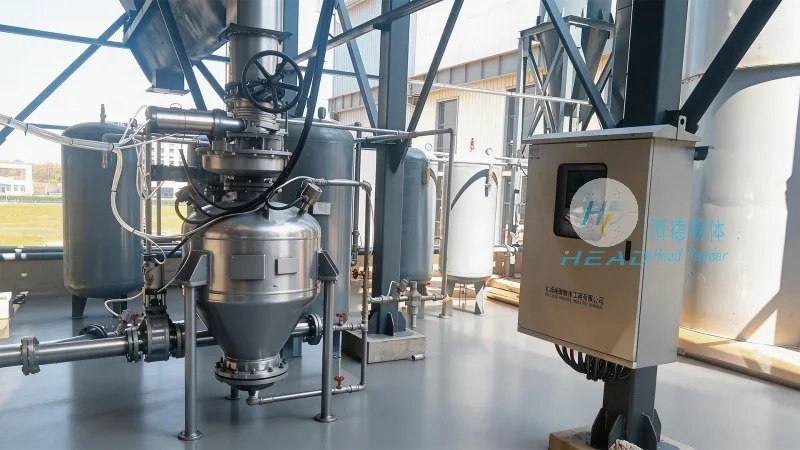
Principle of Pneumatic Conveying for Lightweight Cement Materials
Pneumatic conveying systems operate by utilizing air flow to transport bulk materials like lightweight cement through a network of pipes. The core principle involves creating a pressure differential or using vacuum to move the material from the source to the destination. For lightweight cement, which typically has lower bulk density compared to traditional cement, specialized equipment is required to ensure efficient and reliable transport. The system generally consists of a feeding device, a conveying pipeline, a separation and cleaning system, and a discharge outlet. The feeding device, often a rotary valve or a hopper with an air lock, controls the material flow into the pipeline. The conveying pipeline is designed with appropriate diameter and length to maintain the air velocity necessary to keep the material suspended and transported. The separation and cleaning system, including cyclones and filters, removes dust and separates the conveyed material from the air stream. This ensures the material reaches the discharge point in a clean and controlled manner.
Key Working Scene Characteristics
The operational scenarios for pneumatic conveying equipment used in lightweight cement applications exhibit several distinct characteristics that influence system design and performance. Firstly, the material's low bulk density requires higher air velocities to achieve effective suspension and transport. This means the system must be engineered to handle lower material-to-air ratios compared to denser materials. Secondly, the lightweight nature of the cement can lead to issues like material segregation and blockages if the system is not properly designed. Therefore, the equipment often incorporates features such as variable speed drives, adjustable air flow controls, and anti-clogging mechanisms to maintain consistent performance. Thirdly, the working environment in cement production facilities, including dust generation and temperature variations, necessitates robust construction materials and effective dust control measures. The equipment is typically constructed from corrosion-resistant materials like stainless steel or coated steel to withstand the chemical and physical stresses of the cement environment. Additionally, the system's flexibility in handling different material types and processing requirements is a critical characteristic, allowing it to adapt to various production scales and operational needs.
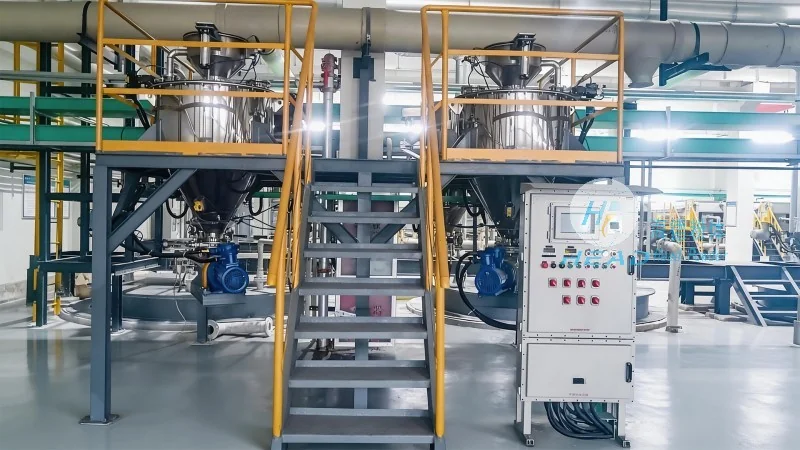
Application Scenarios and Operational Benefits
The pneumatic conveying equipment for lightweight cement materials is widely applied in various industrial settings, including cement production plants, construction material processing facilities, and material handling systems in manufacturing industries. In cement production, the equipment is used to transport raw materials, such as lightweight aggregates or additives, from storage silos to processing units. This ensures a continuous and dust-free material flow, enhancing production efficiency and product quality. In construction material processing, the system facilitates the transfer of lightweight cement from production lines to packaging or storage areas, reducing manual handling and associated risks. The operational benefits of such equipment include improved safety by eliminating manual material handling, enhanced process control through precise material flow regulation, and reduced maintenance costs due to the use of durable components and efficient design. Furthermore, the system's ability to handle large volumes of material with minimal space requirements makes it an ideal solution for modern industrial applications where space and operational efficiency are paramount.
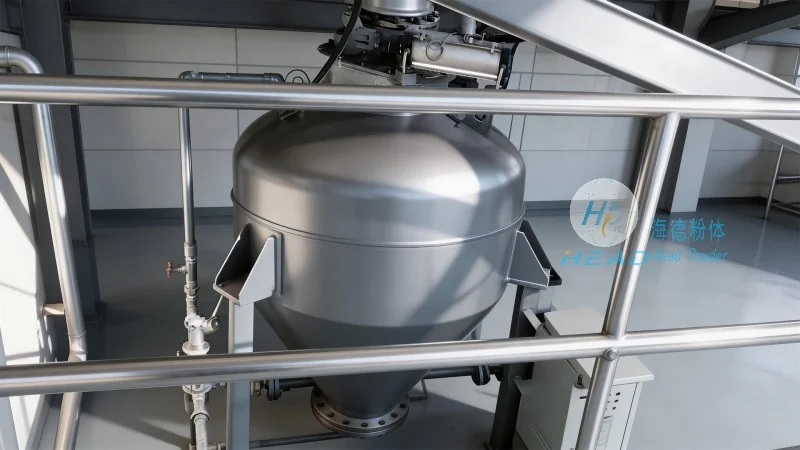
Technical Considerations and System Optimization
When designing and implementing pneumatic conveying systems for lightweight cement, several technical considerations are crucial to ensure optimal performance and longevity. One key factor is the selection of the appropriate air velocity, which must be sufficient to keep the material suspended but not excessively high to avoid excessive energy consumption or equipment wear. The system's pressure drop across the pipeline is another critical parameter, as it directly impacts the required air power and overall energy efficiency. Proper sizing of the conveying pipeline, including diameter and length, is essential to maintain the desired air velocity and minimize pressure losses. Additionally, the integration of separation and cleaning components, such as cyclones and filters, is vital to prevent material buildup and maintain system efficiency. Regular maintenance, including cleaning of filters and inspection of pipeline components, is necessary to ensure the system operates at peak performance. Advanced control systems, including sensors and automation, can further optimize the operation by monitoring material flow rates, air pressure, and temperature, and adjusting the system parameters in real-time to adapt to changing conditions.
Conclusion
HeadPowder's pneumatic conveying equipment for lightweight cement materials exemplifies the integration of advanced engineering principles and practical application in material handling systems. By understanding the fundamental principles of pneumatic transport and the specific characteristics of lightweight cement, the equipment is designed to provide efficient, reliable, and safe material handling solutions. The operational scenarios and technical considerations discussed highlight the importance of tailored system design to meet the unique demands of each application. As a leading manufacturer based in Shandong, China, HeadPowder continues to innovate and improve its equipment to meet the evolving needs of the industrial sector, ensuring high-quality and efficient material transport solutions for its clients.




