Principle and Working Scene Characteristics of Air-Powered Stone Aggregate Conveyors
Release time:2026-09-20 02:01:37
name of the company:Shandong Headpowder Engineering Co., Ltd.
telephone:156-6277-7102
contacts:Zhang manager
At Shandong HeadPowder Engineering Co., Ltd., we specialize in providing advanced air-powered stone aggregate conveying systems designed to efficiently handle the transportation of stone aggregates, gravel, and similar bulk materials. These systems are engineered to meet the demands of various industrial applications, ensuring reliable and efficient material handling with minimal operational disruptions.
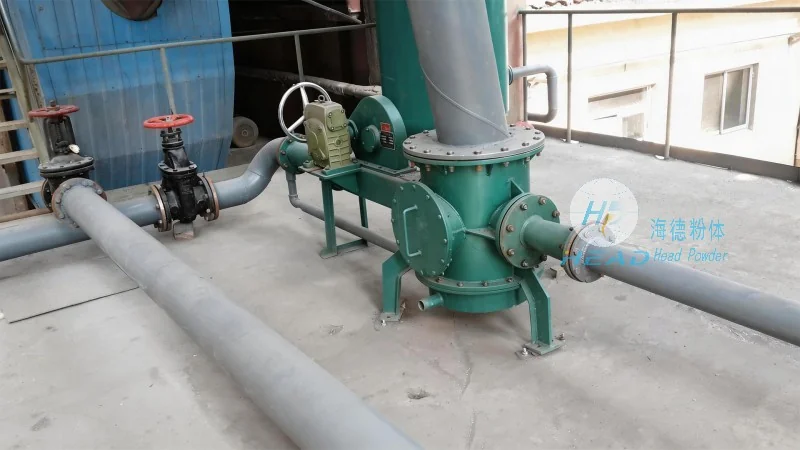
Principle of Air-Powered Conveying
The core principle of air-powered stone aggregate conveyors involves the use of a pneumatic system to transport bulk materials through a pipeline using air pressure. There are two primary types of air conveyance: positive pressure (or pressure) systems and negative pressure (or suction) systems. In a positive pressure system, a fan or blower generates high-pressure air that forces the material through the pipeline. The material is typically fed into the system via a hopper or feeder, and the air flow propels the particles forward. Conversely, negative pressure systems use a vacuum to draw material from a source into the pipeline, with the material being pulled by the air flow. For stone aggregates, which are typically dry and have a relatively high density, positive pressure systems are often preferred as they provide better control over the material flow and reduce the risk of blockages.
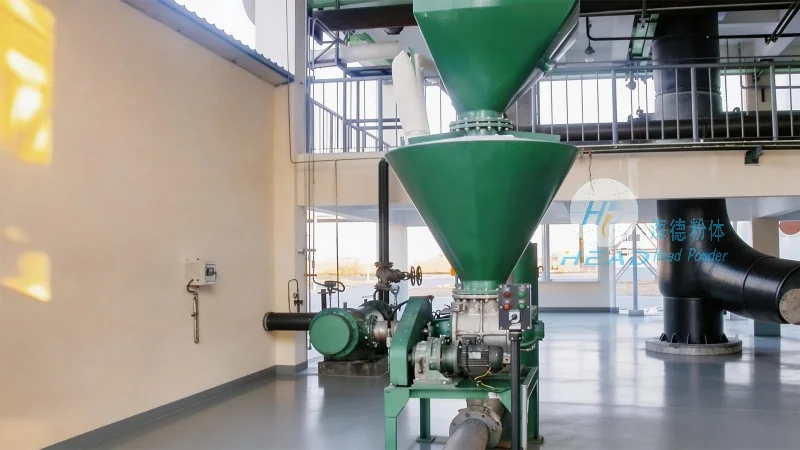
Key Components and Their Functions
Understanding the components of an air-powered stone aggregate conveyor is essential for grasping its operational efficiency. The main components include:
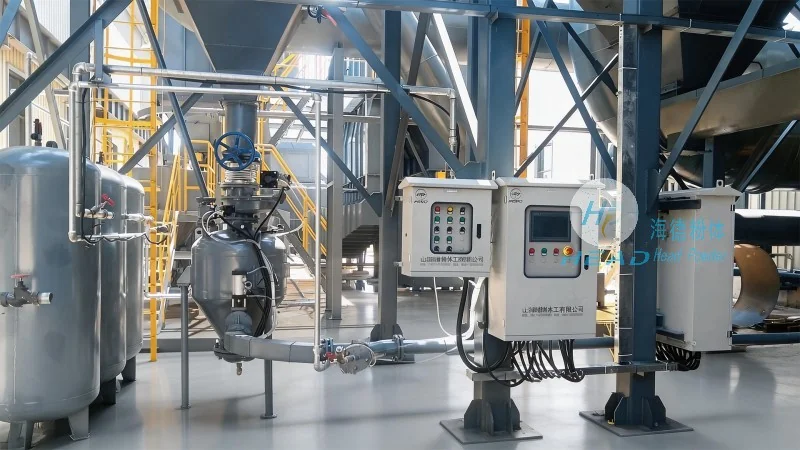
- Feeder or Hopper: This component is responsible for feeding the stone aggregate into the system at a controlled rate. The design of the feeder, such as a rotary valve or a screw feeder, ensures a consistent flow of material into the pipeline.
- Conveying Pipeline: The pipeline is typically made of durable materials like stainless steel or galvanized steel to withstand the abrasive nature of stone aggregates. The pipeline is usually straight with gradual bends to minimize pressure loss and prevent material deposition.
- Separation or Cyclone Unit: This component is used to separate the material from the air stream at the discharge end. As the air and material mixture enters the cyclone, the centrifugal force causes the heavier stone aggregates to be separated and collected in a hopper, while the air is discharged through a vent.
- Fan or Blower: The fan or blower provides the necessary air pressure or vacuum to move the material through the pipeline. The selection of the fan depends on the material characteristics, pipeline length, and desired conveying capacity.
- Control System: Modern air-powered conveyors are equipped with control systems that monitor and adjust the air flow, pressure, and material feed rate. This ensures optimal performance and prevents overloading or underloading of the system.
Working Scene Characteristics and Applications
The working scene characteristics of air-powered stone aggregate conveyors are tailored to meet the specific requirements of various industrial environments. These systems are widely used in:
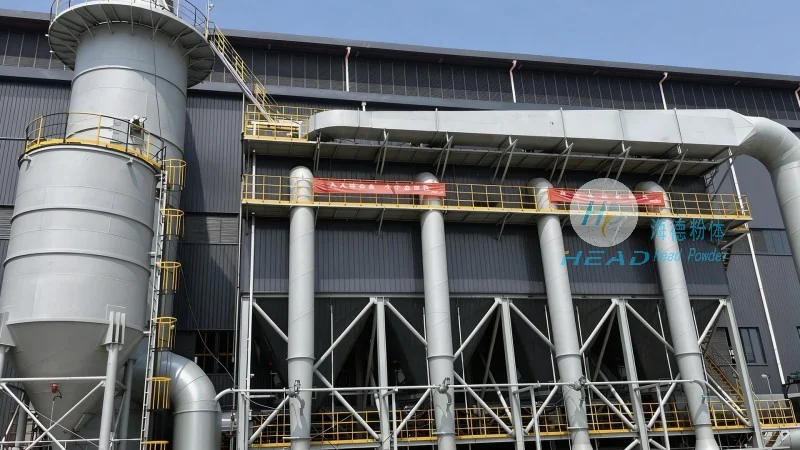
- Construction Sites: At construction sites, air-powered conveyors are used to transport stone aggregates from storage piles to concrete mixing plants or on-site batching facilities. The flexibility of the system allows for easy reconfiguration to accommodate changing construction layouts, and the enclosed pipeline design helps to minimize dust and debris on the site.
- Quarries and Mining Operations: In quarries, these conveyors are used to transport extracted stone aggregates from the mining area to processing facilities or storage areas. The robust design of the system can handle the high abrasiveness and heavy loads typical of quarry operations, ensuring long-term reliability.
- Concrete and Asphalt Production Plants: In concrete and asphalt production plants, air-powered conveyors are used to transport raw materials such as sand, gravel, and stone aggregates from storage silos to the mixing units. The continuous and dust-free operation of the system improves the quality of the final products and reduces maintenance costs.
- Recycling and Waste Management Facilities: These systems are also applied in recycling facilities to transport recycled aggregates from sorting and processing areas to storage or reprocessing areas. The ability to handle a wide range of materials, including recycled stone aggregates, makes the system versatile for waste management applications.
Advantages of Air-Powered Stone Aggregate Conveyors
Compared to traditional belt conveyors or bucket elevators, air-powered stone aggregate conveyors offer several advantages that make them a preferred choice in many industrial applications:




