Phenolic powder, also known as Bakelite powder, is a thermosetting plastic powder widely utilized across various industrial sectors. The efficient transportation of this material from source to destination is critical for maintaining operational efficiency. Pneumatic conveying systems provide an effective solution for handling phenolic powder, ensuring safe and reliable material transfer. This article delves into the operation process and working principle of phenolic powder pneumatic conveying, detailing the key components, operational steps, and the underlying technology that enables smooth material movement.
Introduction to Phenolic Powder Pneumatic Conveying
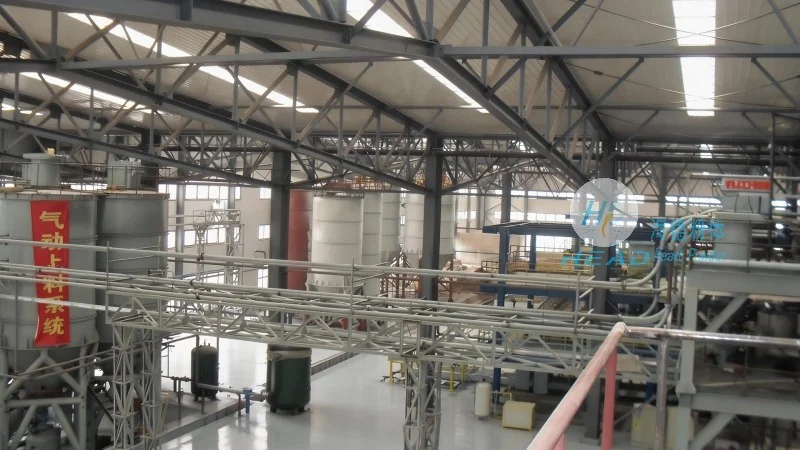
Phenolic powder pneumatic conveying involves transporting bulk materials using a combination of air and pressure or vacuum. The system typically comprises several core components: a hopper for material storage, a conveyor line for transport, a dust collector for air purification, and a control system for operation. These elements work in unison to facilitate the safe and efficient movement of phenolic powder. The technology is especially suited for materials with high dust content or those prone to caking, offering a solution where traditional handling methods may fall short.
Key Components of the Pneumatic Conveying System
The effectiveness of a phenolic powder pneumatic conveying system hinges on the proper integration of its components. The primary components include:
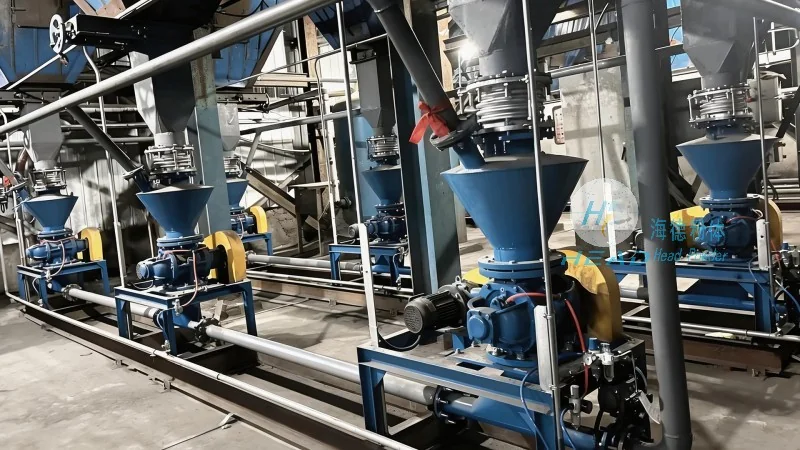
1. Hopper: The hopper serves as the initial storage container for phenolic powder before it enters the conveying system. It is designed to hold sufficient material to ensure continuous operation. The hopper incorporates a feeding mechanism—such as a rotary valve or screw feeder—that regulates the flow of powder into the conveyor line.
2. Conveyor Line: The conveyor line acts as the main pathway for material transport. It can operate under positive pressure (air forced through the line) or negative pressure (air drawn out from the line). The line is typically constructed from materials resistant to phenolic powder's chemical properties, such as stainless steel or specialized coatings.
3. Dust Collector: A dust collector is essential for maintaining air quality and preventing dust emissions. It captures any escaped powder particles and returns them to the hopper, ensuring minimal environmental impact and compliance with safety regulations.
4. Control System: The control system manages the entire conveying process. It includes sensors and controllers that monitor pressure, flow rate, and other parameters, ensuring the system operates within safe and efficient limits. The system can be automated for remote monitoring and adjustment.
Working Principle of Phenolic Powder Pneumatic Conveying
The working principle relies on air movement through the conveyor line. In a positive pressure system, compressed air is introduced into the hopper, creating a pressure differential that forces powder into the line. The air then carries the powder particles to the destination. In a negative pressure system, a vacuum is created at the receiving end, drawing the powder-air mixture through the line. Air acts as a carrier, transporting powder particles while preserving material integrity.
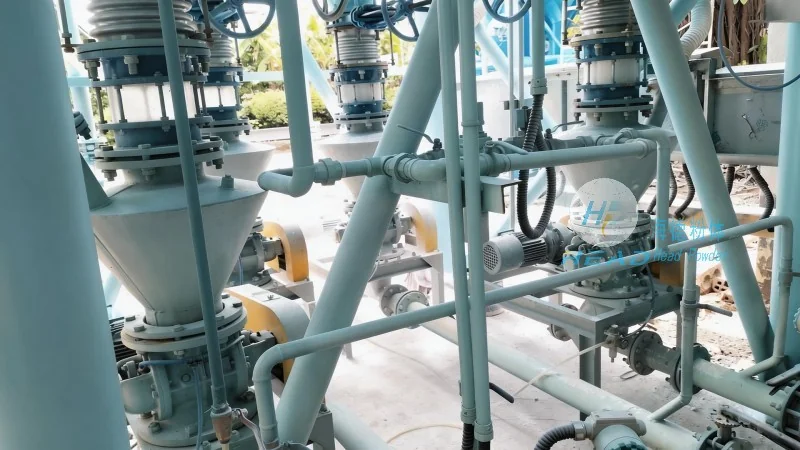
Efficient conveying depends on balancing air velocity and powder concentration. If air velocity is too low, powder may settle and cause blockages; if too high, the powder may be over-diluted, increasing energy use and reducing efficiency. The optimal air velocity and powder concentration vary based on phenolic powder characteristics—such as particle size, density, and flowability.
Operation Process of Phenolic Powder Pneumatic Conveying
The operation process involves several steps, each carefully controlled for smooth material transfer:
1. Material Loading: Phenolic powder is loaded into the hopper. The hopper is sized to avoid frequent refilling, and the feeding mechanism controls powder flow rate into the conveyor line.
2. Air Supply: Compressed air is supplied to the system. In a positive pressure system, air is introduced into the hopper to create pressure that forces powder into the conveyor line. Air pressure is regulated to prevent excessive pressure drops or blockages.
3. Powder Conveying: Powder is transported through the conveyor line. Air velocity and pressure are maintained at optimal levels to ensure efficient transport. The line may include bends or directional changes, designed to minimize pressure losses and prevent material accumulation.
4. Material Discharge: Powder is discharged at the receiving end. The receiving hopper or container collects the material, and a discharge mechanism—such as a rotary valve or gate valve—controls material flow out of the system.
5. Dust Collection: Any escaped powder particles are captured by the dust collector. The collected powder is returned to the hopper, ensuring no material loss and maintaining system efficiency.
6. System Monitoring and Control: The control system continuously monitors pressure, flow rate, and other parameters. Deviations from optimal settings are automatically detected and corrected, ensuring peak operational efficiency.
Advantages of Phenolic Powder Pneumatic Conveying
Phenolic powder pneumatic conveying offers several advantages over traditional methods:
1. Efficiency: Enables continuous, high-volume material transfer, reducing manual handling time and labor.
2. Safety: The enclosed system minimizes dust exposure and other hazards associated with powder handling.
3. Flexibility: Easily adapted to changing production requirements, such as adjustments in flow rate or destination.
4. Low Maintenance: Components are designed for durability and minimal upkeep, reducing downtime and operational costs.
5. Environmental Compliance: The dust collector ensures adherence to environmental regulations, minimizing environmental impact.
Conclusion
Phenolic powder pneumatic conveying is a highly effective method for bulk material transport. The system integrates advanced technology with careful design to ensure efficient, safe, and reliable material transfer. By understanding the operation process and working principle, industrial operators can optimize material handling and enhance overall productivity. The technology is particularly valuable for phenolic powder, a widely used material in industries including automotive, electrical, and construction, where reliable material movement is essential for operational success.




