Iron ore fines pneumatic conveying is a critical technology in the mineral processing and material handling industries, enabling the efficient transport of fine iron ore particles from one location to another without the need for mechanical components like belts or buckets. This method is widely adopted in steel mills, mining operations, and industrial facilities due to its flexibility, reliability, and ability to handle abrasive materials. The following content provides a detailed overview of the operation process and working principles of iron ore fines pneumatic conveying systems, along with insights into the technical advantages and practical applications of this advanced material transport solution.
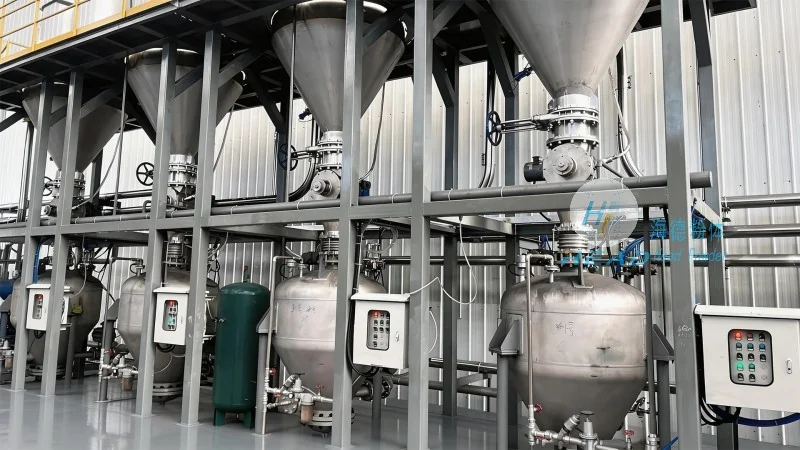
Overview of the Iron Ore Fines Pneumatic Conveying System
The iron ore fines pneumatic conveying system is a complex yet efficient setup designed to move fine iron ore particles through a pipeline using air or other gases. The system typically consists of several key components, including a hopper for material storage, a feeder to control the flow rate, a conveying line (pipeline), a blower or compressor to generate the necessary air pressure, and a receiver or discharge unit to collect the material at the destination. Each component plays a crucial role in ensuring the smooth and continuous operation of the system.
Step-by-Step Operation Process of Iron Ore Fines Pneumatic Conveying
The operation process of an iron ore fines pneumatic conveying system involves several sequential steps that work in harmony to transport the material. The process begins with the loading of iron ore fines into the hopper. The feeder then regulates the flow of material into the conveying line, ensuring a consistent feed rate that matches the system's capacity. Simultaneously, the blower or compressor generates a high-pressure air stream, which is introduced into the conveying line at the inlet. As the air flows through the pipeline, it carries the iron ore fines along with it, creating a slurry-like mixture that moves towards the discharge point. At the receiving end, the material is separated from the air using a cyclone or other separation equipment, and the iron ore fines are collected in the receiver. The separated air is then discharged or recirculated back into the system to maintain efficiency.
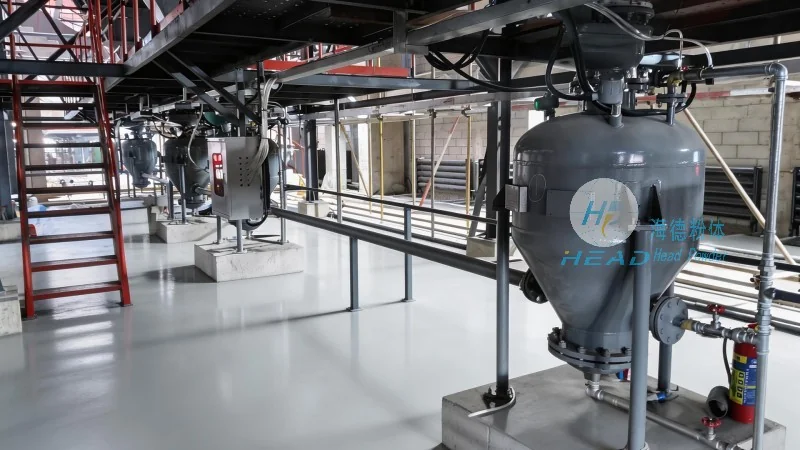
Working Principle of Iron Ore Fines Pneumatic Conveying
The working principle of iron ore fines pneumatic conveying is based on the fundamental concept of fluidization and particle suspension. When air is introduced into the conveying line at a sufficient velocity, it creates a turbulent flow that lifts and transports the iron ore fines. This process is often categorized into two main types: aspiration (or suction) conveying and pressure (or positive) conveying. In aspiration conveying, the system operates under negative pressure, drawing material from the source and moving it towards the discharge point. This method is suitable for short-distance transport and is commonly used in applications where the material needs to be collected from multiple points. In contrast, pressure conveying operates under positive pressure, where the blower or compressor pushes air and material through the pipeline. This method is ideal for longer distances and can handle higher material loads.
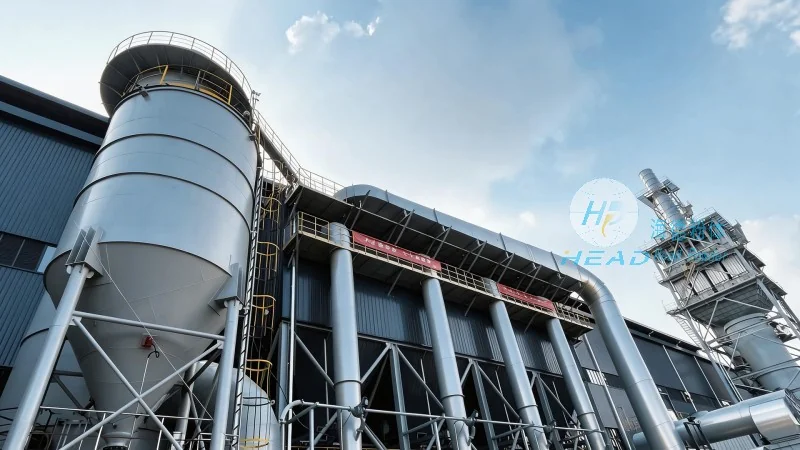
Technical Advantages of Iron Ore Fines Pneumatic Conveying
Iron ore fines pneumatic conveying offers several technical advantages that make it a preferred choice over traditional mechanical conveying methods. One of the key benefits is its ability to handle abrasive and fine materials without causing wear and tear on the system components. The absence of moving parts like belts or buckets reduces maintenance requirements and extends the lifespan of the equipment. Additionally, the system is highly flexible, allowing for changes in material flow rates and pipeline configurations without significant modifications. Environmental benefits are also significant, as pneumatic conveying systems can be designed to minimize dust emissions and comply with environmental regulations. The system's efficiency in transporting fine particles also reduces material loss and improves overall material recovery rates.
Application Scenarios and Practical Considerations
The iron ore fines pneumatic conveying system is widely used in various industrial applications, including the transportation of iron ore from mines to processing plants, the movement of finished products from storage to packaging units, and the transfer of raw materials within steel manufacturing facilities. When implementing such a system, several practical considerations must be taken into account. These include the particle size distribution of the iron ore fines, as finer particles require higher air velocities for effective transport. The pipeline diameter and length also impact the system's performance, as longer or larger pipelines may require additional blower capacity or pressure boosters. Material moisture content is another critical factor, as high moisture levels can lead to clogging or increased air consumption. Proper system design and maintenance are essential to ensure optimal performance and minimize downtime.




